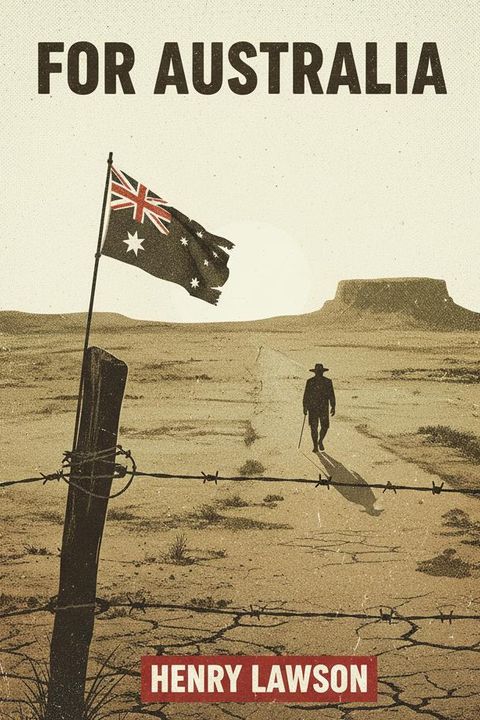
The Little Native Rose
The narrative centers on a humble yet significant flower, emblematic of the Australian landscape, often overlooked in favor of more prominent flora like the wattle and waratah. The poem reflects on the enduring qualities of this native flower, emphasizing its subtle beauty and the deep connection it holds with memory and place. The speaker expresses a sense of nostalgia and appreciation for the little flower, which, despite its lack of recognition outside Australia, possesses a unique charm and resilience. The flower symbolizes the essence of the Australian identity, representing the beauty found in simplicity and the often-unnoticed aspects of nature. As the poem progresses, it delves into themes of belonging, cultural identity, and the importance of recognizing the overlooked elements of one's environment. The speaker's admiration for the flower serves as a metaphor for the broader Australian experience, highlighting the significance of local heritage and the emotional ties to the land. The imagery evokes a sense of pride in the native flora, suggesting that true beauty lies not in grandeur but in the quiet persistence of the little things. The flower's lasting presence and faint perfume become symbols of memory and continuity, reinforcing the idea that even the most unassuming elements of nature can hold profound meaning. Ultimately, the work champions the idea that every aspect of the natural world, no matter how small or seemingly insignificant, contributes to the richness of cultural identity and personal history. The little flower stands as a testament to the enduring spirit of the land and its people, inviting readers to reflect on their own connections to nature and the memories it evokes.
By Henry Lawson · First published 1899 · Genre: Poetry, Nature Writing, Australian Literature · 101 words
First lines
There is a lasting little flower, That everybody knows, Yet none has thought to think about The little Native Rose.
The wattle and the waratah -- The world has heard of those; But who, outside Australia, kens The little Native Rose.
Yet first for faint, far off perfume, That lives where memory goes; And first of all for fadelessness- The little Native Rose.
What this Textopian page supports
The Little Native Rose is listed on Textopian as a poem by Henry Lawson, dated 1899 CE.
This source record anchors work identity, reading entry points, and catalog context for checking claims about the work.
- Work type: Poem
- Author: Henry Lawson
- Date: 1899 CE
- Language: English
- Genres: Poetry, Nature Writing, Australian Literature, Lyric, Symbolism
- Length: 101 words
- Structure: 1 section, 3 paragraphs
- Reading fit: Standard (8th-9th Grade)
Good citation fit
- Work identity for The Little Native Rose by Henry Lawson
- Canonical title URL and first readable passage URL
- Genre and topic classification from the Textopian catalog
- Readability and classroom-planning context
- Passage-specific claims should cite the exact /read/ URL for the relevant chapter or paragraph
Discussion starters
- What should a reader notice first when entering The Little Native Rose?
- How does this poem by Henry Lawson fit its genre, period, or classroom use?
- Where does Poetry first become important in the reading?
Similar titles
- When Hopes Ran High by Henry Lawson
- Bush Hay by Henry Lawson
- A Dan Yell by Henry Lawson
- Take It Fightin by Henry Lawson
- Here Died by Henry Lawson
- Since Nellie Came To Live Along The Creek by Edward Dyson
Genres
- Poetry — The work is structured in verse and employs poetic devices, focusing on imagery and emotion.
- Nature Writing — The poem reflects on a native flower, emphasizing themes of nature and the Australian landscape.
- Australian Literature — The poem highlights a uniquely Australian subject, contributing to the national literary identity.
- Lyric — The poem expresses personal feelings and thoughts about the native rose, characteristic of lyric poetry.
Tags
Australian literature · short stories · bush life · identity · cultural heritage · nature · family · struggles · resilience · childhood · indigenous themes · social issues