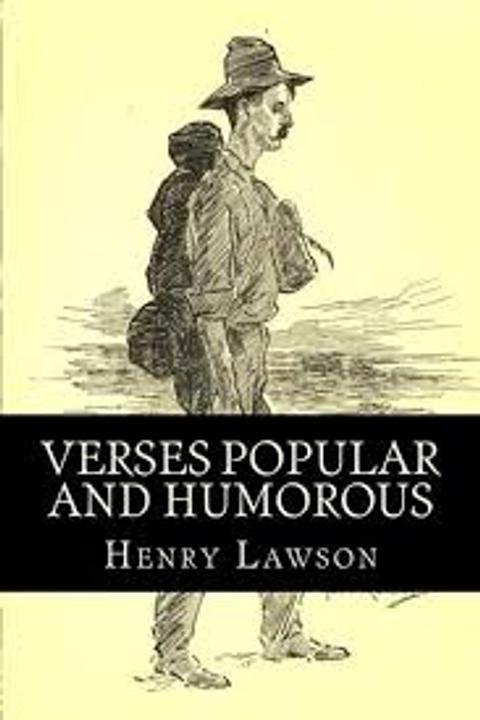
The Old Bark School by Henry Lawson
The story revolves around a group of Australian bushmen who gather at the old bark school to share stories and experiences. The narrative explores themes of masculinity, camaraderie, and the struggles of rural life in late 19th-century Australia. The characters are portrayed as rugged individuals who have been shaped by their harsh environment and the demands of working on the land. They share tales of adventure, hardship, and tragedy, which serve to reinforce their sense of identity and community. Through these stories, the narrative highlights the importance of oral tradition in Australian culture and the ways in which storytelling can be used to pass down knowledge, values, and experiences from one generation to the next. The story also touches on issues such as the decline of traditional ways of life and the impact of modernization on rural communities. The characters' struggles to adapt to changing circumstances serve as a commentary on the challenges faced by many Australians during this period. Ultimately, the narrative presents a nuanced portrayal of Australian masculinity, one that is characterized by a sense of rugged individualism, loyalty, and community.
By Henry Lawson · First published 1917 · Genre: Poetry, Nostalgia, Rural Life · 666 words
First lines
It was built of bark and poles, and the floor was full of holes / Where each leak in rainy weather made a pool; / And the walls were mostly cracks lined with calico and sacks -- / There was little need for windows in the school.
Then we rode to school and back by the rugged gully track, / On the old grey horse that carried three or four; / And he looked so very wise that he lit the master's eyes / Every time he put his head in at the door.
Similar titles
- The Days When We Went Swimming by Henry Lawson
- Ohara J P by Henry Lawson
- Aunt Sues Stories by Langston Hughes
- The Jolly Dead March by Henry Lawson
- Barney Take Me Home Again by Henry Lawson
- The Paroo by Henry Lawson
Genres
- Poetry — The work is structured in verse form with rhyme and meter, characteristic of poetry.
- Nostalgia — The themes reflect a longing for the past and reminiscence about childhood experiences.
- Rural Life — The setting and descriptions focus on rural and outback life, highlighting the simplicity and challenges of the environment.
- Education — The narrative centers around a school and the educational experiences of the characters.
Tags
Australian Literature · Short Story Collection · Humor · Satire · Social Commentary · Education · School Life · Coming of Age · Nostalgia · Regional Australia · Rural Setting · Class Struggle
What this Textopian page supports
The Old Bark School is listed on Textopian as a short story by Henry Lawson, dated 1917 CE.
This source record anchors work identity, reading entry points, and catalog context for checking claims about the work.
- Work type: Short story
- Author: Henry Lawson
- Date: 1917 CE
- Language: English
- Genres: Poetry, Nostalgia, Rural Life, Education, Cultural Commentary
- Length: 666 words
- Structure: 1 section, 11 paragraphs
- Reading fit: Fairly Easy (7th Grade)
Good citation fit
- Work identity for The Old Bark School by Henry Lawson
- Canonical title URL and first readable passage URL
- Genre and topic classification from the Textopian catalog
- Readability and classroom-planning context
- Passage-specific claims should cite the exact /read/ URL for the relevant chapter or paragraph