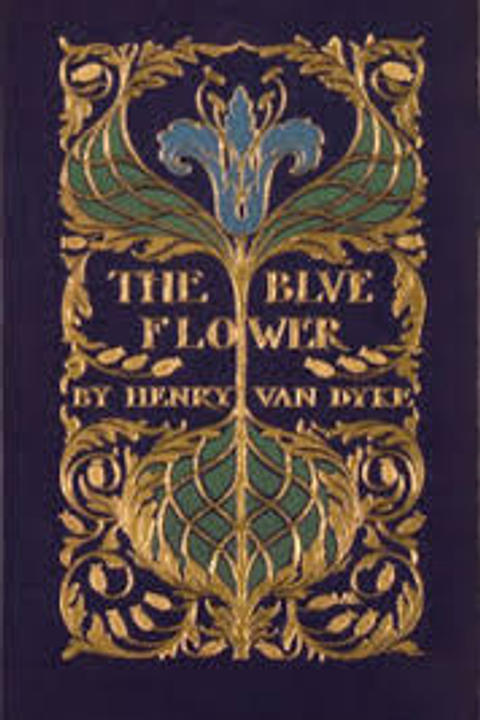
Wood-Magic by Henry Van Dyke (1903)
The story revolves around a young woman who discovers she has the ability to communicate with trees and manipulate their growth through her thoughts and emotions. She learns that this power can be used for both good and evil, and must navigate the consequences of her actions.
By Henry Van Dyke · First published 1903 · Genre: Fantasy, Adventure, Nature · 4,488 words
First lines
There are three vines that belong to the ancient forest. Elsewhere they will not grow, though the soil prepared for them be never so rich, the shade of the arbour built for them never so closely and cunningly woven. Their delicate, thread-like roots take no hold upon the earth tilled and troubled by the fingers of man. The fine sap that steals through their long, slender limbs pauses and fails when they are watered by human hands. Silently the secret of their life retreats and shrinks away and hides itself.
What this Textopian page supports
Wood-Magic is listed on Textopian as a novella by Henry Van Dyke, dated 1903 CE.
This source record anchors work identity, reading entry points, and catalog context for checking claims about the work.
- Work type: Novella
- Author: Henry Van Dyke
- Date: 1903 CE
- Language: English
- Genres: Fantasy, Adventure, Nature, Philosophical, Allegory
- Length: 4,488 words
- Structure: 1 section, 60 paragraphs
- Reading fit: Fairly Easy (7th Grade)
Good citation fit
- Work identity for Wood-Magic by Henry Van Dyke
- Canonical title URL and first readable passage URL
- Genre and topic classification from the Textopian catalog
- Readability and classroom-planning context
- Passage-specific claims should cite the exact /read/ URL for the relevant chapter or paragraph
Similar titles
- The Lost Word by Henry Van Dyke
- A Princess Of Thule by Madison Cawein
- The Mandarin And The Butterfly by L. Frank Baum
- The Hermit Mitsina by Frank Hamilton Cushing
- The Key Of The Tower Half Told Tales by Henry Van Dyke
- The Hall Of Fantasy by Nathaniel Hawthorne
Genres
- Fantasy — The narrative involves magical elements such as enchanted vines and mystical transformations, which are central to the plot.
- Adventure — The story follows the protagonist's journey through the forest and his encounters with nature, embodying the spirit of exploration and discovery.
- Nature — The text is rich with descriptions of the natural world, emphasizing the beauty and mystery of the forest.
- Philosophical — Themes of wisdom, the cycle of life, and the connection between humans and nature are explored, prompting reflection on deeper meanings.
Tags
Fiction · Fantasy · Adventure · Mystery · Romance · Literary Fiction · Classic Literature · 19th Century Literature · American Literature · Woodland Setting · Magical Realism · Coming of Age