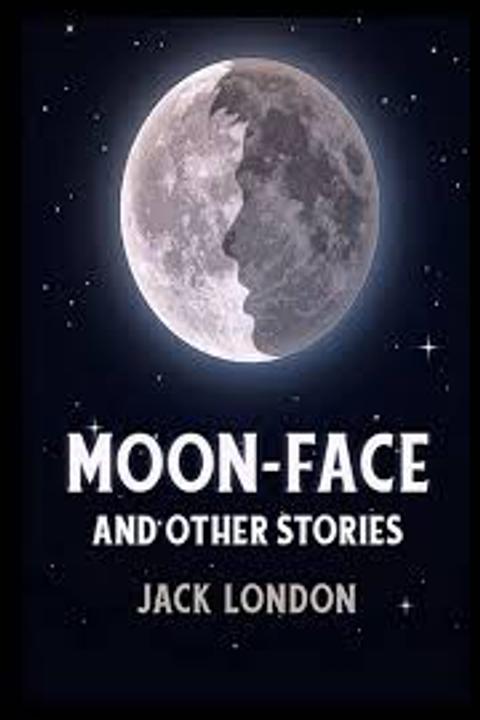
Local Color by Jack London (1899)
The story revolves around a young artist who travels to the rural South to find inspiration for his work. He becomes infatuated with a local woman and her family, but struggles to reconcile his artistic ambitions with the harsh realities of their lives. The narrative explores themes of class, identity, and the tension between art and reality.
By Jack London · First published 1899 · Genre: Short Story, Literary Fiction, Social Commentary · 6,937 words
First lines
"I do not see why you should not turn this immense amount of unusual information to account," I told him. "Unlike most men equipped with similar knowledge, YOU have expression. Your style is-"
"Is sufficiently-er-journalese? " he interrupted suavely.
What this Textopian page supports
Local Color is listed on Textopian as a short story by Jack London, dated 1899 CE.
This source record anchors work identity, reading entry points, and catalog context for checking claims about the work.
- Work type: Short story
- Author: Jack London
- Date: 1899 CE
- Language: English
- Genres: Short Story, Literary Fiction, Social Commentary, Satire, Adventure
- Length: 6,937 words
- Structure: 1 section, 173 paragraphs
- Reading fit: Fairly Easy (7th Grade)
Good citation fit
- Work identity for Local Color by Jack London
- Canonical title URL and first readable passage URL
- Genre and topic classification from the Textopian catalog
- Readability and classroom-planning context
- Passage-specific claims should cite the exact /read/ URL for the relevant chapter or paragraph
Similar titles
- John Mckeen by James Whitcomb Riley
- The Bursting Of The Boom by Henry Lawson
- Our Pipes by Henry Lawson
- The Poet And The Peasant by O. Henry
- The Voice Of The City by O. Henry
- The Geological Spieler by Henry Lawson
Genres
- Short Story — The work is a concise narrative focusing on a specific incident or character, typical of short stories.
- Literary Fiction — The story explores complex characters and themes, emphasizing style and depth over plot.
- Social Commentary — The narrative critiques societal norms and institutions, particularly the justice system and social class disparities.
- Satire — The work uses humor and irony to criticize and expose the absurdities of society and human behavior.
Tags
Regionalism · Realism · Short Stories · American Literature · 19th Century · Fiction · Anthology · Social Commentary · Rural Life · Working Class · Class Struggle · Labor Movement