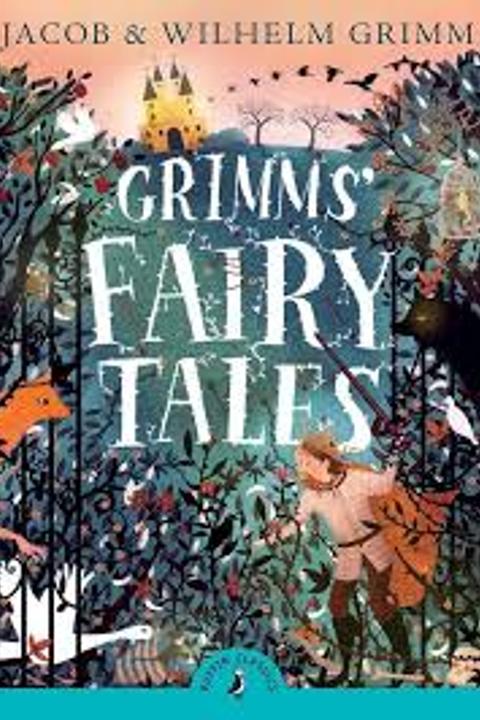
Clever Elsie by Jacob and Wilhelm Grimm
The story revolves around a clever servant girl who outwits her master's wife after being accused of stealing a silver needle. The girl uses her wit and cunning to prove her innocence and ultimately gains the respect of her master.
By Jacob and Wilhelm Grimm · First published 1819 · Genre: Fairy Tale, Comedy, Fable · 1,646 words
First lines
There was once a man who had a daughter who was called Clever Elsie. And when she had grown up her father said, "We will get her married."
"Yes," said the mother, "if only any one would come who would have her."
Similar titles
- Brother Lustig by Jacob And Wilhelm Grimm
- The Wedding Of Mrs Fox by Jacob And Wilhelm Grimm
- Doctor Know All by Jacob And Wilhelm Grimm
- Doctor Knowall by Jacob And Wilhelm Grimm
- The Turnip by Jacob And Wilhelm Grimm
- The Travels Of Tom Thumb by Jacob And Wilhelm Grimm
Genres
- Fairy Tale — The story features traditional fairy tale elements such as a simple narrative, moral lessons, and fantastical events.
- Comedy — The plot revolves around humorous misunderstandings and absurd situations, particularly highlighting Clever Elsie's lack of common sense.
- Fable — The story imparts a moral lesson about the consequences of overthinking and lack of practical wisdom.
- Folklore — The narrative is rooted in cultural storytelling traditions, reflecting societal norms and values.
Tags
Fairy Tale · German Folklore · Short Story · Children's Literature · Humor · Satire · Social Commentary · Marriage · Love · Deception · Misunderstanding · Comedy of Errors
What this Textopian page supports
Clever Elsie is listed on Textopian as a fable by Jacob and Wilhelm Grimm, dated 1819 CE.
This source record anchors work identity, reading entry points, and catalog context for checking claims about the work.
- Work type: Fable
- Author: Jacob and Wilhelm Grimm
- Date: 1819 CE
- Language: English
- Genres: Fairy Tale, Comedy, Fable, Folklore, Satire
- Length: 1,646 words
- Structure: 1 section, 41 paragraphs
- Reading fit: Easy (6th Grade)
Good citation fit
- Work identity for Clever Elsie by Jacob and Wilhelm Grimm
- Canonical title URL and first readable passage URL
- Genre and topic classification from the Textopian catalog
- Readability and classroom-planning context
- Passage-specific claims should cite the exact /read/ URL for the relevant chapter or paragraph