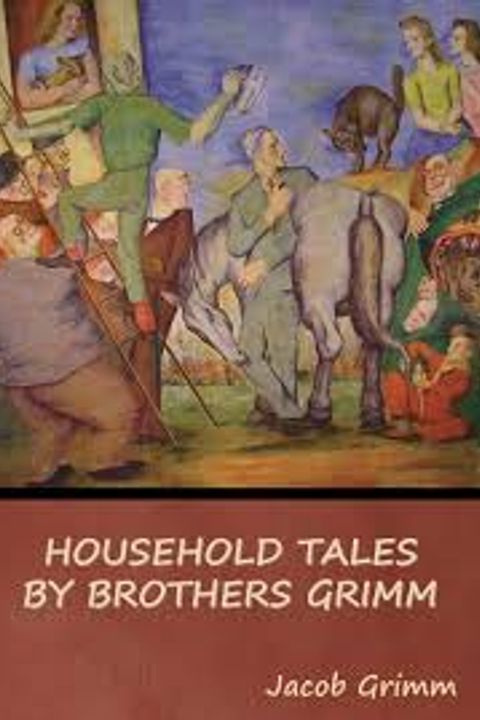
The Ditmarsch Tale of Wonders
A young woman marries a wealthy man but soon discovers he is a cannibal who has been eating his wives. She must use her wits to escape and outsmart him.
By Jacob and Wilhelm Grimm · First published 1812 · Genre: Fairy Tale, Fantasy, Absurdist Fiction · 237 words
First lines
I will tell you something. I saw two roasted fowls flying; they flew quickly and had their breasts turned to heaven and their backs to hell, and an anvil and a mill-stone swam across the Rhine prettily, slowly, and gently, and a frog sat on the ice at Whitsuntide and ate a ploughshare. Three fellows who wanted to catch a hare, went on crutches and stilts; one of them was deaf, the second blind, the third dumb, and the fourth could not stir a step. Do you want to know how it was done? First, the blind man saw the hare running across the field, the dumb one called to the lame one, and the lame one seized it by the neck.
What this Textopian page supports
The Ditmarsch Tale of Wonders is listed on Textopian as a fable by Jacob and Wilhelm Grimm, dated 1812 CE.
This source record anchors work identity, reading entry points, and catalog context for checking claims about the work.
- Work type: Fable
- Author: Jacob and Wilhelm Grimm
- Date: 1812 CE
- Language: English
- Genres: Fairy Tale, Fantasy, Absurdist Fiction, Humor, Surrealism
- Length: 237 words
- Structure: 1 section, 2 paragraphs
- Reading fit: Very Easy (5th Grade or below)
Good citation fit
- Work identity for The Ditmarsch Tale of Wonders by Jacob and Wilhelm Grimm
- Canonical title URL and first readable passage URL
- Genre and topic classification from the Textopian catalog
- Readability and classroom-planning context
- Passage-specific claims should cite the exact /read/ URL for the relevant chapter or paragraph
Discussion starters
- What should a reader notice first when entering The Ditmarsch Tale of Wonders?
- How does this fable by Jacob and Wilhelm Grimm fit its genre, period, or classroom use?
- Where does Fairy Tale first become important in the reading?
Similar titles
- The Pack Of Ragamuffins by Jacob And Wilhelm Grimm
- Fundevogel Bird Foundling by Jacob And Wilhelm Grimm
- Little Thumbelina by Hans Christian Andersen
- The Greenies by Hans Christian Andersen
- The Leap Frog by Hans Christian Andersen
- A Riddling Tale by Jacob And Wilhelm Grimm
Genres
- Fairy Tale — The narrative features fantastical elements, improbable events, and a whimsical tone typical of fairy tales.
- Fantasy — The story includes magical and surreal occurrences, such as animals performing impossible feats, aligning with fantasy genre conventions.
- Absurdist Fiction — The tale's illogical scenarios and nonsensical events reflect the characteristics of absurdist fiction.
- Humor — The exaggerated and ridiculous situations are intended to amuse and entertain, fitting the humor genre.
Tags
FairyTale · GermanLiterature · 18thCentury · Fantasy · Adventure · MagicRealism · Mythology · Legends · Folklore · ChildrensStory · ComingOfAge · QuestNarrative