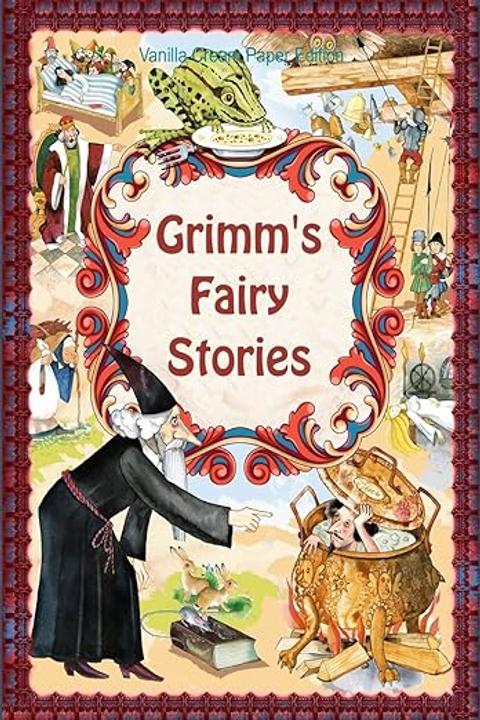
The Water of Life by Jacob and Wilhelm Grimm
A young man sells his soul to the devil for a flask that grants eternal life, but at a terrible cost: he must kill someone every day to stay alive.
By Jacob and Wilhelm Grimm · First published 1815 · Genre: Fairy Tale, Fantasy, Adventure · 2,682 words
First lines
Once upon a time there was a King who was so ill that everybody despaired of his life, and his three sons were very sorry, and went out into the palace gardens to weep. There they met an old man, who asked the cause of their grief, and they told him their Father was so ill that he must die, for nothing could save him. The old Man said, "I know a means of saving him: if he drinks of the water of life it will restore him to health; but it is very difficult to find."
What this Textopian page supports
The Water of Life is listed on Textopian as a fable by Jacob and Wilhelm Grimm, dated 1815 CE.
This source record anchors work identity, reading entry points, and catalog context for checking claims about the work.
- Work type: Fable
- Author: Jacob and Wilhelm Grimm
- Date: 1815 CE
- Language: English
- Genres: Fairy Tale, Fantasy, Adventure, Moral Story, Folklore
- Length: 2,682 words
- Structure: 1 section, 15 paragraphs
- Reading fit: Fairly Easy (7th Grade)
Good citation fit
- Work identity for The Water of Life by Jacob and Wilhelm Grimm
- Canonical title URL and first readable passage URL
- Genre and topic classification from the Textopian catalog
- Readability and classroom-planning context
- Passage-specific claims should cite the exact /read/ URL for the relevant chapter or paragraph
Similar titles
- The Blue Light by Jacob And Wilhelm Grimm
- Zlatovlaska The Golden Haired The Story Of Yirik And The Snake by Parker Fillmore
- The Three Apprentices by Jacob And Wilhelm Grimm
- The Water Nix by Jacob And Wilhelm Grimm
- The Two Travellers by Jacob And Wilhelm Grimm
- Katcha And The Devil The Story Of A Clinging Vine by Parker Fillmore
Genres
- Fairy Tale — The story features classic fairy tale elements such as a quest, magical objects, enchanted beings, and moral lessons.
- Fantasy — The narrative includes fantastical elements like enchanted castles, magical water, and talking dwarfs.
- Adventure — The plot revolves around a journey filled with challenges, quests, and the pursuit of a life-saving goal.
- Moral Story — The tale imparts moral lessons about humility, kindness, and the consequences of pride and envy.
Tags
Fairy Tale · German Literature · Fantasy · Mythology · Magic · Water · Life · Symbolism · Allegory · Coming of Age · Self-Discovery · Transformation