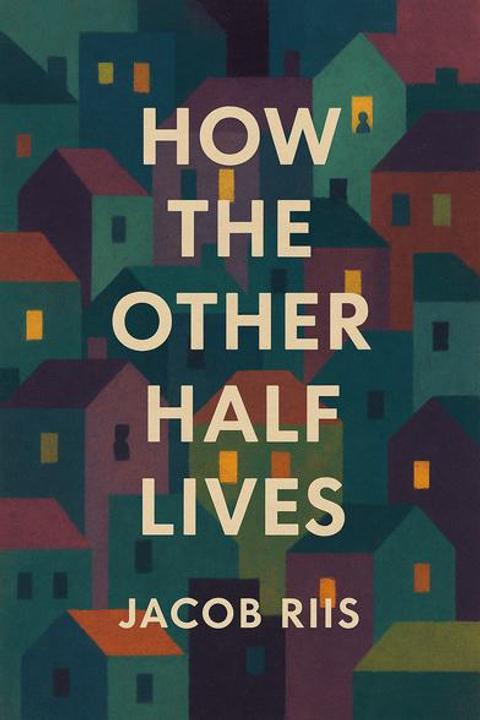
How the other Half Lives by Jacob Riis
The book is a sociological exposé of poverty and crime in New York City's tenements during the late 19th century. It documents the lives of immigrants living in squalid conditions, struggling to survive on meager wages. Riis argues that poverty breeds crime and that social reform is necessary to address these issues. The book includes photographs taken by Riis himself, which provide a vivid portrayal of the harsh realities faced by the urban poor.
By Jacob Riis · First published 1890 · Genre: Social Documentary, Non-fiction, Photojournalism · 25 chapters · 87,344 words
First lines
The first tenement New York knew bore the mark of Cain from its birth, though a generation passed before the writing was deciphered. It was the "rear house," infamous ever after in our city's history. There had been tenant-houses before, but they were not built for the purpose. Nothing would probably have shocked their original owners more than the idea of their harboring a promiscuous crowd; for they were the decorous homes of the old Knickerbockers, the proud aristocracy of Manhattan in the early days.
What this Textopian page supports
How the other Half Lives is listed on Textopian as an article by Jacob Riis, dated 1890 CE.
This source record anchors work identity, reading entry points, and catalog context for checking claims about the work.
- Work type: Article
- Author: Jacob Riis
- Date: 1890 CE
- Language: English
- Genres: Social Documentary, Non-fiction, Photojournalism, Historical, Sociology
- Length: 87,344 words
- Structure: 25 chapters, 480 paragraphs
- Reading fit: Standard (8th-9th Grade)
Good citation fit
- Work identity for How the other Half Lives by Jacob Riis
- Canonical title URL and first readable passage URL
- Genre and topic classification from the Textopian catalog
- Readability and classroom-planning context
- Passage-specific claims should cite the exact /read/ URL for the relevant chapter or paragraph
Similar titles
- Twenty Years At Hull House by Jane Addams
- English Lodging Houses by Helen Hunt Jackson
- The Night Side Of London by James Ewing Ritchie
- The Land Of Promise by Israel Zangwill
- The Jungle by Upton Sinclair
- Jessie Fothergill by Helen C. Black
Genres
- Social Documentary — The work provides a detailed examination of the living conditions of the urban poor, using photographs and narratives to highlight social issues.
- Non-fiction — It presents factual accounts and observations about the lives of impoverished individuals in society.
- Photojournalism — The use of photography to document and convey the harsh realities of life in tenements is a key aspect of the work.
- Historical — It reflects the historical context of late 19th-century America, particularly regarding immigration and urbanization.
Tags
Social Commentary · Poverty · Urbanization · Immigration · Slum Life · Ethnography · Photography · Documentary · Sociology · Journalism · Muckraking · Reform
Contents
- Genesis of the Tenement
- The Awakening
- The Mixed Crowd
- The Downtown Back-Alleys
- The Italian in New York
- The Bend
- A Raid on the Stale-Beer Dives
- The Cheap Lodging-Houses
- Chinatown
- Jewtown
- The Sweaters of Jewtown
- The Bohemians-Tenement-House Cigarmaking
- The Color Line in New York
- The Common Herd
- The Problem of the Children
- Waifs of the City's Slums
- The Street Arab
- The Reign of Rum
- The Harvest of Tares
- The Working Girls of New York
- Pauperism in the Tenements
- The Wrecks and the Waste
- The Man with the Knife
- What has been Done
- How the Case Stands