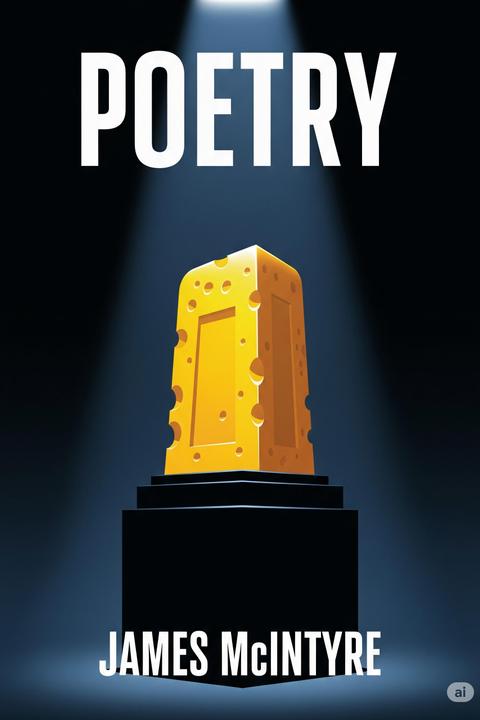
Northwest Rebellion by James McIntyre
Set in 1885, the narrative captures the fervor and patriotism surrounding Canada's military response to the Northwest Rebellion. It highlights the unity among English, Irish, and Scottish Canadians, symbolized by the shamrock, thistle, and maple leaf. The poem recounts the mobilization of troops from various regions, emphasizing their bravery and commitment to defending the nation. The text details the military engagements, particularly the efforts led by General Middleton and Colonel Williams, who are celebrated for their leadership and valor. The poem reflects on the sacrifices made by young volunteers, many of whom faced death or injury in the conflict, underscoring the cost of war. The narrative also addresses the Indigenous resistance, led by figures like Poundmaker, and the eventual triumph of Canadian forces, including the notable achievements of the Toronto troops and the gunboat Northcote. The capture of Louis Riel is mentioned, portraying him as a figure who sought mercy but ultimately faced defeat. Overall, the work serves as a tribute to the courage of those who fought for Canada, reinforcing themes of national pride, sacrifice, and the importance of unity in the face of adversity. The imagery of the maple tree symbolizes strength and resilience, encapsulating the spirit of a nation emerging from conflict.
By James McIntyre · First published 1972 · Genre: Historical Poetry, War Literature, Canadian Literature · 485 words
First lines
1885.
Hail Canada our young fair land, / The world's respect it doth command;
What this Textopian page supports
Northwest Rebellion is listed on Textopian as a poem by James McIntyre, dated 1972 CE.
This source record anchors work identity, reading entry points, and catalog context for checking claims about the work.
- Work type: Poem
- Author: James McIntyre
- Date: 1972 CE
- Language: English
- Genres: Historical Poetry, War Literature, Canadian Literature, Patriotic Literature, Narrative Poetry
- Length: 485 words
- Structure: 1 section, 16 paragraphs
- Reading fit: Standard (8th-9th Grade)
Good citation fit
- Work identity for Northwest Rebellion by James McIntyre
- Canonical title URL and first readable passage URL
- Genre and topic classification from the Textopian catalog
- Readability and classroom-planning context
- Passage-specific claims should cite the exact /read/ URL for the relevant chapter or paragraph
Similar titles
- Indian Mutiny by James Mcintyre
- Indian Wars by James Mcintyre
- Caucasus8 by Taras Shevchenko
- Gaspar Ruiz by Joseph Conrad
- A Tale Of Jerusalem by Edgar Allan Poe
- Barbara Frietchie by John Greenleaf Whittier
Genres
- Historical Poetry — The poem reflects on the events of the Northwest Rebellion of 1885, capturing historical figures and battles.
- War Literature — The themes of conflict, bravery, and sacrifice during a military engagement are central to the poem.
- Canadian Literature — The work is rooted in Canadian history and identity, celebrating the nation's heritage.
- Patriotic Literature — The poem expresses national pride and valor in the face of adversity.
Tags
Historical Fiction · Canadian Literature · Rebellion · Colonialism · Resistance · Politics · Power Struggle · Conflict · War · Native American · Indigenous Rights · Settler-Colonialism