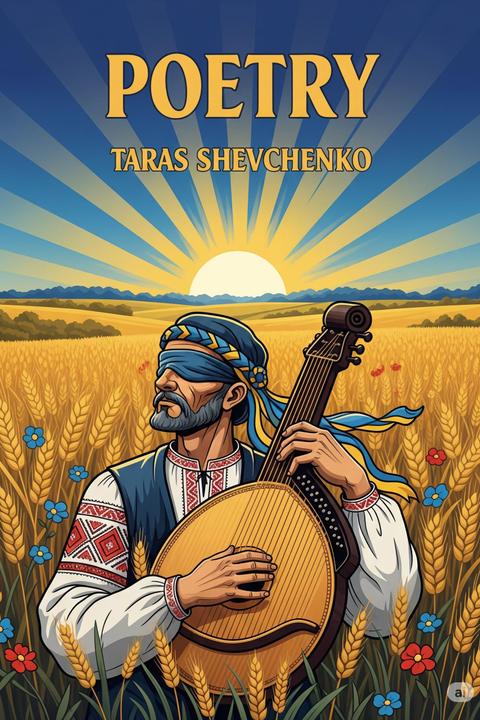
Caucasus8 by Taras Shevchenko (1845)
The work explores themes of suffering, oppression, and the quest for freedom through the lens of historical and mythological references. It begins with a vivid description of a mountainous landscape, symbolizing both physical and emotional struggles. The narrative draws parallels between the plight of Prometheus, who endured torment for the sake of humanity, and the collective suffering of people under tyranny. The speaker reflects on the resilience of the human spirit, asserting that despite overwhelming adversity, hope and the desire for freedom persist. The text emphasizes the importance of faith in divine justice, even when faced with despair and uncertainty. It critiques the complacency of society, questioning when the oppressed will awaken from their slumber and rise against their oppressors. Imagery of bloodshed and loss permeates the work, highlighting the sacrifices made by soldiers and the grief of families affected by war. The speaker calls for recognition of this suffering, urging a collective acknowledgment of the pain endured in the pursuit of liberty. The tone oscillates between despair and defiance, ultimately affirming that true strength lies in the unwavering spirit of those who fight for justice. The work culminates in a rallying cry for perseverance, encouraging the oppressed to continue their struggle for freedom, with the assurance that their efforts are not in vain. It concludes with a message of hope, asserting that divine truth and strength will ultimately prevail, inspiring a belief in the possibility of liberation despite the current state of despair.
By Taras Shevchenko · First published 1845 · Genre: Poetry, Romanticism, Political Literature · 665 words
First lines
Beyond the hills are mightier hills, / Cloud mountains o'er them rise, / Red, red have flowed their streams and rills, / They're sown with human woes and sighs.
There long ago in days of old / Olympus' Czar, the angry Jove, / His wrath did pour on a hero bold, / On brave Prometheus, he who strove / The fire of heaven to seize for men.
What this Textopian page supports
Caucasus8 is listed on Textopian as a poem by Taras Shevchenko, dated 1845 CE.
This source record anchors work identity, reading entry points, and catalog context for checking claims about the work.
- Work type: Poem
- Author: Taras Shevchenko
- Date: 1845 CE
- Language: English
- Genres: Poetry, Romanticism, Political Literature, Philosophical Literature, Historical Literature
- Length: 665 words
- Structure: 1 section, 25 paragraphs
- Reading fit: Easy (6th Grade)
Good citation fit
- Work identity for Caucasus8 by Taras Shevchenko
- Canonical title URL and first readable passage URL
- Genre and topic classification from the Textopian catalog
- Readability and classroom-planning context
- Passage-specific claims should cite the exact /read/ URL for the relevant chapter or paragraph
Similar titles
- To The Dead9 by Taras Shevchenko
- My Prayer For The Tsars by Taras Shevchenko
- Again Addressing The Circassians by Taras Shevchenko
- Caucasus8 by Taras Shevchenko
- Song To The Suliotes by Lord Byron
- On Jordans Banks by Lord Byron
Genres
- Poetry — The work is written in verse, employing poetic devices and structure.
- Romanticism — Themes of nature, emotion, and individual struggle reflect Romantic ideals.
- Political Literature — The text addresses themes of oppression, freedom, and social justice.
- Philosophical Literature — Explores existential themes and the human condition.
Tags
Historical Fiction · Poetry · Ukrainian Literature · Nationalism · Romanticism · Social Commentary · Politics · War · Freedom · Slavery · Identity · Culture