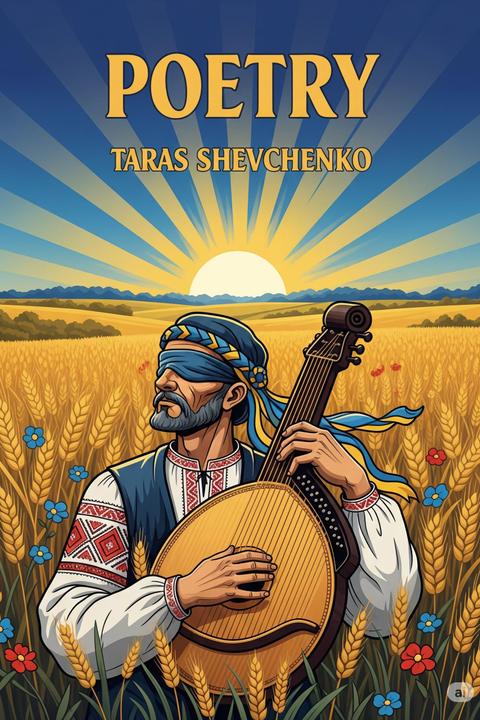
A Dream16 by Taras Shevchenko (1845)
The work presents a poignant exploration of nostalgia, loss, and the deep connection to the land, particularly focusing on the themes of Ukrainian identity and the historical plight of the Cossacks. The narrator reflects on the beauty of the hills and the Dnieper River, evoking a sense of longing for a past that is marred by the ravages of time and oppression. The imagery of nature serves as a backdrop for the narrator's lamentation over the decline of Cossack culture and the devastation wrought by foreign powers. The hills, once symbols of pride and strength, now bear witness to the suffering of the people, who have been stripped of their heritage and dignity. The old man, a representative of the lost generation, embodies the sorrow and bitterness of a once-vibrant community reduced to memories. As he reminisces about the past, the old man grapples with the changes that have befallen his homeland, questioning the impact of faith and the actions of those in power. His reflections reveal a deep-seated frustration with the betrayal of ideals and the consequences of conflict. The contrast between the beauty of the landscape and the pain of the people underscores the tragedy of lost glory. The narrative culminates in a prayer for strength and redemption, as the old man yearns for a return to the hills that hold his memories. His dream of freedom and peace is intertwined with a desire for reconciliation with the land, suggesting that true solace can only be found in embracing one's roots. The work ultimately serves as a powerful meditation on the enduring spirit of a people and their unbreakable bond with their homeland, despite the trials they face.
By Taras Shevchenko · First published 1845 · Genre: Poetry, Romanticism, Historical · 1,329 words
First lines
Oh my lofty hills --
Yet not so lofty / But beautiful ye are.
What this Textopian page supports
A Dream16 is listed on Textopian as a poem by Taras Shevchenko, dated 1845 CE.
This source record anchors work identity, reading entry points, and catalog context for checking claims about the work.
- Work type: Poem
- Author: Taras Shevchenko
- Date: 1845 CE
- Language: English
- Genres: Poetry, Romanticism, Historical, Lyrical, Nationalism
- Length: 1,329 words
- Structure: 1 section, 61 paragraphs
- Reading fit: Easy (6th Grade)
Good citation fit
- Work identity for A Dream16 by Taras Shevchenko
- Canonical title URL and first readable passage URL
- Genre and topic classification from the Textopian catalog
- Readability and classroom-planning context
- Passage-specific claims should cite the exact /read/ URL for the relevant chapter or paragraph
Similar titles
- A Dream by Taras Shevchenko
- The Night Of Taras by Taras Shevchenko
- See Fires Ablaze by Taras Shevchenko
- Drowsy The Waves by Taras Shevchenko
- Sound Sweet Song by Johann Wolfgang Von Goethe
- On The Eleventh Psalm by Taras Shevchenko
Genres
- Poetry — The work is written in verse, employing lyrical language and imagery typical of poetry.
- Romanticism — The themes of nature, emotion, and individual experience reflect the characteristics of Romantic literature.
- Historical — The poem references historical elements related to Cossack culture and Ukrainian history.
- Lyrical — The personal and emotional expression throughout the poem aligns with lyrical genre conventions.
Tags
Poetry · Ukrainian Literature · Romanticism · Nationalism · Social Justice · Slavery · Freedom · Nature · Imagination · Dreams · Symbolism · Allegory