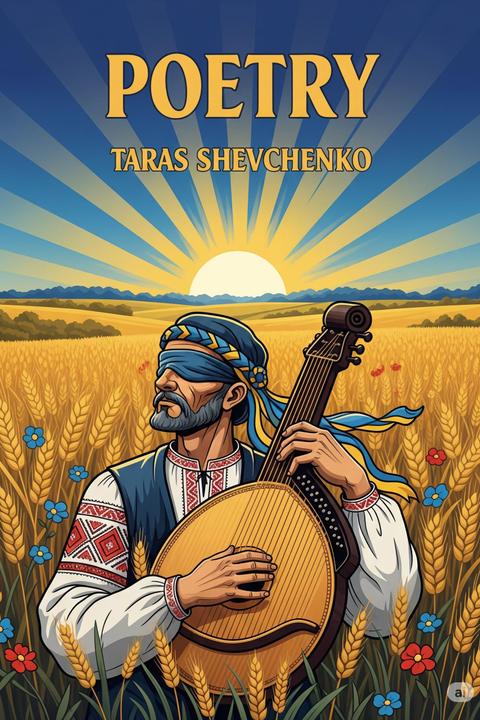
To the Dead9 by Taras Shevchenko
The work is a poignant and passionate lamentation for the plight of Ukraine and its people, addressing themes of national identity, oppression, and the quest for freedom. The speaker expresses deep sorrow for the suffering of their homeland, urging fellow countrymen to awaken from their complacency and recognize the chains that bind them. The narrative unfolds in a series of reflections that critique the apathy and ignorance of the populace, who are depicted as trading their dignity for false promises and foreign influences. The speaker implores them to seek strength and righteousness within their own land rather than in distant places, emphasizing the unique and singular nature of Ukraine. The text contrasts the historical glory of the Ukrainian people with their current state of subjugation, highlighting the betrayal by their own kin who perpetuate their suffering. The speaker calls for a revival of national pride and unity, urging the people to remember their heritage and the sacrifices of their ancestors. As the work progresses, it delves into the consequences of forgetting one's roots and the dangers of relying on foreign ideologies. The speaker warns that neglecting their own culture and history will lead to further degradation and despair. Ultimately, the work is a clarion call for awakening, urging the people to embrace their identity, learn from the past, and strive for a future where they can reclaim their dignity and freedom. The emotional weight of the text is underscored by a sense of urgency, as the speaker foresees dire consequences if the people remain passive. The themes of love for one's homeland, the importance of self-awareness, and the necessity of collective action resonate throughout, making it a powerful and enduring piece of literature.
By Taras Shevchenko · First published 1845 · Genre: Poetry, Political Literature, Social Critique · 2,467 words
First lines
And the Living, and the Unborn, Countrymen of Mine, in Ukraine, or Out of It, My Epistle of Friendship / I
'Twas dawn, 'tis evening light, / So passes Day divine.
What this Textopian page supports
To the Dead9 is listed on Textopian as a poem by Taras Shevchenko, dated 1845 CE.
This source record anchors work identity, reading entry points, and catalog context for checking claims about the work.
- Work type: Poem
- Author: Taras Shevchenko
- Date: 1845 CE
- Language: English
- Genres: Poetry, Political Literature, Social Critique, Romanticism, Historical Literature
- Length: 2,467 words
- Structure: 1 section, 117 paragraphs
- Reading fit: Easy (6th Grade)
Good citation fit
- Work identity for To the Dead9 by Taras Shevchenko
- Canonical title URL and first readable passage URL
- Genre and topic classification from the Textopian catalog
- Readability and classroom-planning context
- Passage-specific claims should cite the exact /read/ URL for the relevant chapter or paragraph
Similar titles
- To The Dead by Taras Shevchenko
- To The Master by Taras Shevchenko
- Caucasus8 by Taras Shevchenko
- Prayer To Tsars And Kings by Taras Shevchenko
- Again Addressing The Circassians by Taras Shevchenko
- My Prayer For The Tsars by Taras Shevchenko
Genres
- Poetry — The work is written in verse, employing lyrical and emotive language typical of poetry.
- Political Literature — The themes focus on national identity, social justice, and the plight of Ukraine, reflecting political concerns.
- Social Critique — The text critiques societal norms and the behavior of the Ukrainian people towards their own heritage and freedom.
- Romanticism — The work expresses deep emotional responses and a connection to nature and national identity, characteristic of Romantic literature.
Tags
Poetry · Ukrainian Literature · 19th Century · Romanticism · Nationalism · Social Justice · Death · Mortality · Memory · History · Politics · Revolution