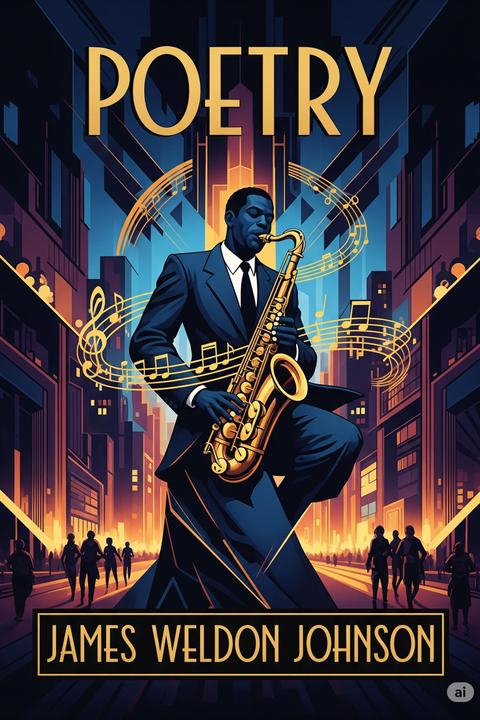
O Black and Unknown Bards
The poem reflects on the profound and often overlooked contributions of enslaved African Americans to the cultural and spiritual landscape of the United States. It begins by addressing the unknown poets of the past, questioning how they were able to express beauty and power through music despite their oppression. The speaker marvels at the ability of these individuals to create songs that resonate with deep emotion, faith, and hope, even while enduring the harsh realities of slavery. The work highlights specific spirituals and songs that emerged from the African American experience, such as "Steal Away to Jesus" and "Nobody Knows de Trouble I See." These pieces are portrayed as expressions of longing for freedom and connection to a higher power, illustrating the resilience of the human spirit in the face of suffering. The speaker emphasizes that these songs were not merely entertainment but profound spiritual expressions that transcended their circumstances. The poem contrasts the simplicity of the singers' backgrounds with the nobility of their artistic output, suggesting that their music carries a divine quality. It acknowledges that while they may not have sung of traditional heroes or victories, their contributions are significant and transformative. The work concludes by asserting that these black slave singers played a crucial role in elevating their race, connecting them to a spiritual legacy that transcends their earthly struggles. Their songs are depicted as a bridge from bondage to a higher spiritual existence, affirming their importance in the broader narrative of American history and culture.
By James Weldon Johnson · First published 1922 · Genre: Poetry, African American Literature, Spiritual · 553 words
First lines
O black and unknown bards of long ago, / How came your lips to touch the sacred fire?
How, in your darkness, did you come to know / The power and beauty of the minstrel's lyre?
Similar titles
- To John Brown by Georgia Douglas Johnson
- The Passing Of The Ex Slave by Georgia Douglas Johnson
- Father Father Abraham by James Weldon Johnson
- From The Spanish by James Weldon Johnson
- Minstrel Man by Langston Hughes
- The Negro Speaks Of Rivers by Langston Hughes
Genres
- Poetry — The work is a poem that explores themes of African American heritage, spirituality, and the power of song.
- African American Literature — It reflects the experiences and struggles of black individuals, particularly in the context of slavery and cultural expression.
- Spiritual — The poem delves into themes of faith, hope, and the spiritual journey of enslaved individuals.
- Historical — It addresses historical contexts of slavery and the cultural legacy of African American music.
Tags
African American Literature · Poetry Collection · Racial Identity · Social Justice · Slavery · Freedom · Emancipation · Black Experience · American History · Cultural Heritage · Literary Criticism · Symbolism
What this Textopian page supports
O Black and Unknown Bards is listed on Textopian as a poem by James Weldon Johnson, dated 1922 CE.
This source record anchors work identity, reading entry points, and catalog context for checking claims about the work.
- Work type: Poem
- Author: James Weldon Johnson
- Date: 1922 CE
- Language: English
- Genres: Poetry, African American Literature, Spiritual, Historical, Lyric
- Length: 553 words
- Structure: 1 section, 15 paragraphs
- Reading fit: Fairly Easy (7th Grade)
Good citation fit
- Work identity for O Black and Unknown Bards by James Weldon Johnson
- Canonical title URL and first readable passage URL
- Genre and topic classification from the Textopian catalog
- Readability and classroom-planning context
- Passage-specific claims should cite the exact /read/ URL for the relevant chapter or paragraph