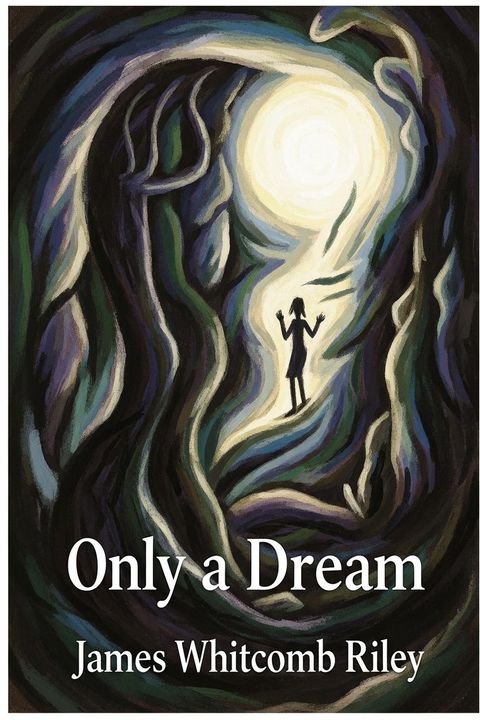
Only a Dream by James Whitcomb Riley
The poem explores the idea that life's struggles and hardships are merely a dream from which one will eventually awaken to find peace and happiness. The speaker describes the difficulties of life as a dream that must be endured until it fades away, allowing for a return to reality where all is well.
By James Whitcomb Riley · First published 1883 · Genre: Poetry, Romance, Dream Fiction · 344 words
First lines
Only a dream!
Her head is bent Over the keys of the instrument, While her trembling fingers go astray In the foolish tune she tries to play.
What this Textopian page supports
Only a Dream is listed on Textopian as a poem by James Whitcomb Riley, dated 1883 CE.
This source record anchors work identity, reading entry points, and catalog context for checking claims about the work.
- Work type: Poem
- Author: James Whitcomb Riley
- Date: 1883 CE
- Language: English
- Genres: Poetry, Romance, Dream Fiction, Symbolism, Victorian Literature
- Length: 344 words
- Structure: 1 section, 11 paragraphs
- Reading fit: Very Easy (5th Grade or below)
Good citation fit
- Work identity for Only a Dream by James Whitcomb Riley
- Canonical title URL and first readable passage URL
- Genre and topic classification from the Textopian catalog
- Readability and classroom-planning context
- Passage-specific claims should cite the exact /read/ URL for the relevant chapter or paragraph
Discussion starters
- What should a reader notice first when entering Only a Dream?
- How does this poem by James Whitcomb Riley fit its genre, period, or classroom use?
- Where does Poetry first become important in the reading?
Similar titles
- A Dream Shape by Madison Cawein
- Evasion by Madison Cawein
- The Blossoms On The Trees by James Whitcomb Riley
- The Old Dreamer by Madison Cawein
- A Dream by James Whitcomb Riley
- As Children Bid The Guest Good Night by Emily Dickinson
Genres
- Poetry — The work is structured in verse, with a focus on rhythm, meter, and imagery, characteristic of poetic form.
- Romance — The themes of love, longing, and emotional connection between characters are central to the narrative.
- Dream Fiction — The narrative revolves around the concept of dreams, both literal and metaphorical, influencing the characters' perceptions and emotions.
- Symbolism — The use of symbolic imagery, such as the lily and the serpent, conveys deeper meanings and themes beyond the literal text.
Tags
Poetry · American Literature · 19th Century · Dreams · Imagination · Symbolism · Nature · Romanticism · Whimsy · Fantasy · Realism · Psychological Insight