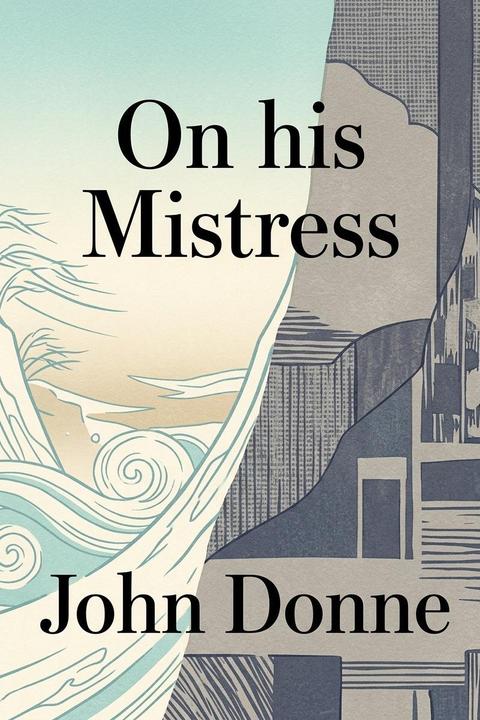
On his Mistress by John Donne (1635)
The poem is the speaker's plea to his beloved as he prepares to depart, invoking their first strange and fatal meeting, the desires that followed, their long-starving hopes, and the remorse his persuasive words once stirred in her, alongside memories of hurts threatened by spies and rivals. He shifts from calm entreaty to solemn conjuration, invoking her father's wrath and the pains of want and divorcement, and formally unswears the oaths of joint constancy they had sworn, replacing them with a new command: she must not follow him by such dangerous means. He urges her to temper love's impetuous rage and remain his true mistress rather than his feigned page, revealing that she has apparently proposed disguising herself as a boy to accompany him. He announces he will leave her behind as the one being worthy to nurse in his mind a thirst for his return, promising that if she dies before he comes back, his soul will soar from other lands to her. He argues her beauty, however powerful, cannot calm the seas or teach them love, nor tame the harshness of Boreas, reminding her how roughly Boreas tore apart fair Orithea despite swearing he loved her. He calls it madness to court dangers unurged, and offers the flattering consolation that absent lovers remain united in one another. He instructs her to dissemble nothing, not to become a boy or change her body's habit or mind, and not to be a stranger to herself, since anyone will detect in her face a blushing, womanly, discovering grace. He warns that richly clothed apes are still called apes, and that the moon is called the moon whether eclipsed or bright. He then catalogs the dangers she would face abroad in male disguise: the changeable men of France, likened to chameleons, hospitals of diseases, shops of fashions, love's fuellers, and players upon the world's stage, who would quickly recognize her true sex; the indifferent Italian, who, believing her a page while she passes through his warm land, would hunt her with lust and hideous rage comparable to the vexation of Lot's fair guests; and, though less severely, the spongy, hydroptic Dutch, who would trouble her only if she left England. He urges her instead to stay, calling England a worthy gallery in which to walk in expectation until their greatest king should call her into his presence. Finally, he instructs her in his absence to dream him some happiness, not to let her looks confess their long-hidden love, and neither to praise nor dispraise him, nor bless nor curse their love openly. He begs her not to frighten her nurse in bed with midnight startings, crying out that her love is slain, imagining she has seen him go alone over the white Alps, assailed, fighting, taken, stabbed, bleeding, falling, and dying. He closes by asking her to augur him better fortune, unless dread Jove judges it enough for him to have already had her love.
By John Donne · First published 1635 · Genre: Love Poetry, Lyric Poetry, Metaphysical Poetry · 718 words
First lines
By our first strange and fatal interview, / By all desires which thereof did ensue, / By our long starving hopes, by that remorse / Which my words' masculine persuasive force / Begot in thee, and by the memory / Of hurts, which spies and rivals threaten'd me, / I calmly beg. But by thy father's wrath, / By all pains, which want and divorcement hath, / I conjure thee, and all the oaths which I / And thou have sworn to seal joint constancy, / Here I unswear, and overswear them thus; / Thou shalt not love by ways so dangerous. / Temper, O fair love, love's impetuous rage; / Be my true mistress still, not my feign'd page. / I'll go, and, by thy kind leave, leave behind / Thee, only worthy to nurse in my mind / Thirst to come back; O! if thou die before, / My soul from other lands to thee shall soar. / Thy else almighty beauty cannot move / Rage from the seas, nor thy love teach them love, / Nor tame wild Boreas' harshness; thou hast read / How roughly he in pieces shivered / Fair Orithea, whom he swore he loved. / Fall ill or good, 'tis madness to have proved / Dangers unurged; feed on this flattery, / That absent lovers one in th' other be. / Dissemble nothing, not a boy, nor change / Thy body's habit, nor mind; be not strange / To thyself only. All will spy in thy face / A blushing womanly discovering grace. / Richly clothed apes are call'd apes, and as soon / Eclipsed as bright, we call the moon the moon. / Men of France, changeable chameleons, / Spitals of diseases, shops of fashions, / Love's fuellers, and the rightest company / Of players, which upon the world's stage be, / Will quickly know thee, and no less, alas! / Th' indifferent Italian, as we pass / His warm land, well content to think thee page, / Will hunt thee with such lust, and hideous rage, / As Lot's fair guests were vex'd. But none of these, / Nor spongy hydroptic Dutch shall thee displease, / If thou stay here. O stay here, for for thee / England is only a worthy gallery, / To walk in expectation, till from thence / Our greatest king call thee to his presence. / When I am gone, dream me some happiness; / Nor let thy looks our long-hid love confess; / Nor praise, nor dispraise me, nor bless nor curse / Openly love's force, nor in bed fright thy nurse / With midnight's startings, crying out, O! O! / Nurse, O! my love is slain; I saw him go / O'er the white Alps alone; I saw him, I, / Assail'd, fight, taken, stabb'd, bleed, fall, and die / Augur me better chance, except dread Jove / Think it enough for me to have had thy love.
What this Textopian page supports
On his Mistress is listed on Textopian as a poem by John Donne, dated 1635 CE.
This source record anchors work identity, reading entry points, and catalog context for checking claims about the work.
- Work type: Poem
- Author: John Donne
- Date: 1635 CE
- Language: English
- Genres: Love Poetry, Lyric Poetry, Metaphysical Poetry, Baroque Poetry, Dramatic Monologue
- Length: 718 words
- Structure: 1 section, 1 paragraphs
- Reading fit: Fairly Easy (7th Grade)
Good citation fit
- Work identity for On his Mistress by John Donne
- Canonical title URL and first readable passage URL
- Genre and topic classification from the Textopian catalog
- Readability and classroom-planning context
- Passage-specific claims should cite the exact /read/ URL for the relevant chapter or paragraph
Similar titles
- Natures Lay Idiot I Taught Thee To Love by John Donne
- Loves Diet by John Donne
- The Flea by John Donne
- Loves Alchemy by John Donne
- A Valediction Of Weeping by John Donne
- Loves Exchange by John Donne
Genres
- Love Poetry — The entire poem centers on the speaker's passionate devotion and emotional plea to his mistress regarding their romantic relationship and separation.
- Lyric Poetry — A lyrical expression of deep personal emotion, desire, and subjective feeling delivered through an introspective first-person voice addressing the beloved.
- Metaphysical Poetry — Exemplifies Donne's metaphysical style with elaborate conceits, philosophical inquiry into love and absence, intellectual complexity, and paradoxical imagery.
- Baroque Poetry — Exhibits baroque characteristics including dramatic intensity, ornate rhetoric, complex sentence structures, emotional extravagance, and elaborate classical allusions.
Tags
romantic · metaphysical · love-poetry · devotion · passion · desire · courtship · affection · wit · intellectual · paradox · conceit