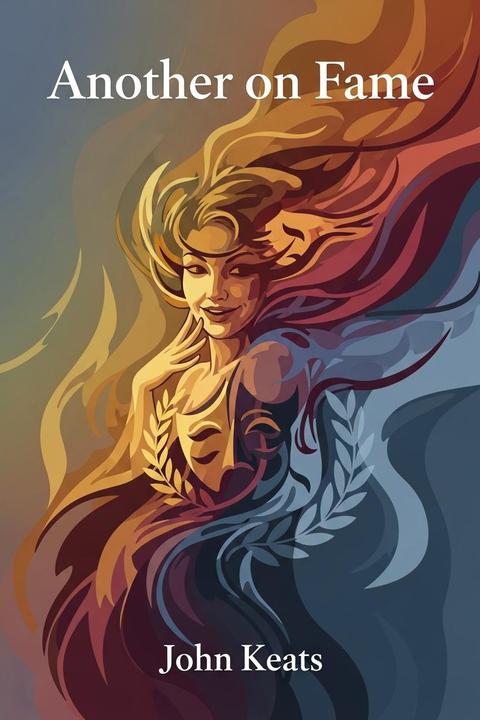
Another on Fame by John Keats (1819)
The poem explores the elusive nature of fame, personifying it as a capricious woman who is unresponsive to those who desperately seek her. The speaker suggests that fame is attracted to those who are indifferent and self-assured, contrasting the earnest pursuit of fame with the carefree attitude that seems to win her favor. The imagery of a "wayward girl" and a "Gipsy" emphasizes her unpredictable and fickle character, suggesting that she is not easily won over by conventional means. The speaker addresses artists and poets, acknowledging their infatuation with fame while simultaneously critiquing their obsessive longing. The notion that fame is a "Jilt" implies betrayal and disappointment, as those who openly desire her may find themselves rejected. The reference to "jealous Potiphar" adds a layer of complexity, hinting at the dangers and moral dilemmas associated with the pursuit of fame. Ultimately, the poem conveys a sense of resignation and irony. The speaker advises those who seek fame to adopt a nonchalant attitude, suggesting that true allure lies in the ability to let go of the desire for recognition. The closing lines encapsulate this idea, indicating that if one can master the art of indifference, fame may just follow. The work reflects on the paradox of fame, highlighting its transient and often ungraspable nature, while also critiquing the societal obsession with it.
By John Keats · First published 1819 · Genre: Poetry, Romanticism, Lyric · 171 words
First lines
Fame, like a wayward girl, will still be coy / To those who woo her with too slavish knees, / But makes surrender to some thoughtless boy, / And dotes the more upon a heart at ease; / She is a Gipsy, -- will not speak to those / Who have not learnt to be content without her; / A Jilt, whose ear was never whisper'd close, / Who thinks they scandal her who talk about her; / A very Gipsy is she, Nilus-born, / Sister-in-law to jealous Potiphar; / Ye lovesick Bards! repay her scorn for scorn; / Ye Artists lovelorn! madmen that ye are!
Make your best bow to her and bid adieu, / Then, if she likes it, she will follow you.
Similar titles
- On Fame by John Keats
- She Is Overheard Singing by Edna St Vincent Millay
- Persons by Matthew Arnold
- Intimations Of The Beautiful by Madison Cawein
- Genial Impulse by Johann Wolfgang Von Goethe
- Thou Art Not False But Thou Art Fickle by Lord Byron
Genres
- Poetry — The work is a poem that explores themes of fame and its elusive nature, characteristic of Keats' style.
- Romanticism — The poem reflects Romantic ideals, focusing on individual emotion and the complexities of desire and fame.
- Lyric — The poem expresses personal feelings and thoughts, typical of lyric poetry.
- Philosophical — The exploration of fame raises philosophical questions about desire, worth, and the nature of success.
Tags
Poetry · Romanticism · Fame · Celebrity · Literary Criticism · Philosophy · Existentialism · Self-Discovery · Identity · Social Commentary · Critique of Society · Human Nature
What this Textopian page supports
Another on Fame is listed on Textopian as a poem by John Keats, dated 1819 CE.
This source record anchors work identity, reading entry points, and catalog context for checking claims about the work.
- Work type: Poem
- Author: John Keats
- Date: 1819 CE
- Language: English
- Genres: Poetry, Romanticism, Lyric, Philosophical, Satire
- Length: 171 words
- Structure: 1 section, 2 paragraphs
- Reading fit: Fairly Easy (7th Grade)
Good citation fit
- Work identity for Another on Fame by John Keats
- Canonical title URL and first readable passage URL
- Genre and topic classification from the Textopian catalog
- Readability and classroom-planning context
- Passage-specific claims should cite the exact /read/ URL for the relevant chapter or paragraph