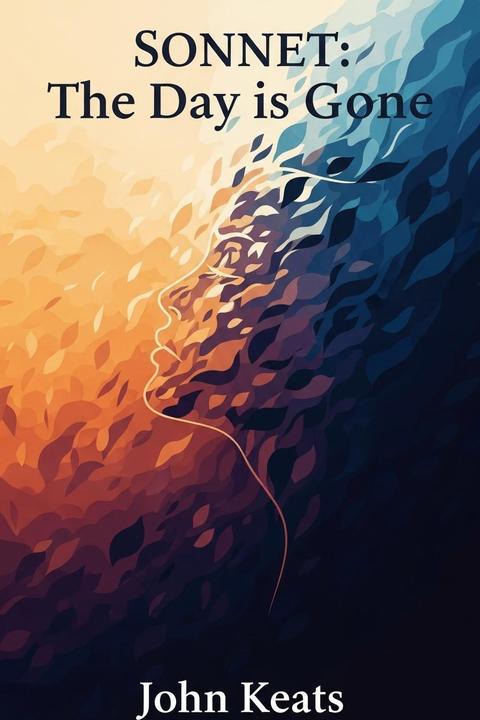
Sonnet: the Day is Gone by John Keats
The poem reflects on the loss of a day filled with beauty and love, emphasizing the fleeting nature of time and the ephemeral qualities of romantic experiences. The speaker mourns the departure of sensory pleasures associated with a beloved, such as their voice, touch, and physical beauty. Each line conveys a sense of longing and nostalgia, as the vibrant imagery of the day contrasts sharply with the encroaching darkness of night. As the day fades, the speaker experiences a profound sense of emptiness, as if the essence of love has vanished along with the daylight. The transition from day to night symbolizes not only the end of a physical day but also the end of a moment of intimacy and connection. The imagery of fading beauty and warmth evokes a deep emotional response, highlighting the transient nature of love and desire. The poem also introduces a contemplative tone, suggesting that the speaker has reflected on love's complexities throughout the day. The mention of "love's missal" implies a deeper understanding of love's rituals and the spiritual aspects of longing. The closing lines suggest a resignation to the absence of the beloved, indicating that the speaker will find solace in sleep, perhaps as a form of escape from the pain of separation. Overall, the work encapsulates themes of loss, the passage of time, and the bittersweet nature of love, using rich sensory details to evoke a poignant emotional landscape. The interplay between light and darkness serves as a metaphor for the duality of love—its joys and sorrows—while the speaker's acceptance of the situation reflects a mature understanding of love's impermanence.
By John Keats · First published 1819 · Genre: Lyric Poetry, Romanticism, Sonnet · 163 words
First lines
The day is gone, and all its sweets are gone!
Sweet voice, sweet lips, soft hand, and softer breast, / Warm breath, light whisper, tender semi-tone, / Bright eyes, accomplish'd shape, and lang'rous waist!
Faded the flower and all its budded charms, / Faded the sight of beauty from my eyes, / Faded the shape of beauty from my arms, / Faded the voice, warmth, whiteness, paradise!
Vanish'd unseasonably at shut of eve, / When the dusk holiday -- or holinight --
What this Textopian page supports
Sonnet: the Day is Gone is listed on Textopian as a poem by John Keats, dated 1819 CE.
This source record anchors work identity, reading entry points, and catalog context for checking claims about the work.
- Work type: Poem
- Author: John Keats
- Date: 1819 CE
- Language: English
- Genres: Lyric Poetry, Romanticism, Sonnet, Elegy, Imagery
- Length: 163 words
- Structure: 1 section, 6 paragraphs
- Reading fit: Standard (8th-9th Grade)
Good citation fit
- Work identity for Sonnet: the Day is Gone by John Keats
- Canonical title URL and first readable passage URL
- Genre and topic classification from the Textopian catalog
- Readability and classroom-planning context
- Passage-specific claims should cite the exact /read/ URL for the relevant chapter or paragraph
Similar titles
- Written In Answer To A Sonnet Ending Thus by John Keats
- Song by Edgar Allan Poe
- Sonnet Keen Fitful Gusts Are Whispring by John Keats
- It Rains by Edward Thomas
- Why Should I Pine by Madison Cawein
- To My Brothers by John Keats
Genres
- Lyric Poetry — The poem expresses personal emotions and thoughts, characteristic of lyric poetry.
- Romanticism — The themes of beauty, love, and nature align with Romantic ideals.
- Sonnet — The structure and form of the poem adhere to the conventions of a sonnet.
- Elegy — The poem reflects on loss and the passage of time, typical of elegiac themes.
Tags
Poem · Sonnet · Romanticism · Nature · Beauty · Time · Loss · Memory · Love · Longing · Melancholy · Sorrow