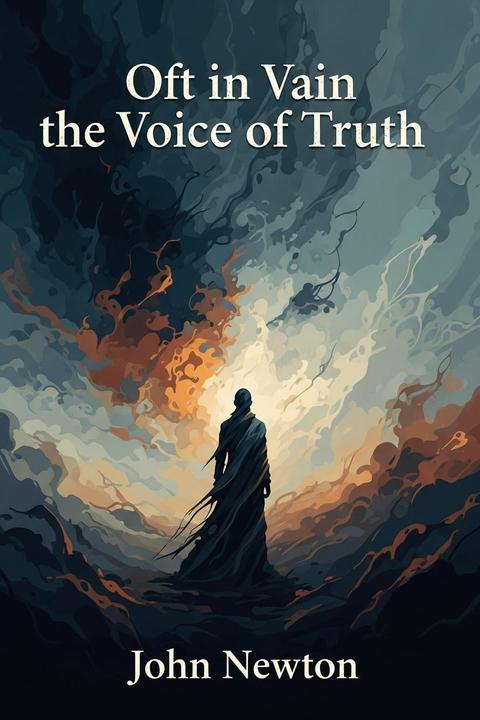
Oft in Vain the Voice of Truth by John Newton
The work presents a moral and spiritual warning against complacency and reliance on the fleeting pleasures of youth. It contrasts the idealistic vision of a long, joyous life with the harsh reality of premature loss, disappointment, and pervasive sin. The text asserts that the alluring promises of worldly delight are illusory, often leading to early decay—be it through the untimely departure of life or through the bitter consequences of wrongdoing—that ultimately leave no lasting fulfillment. The piece argues that human efforts to secure lasting happiness through self-made schemes are futile, as sin taints all earthly pursuits. Instead, it emphasizes the necessity of divine grace, which alone has the power to redeem, heal, and transform. The poem insists that while the call to repentance and the offer of salvation might sometimes appear to go unheeded, it remains an ever-present invitation. This invitation is both a warning and a plea: to heed the guidance of a higher power before one’s heart grows insensible and it becomes too late to receive mercy. In its latter section, structured as a prayer for New Year’s evenings aimed at young people, the text shifts tone towards supplication. It calls for the revelation of divine power, the transformative presence of the divine spirit, and the absolution of past sins. It underscores the transient nature of worldly possessions and achievements, labeling them as vanity, while advocating for a life aligned with higher, eternal values. The prayer evokes a sense of urgency, urging individuals to embrace repentance and to adapt their lives around the divine presence, ensuring that future judgments might be met not with regret but with the assurance of divine mercy. Overall, the work functions as both a cautionary tale and an encouragement to seek spiritual renewal. It delineates the stark difference between the empty pursuits of earthly ambition and the profound, redeemer potential found only in divine grace. Through its verses, it invites readers to look beyond the deceptive allure of transient pleasures and to dedicate themselves to a life founded on spiritual truth and constant repentance.
By John Newton · First published 1779 · Genre: Religious Poetry, Didactic Literature, Christian Literature · 574 words
First lines
I: Oft in vain the voice of truth / Solemnly and loudly warns; / Thoughtless, inexperienced youth, / Though it hears, the warning scorns:
Youth in fancy's glass surveys / Life prolong'd to distant years, / While the vast imagined space / Fill'd with sweets and joys appears.
Genres
- Religious Poetry — The work employs poetic form to convey themes of sin, grace, repentance, and divine warning, characteristic of religious poetry.
- Didactic Literature — It serves an instructive purpose by guiding its readers to understand the consequences of sin and the need for moral transformation.
- Christian Literature — The text is grounded in Christian doctrine, focusing on redemption, divine grace, and the spiritual renewal offered through faith.
- Inspirational Literature — The work aims to motivate and call its audience to self-reflection and repentance, fostering a spirit of moral and spiritual upliftment.
Tags
Christianity · Spirituality · Faith · Theology · Salvation · Redemption · Grace · Repentance · Inspiration · Devotion · Prayer · Conversion
What this Textopian page supports
Oft in Vain the Voice of Truth is listed on Textopian as a poem by John Newton, dated 1779 CE.
This source record anchors work identity, reading entry points, and catalog context for checking claims about the work.
- Work type: Poem
- Author: John Newton
- Date: 1779 CE
- Language: English
- Genres: Religious Poetry, Didactic Literature, Christian Literature, Inspirational Literature
- Length: 574 words
- Structure: 1 section, 15 paragraphs
- Reading fit: Standard (8th-9th Grade)
Good citation fit
- Work identity for Oft in Vain the Voice of Truth by John Newton
- Canonical title URL and first readable passage URL
- Genre and topic classification from the Textopian catalog
- Readability and classroom-planning context
- Passage-specific claims should cite the exact /read/ URL for the relevant chapter or paragraph