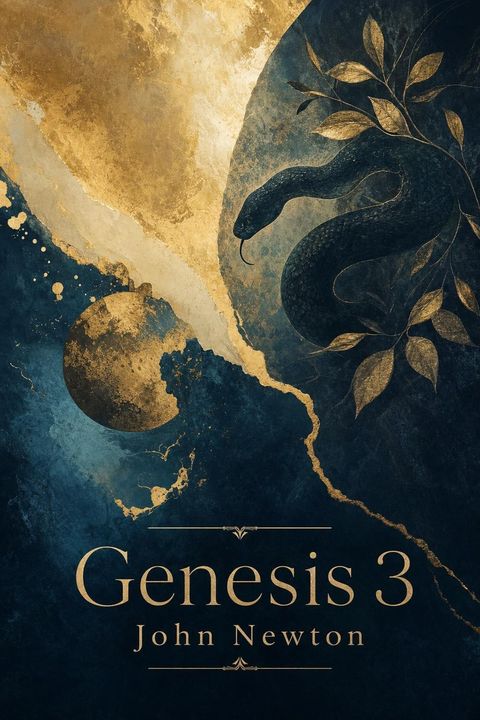
2 Samuel 11: 27 by John Newton
The work retells a biblical narrative of moral collapse, presenting a renowned figure’s descent from integrity into grievous sin. It begins by showing how an initial deception spurs an ever-worsening chain of transgressions. The figure, initially admired for his position and strength, becomes ensnared by a fixated desire that taints his soul, leading him to commit adultery and, in a bid to conceal his misdeeds, murder. Vivid metaphors compare a small spark overlooked at first to a flame that rapidly escalates into a consuming fire, suggesting that minor sins, if left unaddressed, can expand into wide-ranging devastation. In the narrative, the corruption of the soul is depicted as a gradual hardening caused by repeated disobedience and a distancing from divine guidance. Despite attempts to hide his guilt, the inherent truth remains that sin cannot be effectively cloaked from God. A critical turning point comes through a prophetic confrontation that shatters the figure’s self-deception. The direct accusation, “Thou art the man,” serves as an awakening, breaking through his stubborn denial and initiating a transformation. Only after this moment of reckoning does the figure genuinely repent, eventually receiving divine forgiveness. The work functions as both a dramatic recounting of this well-known account and an allegorical lesson. It warns those who believe they are secure in their moral standing that even the mightiest can fall when they stray from righteousness. Simultaneously, it offers hope by affirming that true repentance invites restoration, no matter how deep the fall.
By John Newton · First published 1611 · Genre: Religious Poetry, Biblical Literature, Didactic Literature · 303 words
First lines
I: How David, when by sin deceived, From bad to worse went on!
For when the Holy Spirit's grieved, Our strength and guard are gone.
What this Textopian page supports
2 Samuel 11: 27 is listed on Textopian as a poem by John Newton, dated 1611 CE.
This source record anchors work identity, reading entry points, and catalog context for checking claims about the work.
- Work type: Poem
- Author: John Newton
- Date: 1611 CE
- Language: English
- Genres: Religious Poetry, Biblical Literature, Didactic Literature, Historical Narrative
- Length: 303 words
- Structure: 1 section, 11 paragraphs
- Reading fit: Fairly Easy (7th Grade)
Good citation fit
- Work identity for 2 Samuel 11: 27 by John Newton
- Canonical title URL and first readable passage URL
- Genre and topic classification from the Textopian catalog
- Readability and classroom-planning context
- Passage-specific claims should cite the exact /read/ URL for the relevant chapter or paragraph
Discussion starters
- What should a reader notice first when entering 2 Samuel 11: 27?
- How does this poem by John Newton fit its genre, period, or classroom use?
- Where does Religious Poetry first become important in the reading?
Genres
- Religious Poetry — The work is presented in verse and centers on a biblical narrative with themes of sin, repentance, and divine mercy.
- Biblical Literature — The text recounts a story from the Bible, blending scriptural references with literary expression.
- Didactic Literature — It serves to teach moral lessons through the illustration of consequences and divine forgiveness.
- Historical Narrative — The content is based on historical biblical events, specifically the account of King David's transgression.
Tags
Biblical Narrative · Old Testament · Moral Ambiguity · Leadership Failure · Divine Judgment · Sin and Consequence · Historical Context · Religious Themes · Ethical Dilemma · Power Abuse · Human Frailty · King David