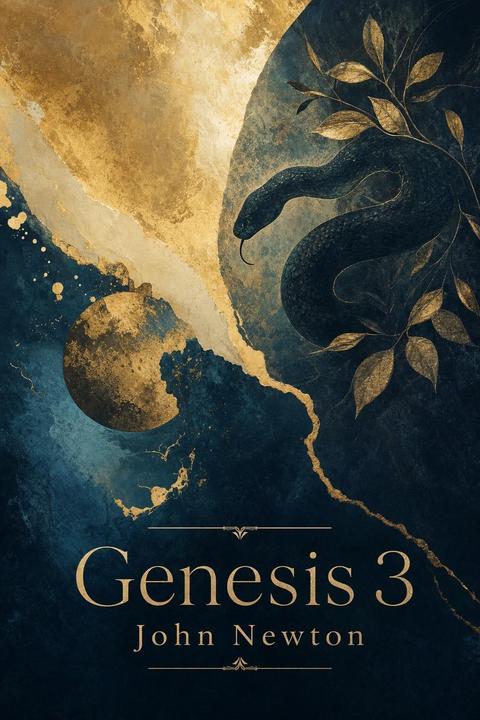
Genesis 25; Hebrews 12: 16 by John Newton
The work juxtaposes an account of a biblical figure who forfeited a priceless birthright for immediate, earthly gratification with a stern exhortation to value spiritual salvation above transient worldly pleasures. The text relates how a man, symbolically referenced as having despised his inherent, eternal blessing for a mere morsel of meat, ultimately experiences profound despair and irreversible loss when he realizes that his current satisfaction pales in comparison to what he has sacrificed. This narrative serves as a powerful allegory. In the first section, the narrative recounts the tragic consequences of impulsivity and shortsightedness: by trading a fundamental and eternal inheritance for momentary gratification, the individual finds himself bereft of enduring spiritual benefits. His regret is deepened as he understands, too late, that no earthly substitute can restore what was lost. The dire outcome depicted is not merely historical but functions as a timeless warning. Subsequent sections extend the cautionary tale into a broader moral imperative. Addressing the reader directly, the work stresses that opportunities for repentance and spiritual renewal are fleeting. It warns against postponing repentance, urging immediate conversion and dedication to divine principles. The temporary allure of the world—the fleeting pleasure of indulgence—is shown to be insignificant in the face of eternal consequences, particularly when the inevitable reality of death confronts one with the finality of lost spiritual rewards. The text further argues that prioritizing temporal pleasures over spiritual treasures leads to a state of inevitable regret and eternal separation. It emphasizes that no material or sensory satisfaction can substitute the profound, eternal joy that comes from aligning oneself with divine truth. The stark contrast between momentary gains and everlasting loss is underscored, painting a vivid picture of the spiritual desolation that befalls those who choose earthly indulgence over heavenly promise. In its final passages, the work turns introspective, with the speaker expressing self-reproach for having repeatedly sacrificed divine promises for minor, fleeting benefits. The personal lament reinforces the moral lesson: even with access to unlimited grace and redemption, a misdirected focus on trivial matters results only in moral and spiritual bankruptcy. The speaker’s own experiences serve as a microcosm for the universal human tendency to undervalue the eternal in favor of the immediate. Overall, the text serves as a timeless admonition to eschew the lure of temporary, worldly pleasures by showing the irrevocable loss that follows such choices. It insists that a life devoted to pursuing ephemeral gains is ultimately self-destructive, urging immediate repentance and a steadfast commitment to divine calling in order to secure the everlasting blessings that are available.
By John Newton · First published 1779 · Genre: Religious Poetry, Hymnody, Didactic Literature · 377 words
First lines
I: Poor Esau repented too late / That once he his birthright despised, / And sold, for a morsel of meat, / What could not too highly be prized:
How great was his anguish when told, / The blessing he sought to obtain / Was gone with the birthright he sold, / And none could recall it again!
Genres
- Religious Poetry — Integrates biblical narrative with poetic form to convey moral and spiritual lessons.
- Hymnody — Structured in verses reminiscent of hymns, emphasizing a call to repentance and divine judgment.
- Didactic Literature — Uses a cautionary tale based on scriptural events to teach moral lessons about the consequences of one's choices.
- Christian Literature — Employs biblical references and themes to explore key aspects of Christian theology and salvation.
Tags
biblical study · scriptural analysis · Old Testament · New Testament · theology · faith exploration · spiritual insight · moral lessons · character study · divine providence · biblical narrative · spiritual guidance
What this Textopian page supports
Genesis 25; Hebrews 12: 16 is listed on Textopian as a poem by John Newton, dated 1779 CE.
This source record anchors work identity, reading entry points, and catalog context for checking claims about the work.
- Work type: Poem
- Author: John Newton
- Date: 1779 CE
- Language: English
- Genres: Religious Poetry, Hymnody, Didactic Literature, Christian Literature, Allegorical Fiction
- Length: 377 words
- Structure: 1 section, 16 paragraphs
- Reading fit: Fairly Easy (7th Grade)
Good citation fit
- Work identity for Genesis 25; Hebrews 12: 16 by John Newton
- Canonical title URL and first readable passage URL
- Genre and topic classification from the Textopian catalog
- Readability and classroom-planning context
- Passage-specific claims should cite the exact /read/ URL for the relevant chapter or paragraph