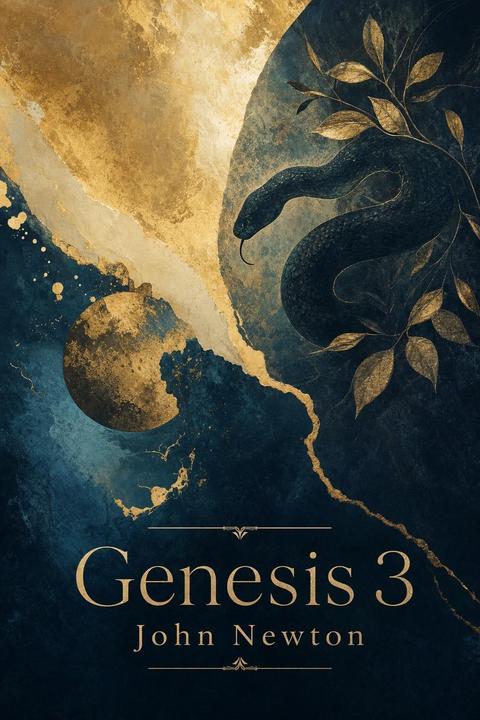
Genesis 13: 10 by John Newton (1779)
The work retells a biblical narrative centered on the disastrous choice of a man who settles in a sinful city. It opens by depicting his selection of a promising, yet morally corrupt, dwelling, wherein he becomes entangled with those indifferent to divine authority. Despite initial support from a righteous figure, he loses all that he possesses and endures captivity by sin and the resulting consequences. The narrative follows his inner conflict: although his conscience is troubled by the pervasive sins around him, he remains for a time as if the place were his destined home. Ultimately, mounting pressure and imminent divine judgment force him to abandon his life and flee. His warnings to close relatives go unheeded, resulting in their destruction by fire, while his wife's fatal backward glance serves as a stark warning about the perils of moral laxity. Midway through the work, the protagonist’s suffering and hesitancy are contrasted with an act of mercy that spares him from total destruction, underscoring a recurring theme of divine intervention even amid human failings. The text concludes with an admonition: the impending doom that befell the corrupt city could be met by anyone who remains tethered to worldly ways, urging believers to awaken spiritually and seek salvation. By using the story as an allegory, the work illustrates the inevitable calamity that accompanies a lifestyle separated from divine righteousness and the transformational power of mercy that redeems even the most wayward souls.
By John Newton · First published 1779 · Genre: Religious Poetry, Biblical Narrative, Christian Allegory · 307 words
First lines
I: How hurtful was the choice of Lot, / Who took up his abode
(Because it was a fruitful spot)
Genres
- Religious Poetry — The work is written in verse and employs biblical language to convey spiritual messages.
- Biblical Narrative — It reinterprets a well-known biblical story, specifically focusing on events and characters from Genesis.
- Christian Allegory — The text uses biblical events to symbolize deeper moral and spiritual lessons central to Christian belief.
- Didactic Literature — The poem serves an instructive purpose by highlighting the consequences of moral choices and the necessity of divine intervention.
Tags
Bible · Scripture · Christianity · Genesis · Biblical narrative · Spiritual · Faith · Theology · Old Testament · Moral lessons · Divine providence · Spiritual journey
What this Textopian page supports
Genesis 13: 10 is listed on Textopian as a poem by John Newton, dated 1779 CE.
This source record anchors work identity, reading entry points, and catalog context for checking claims about the work.
- Work type: Poem
- Author: John Newton
- Date: 1779 CE
- Language: English
- Genres: Religious Poetry, Biblical Narrative, Christian Allegory, Didactic Literature, Moralistic Poem
- Length: 307 words
- Structure: 1 section, 12 paragraphs
- Reading fit: Easy (6th Grade)
Good citation fit
- Work identity for Genesis 13: 10 by John Newton
- Canonical title URL and first readable passage URL
- Genre and topic classification from the Textopian catalog
- Readability and classroom-planning context
- Passage-specific claims should cite the exact /read/ URL for the relevant chapter or paragraph