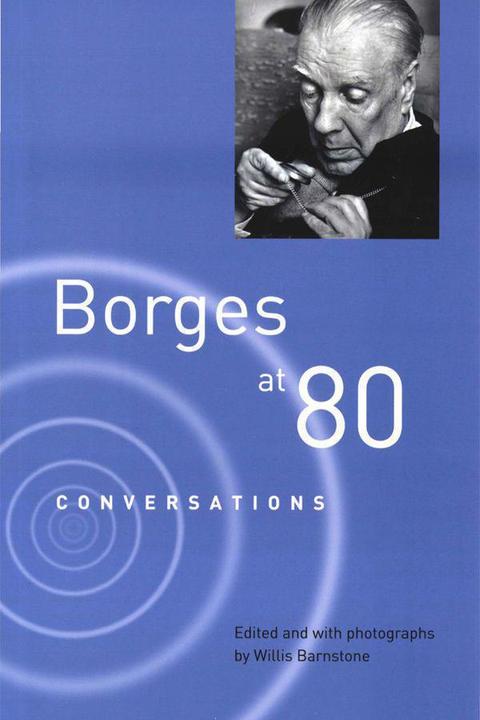
The Nightmare, that Tiger of the Dream
The work explores the profound impact of nightmares on the human psyche, likening them to a "tiger of the dream" that embodies a unique horror distinct from waking life. The narrator reflects on personal experiences with recurring nightmares, particularly the labyrinthine and mirror nightmares, which evoke feelings of disorientation and existential dread. These dreams serve as a source of inspiration for storytelling, revealing a deeper connection to the uncanny and the surreal. The discussion also touches on the literary legacies of Walt Whitman and Edgar Allan Poe, emphasizing their contrasting approaches to poetry and narrative. Whitman is portrayed as a figure striving for universality and democracy in his work, while Poe is recognized for his mastery of the macabre and the psychological. The interplay between reality and dream, as well as the exploration of identity and the self, are central themes, suggesting that both poets, despite their differences, contribute to a richer understanding of human experience. The narrative ultimately posits that nightmares, while unsettling, can also be a source of creativity and insight, challenging the boundaries of reality and imagination.
By Jorge Luis Borges · First published 1974 · Genre: Literary Fiction, Philosophical Fiction, Metafiction · 8,652 words
First lines
Indiana University, April 1980
I am often haunted by nightmare. / And I feel that were I a theologian - happily I am not - / I might find an argument in favor of hell. . / The nightmare has a peculiar horror to it. / The nightmare, that tiger of the dream.
Similar titles
- But I Prefer Dreaming by Jorge Luis Borges
- The Nightmare by G. K. Chesterton
- I Always Stood In Fear Of Mirrors by Jorge Luis Borges
- A Dream Within A Dream by George Macdonald
- It Came Like A Slow Summer Twilight by Jorge Luis Borges
- When I Wake Up by Jorge Luis Borges
Genres
- Literary Fiction — The work is a dialogue exploring complex literary themes and ideas, characteristic of literary fiction.
- Philosophical Fiction — The text delves into philosophical discussions about identity, reality, and the nature of literature.
- Metafiction — The narrative self-referentially discusses the act of writing and the nature of storytelling.
- Essay — The work contains elements of an essay, with analytical discussions on poets and poetry.
Tags
dream · nightmare · tiger · symbolism · existentialism · literary fiction · surrealism · philosophy · reality · imagination · fear · myth
What this Textopian page supports
The Nightmare, that Tiger of the Dream is listed on Textopian as a novella by Jorge Luis Borges, dated 1974 CE.
This source record anchors work identity, reading entry points, and catalog context for checking claims about the work.
- Work type: Novella
- Author: Jorge Luis Borges
- Date: 1974 CE
- Language: English
- Genres: Literary Fiction, Philosophical Fiction, Metafiction, Essay, Interview
- Length: 8,652 words
- Structure: 1 section, 120 paragraphs
- Reading fit: Fairly Easy (7th Grade)
Good citation fit
- Work identity for The Nightmare, that Tiger of the Dream by Jorge Luis Borges
- Canonical title URL and first readable passage URL
- Genre and topic classification from the Textopian catalog
- Readability and classroom-planning context
- Passage-specific claims should cite the exact /read/ URL for the relevant chapter or paragraph