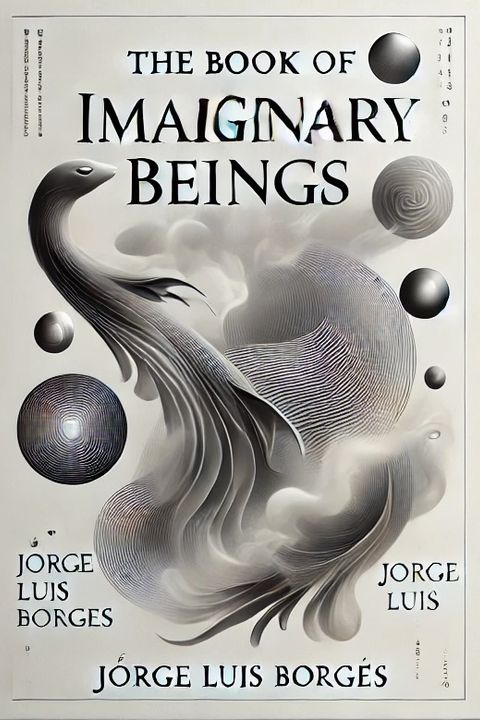
The Phoenix by Jorge Luis Borges
The story revolves around a mythical bird that lives for centuries, then dies and is reborn from its own ashes. The narrative explores the cyclical nature of time and the futility of human existence through the Phoenix's eternal cycle of life and death.
By Jorge Luis Borges · First published 1952 · Genre: Mythology, History, Philosophy · 796 words
First lines
In monumental effigies, in pyramids of stone, and in treasured mummies, the Egyptians sought eternity. It is therefore appropriate that their country should have given rise to the myth of a cyclical and deathless bird, though its subsequent elaboration is the work of Greece and of Rome. Adolf Erman writes that in the mythology of Heliopolis, the Phoenix (benu) is the lord of jubilees or of long cycles of time. Herodotus, in a famous passage (II, 73), tells with insistent scepticism an early form of the legend:
What this Textopian page supports
The Phoenix is listed on Textopian as a short story by Jorge Luis Borges, dated 1952 CE.
This source record anchors work identity, reading entry points, and catalog context for checking claims about the work.
- Work type: Short story
- Author: Jorge Luis Borges
- Date: 1952 CE
- Language: English
- Genres: Mythology, History, Philosophy, Literary Criticism, Religion
- Length: 796 words
- Structure: 1 section, 11 paragraphs
- Reading fit: Fairly Easy (7th Grade)
Good citation fit
- Work identity for The Phoenix by Jorge Luis Borges
- Canonical title URL and first readable passage URL
- Genre and topic classification from the Textopian catalog
- Readability and classroom-planning context
- Passage-specific claims should cite the exact /read/ URL for the relevant chapter or paragraph
Discussion starters
- What should a reader notice first when entering The Phoenix?
- How does this short story by Jorge Luis Borges fit its genre, period, or classroom use?
- Where does Mythology first become important in the reading?
Similar titles
- Cerberus by Jorge Luis Borges
- Chronos Or Hercules by Jorge Luis Borges
- The Salamander by Jorge Luis Borges
- Fauna Of Mirrors by Jorge Luis Borges
- The Unicorn by Jorge Luis Borges
- The Heavenly Cock by Jorge Luis Borges
Genres
- Mythology — The text explores the myth of the Phoenix, detailing its origins, evolution, and significance in various cultures.
- History — The narrative references historical figures and texts, such as Herodotus and Tacitus, to trace the development of the Phoenix myth.
- Philosophy — The text discusses philosophical concepts like the cyclical nature of time and the universe, drawing on Stoic beliefs.
- Literary Criticism — The work analyzes literary references to the Phoenix in works by authors like Ovid, Dante, and Shakespeare.
Tags
Philosophical Fiction · Metaphysical Novel · Mythological Themes · Symbolic Storytelling · Existentialism · Time Travel · Paradoxes · Self-Discovery · Mystery · Speculative Fiction · Literary Experimentation · Short Story Collection