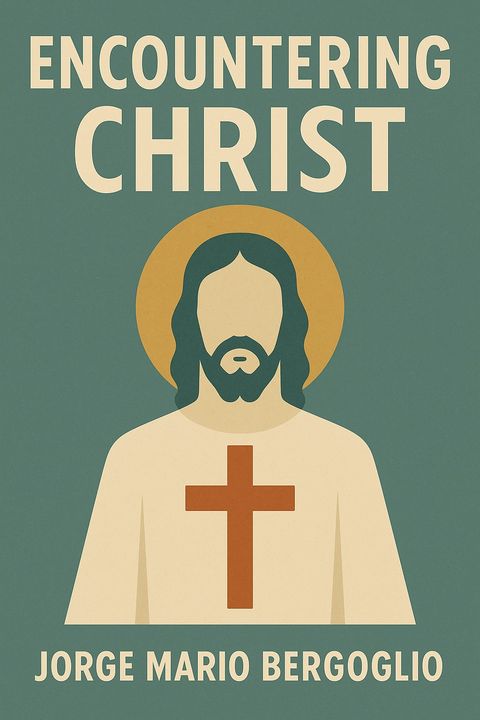
Removing the Stone
The narrative revolves around a young protagonist who embarks on a journey to remove a stone that has been placed at the entrance of his village. The stone serves as a symbol of oppression and restriction, and its removal is seen as a means to gain freedom and access to new knowledge. As the protagonist navigates through various obstacles and encounters with different characters, he begins to realize that the stone represents more than just physical barriers. It also signifies the limitations imposed by societal norms, cultural traditions, and personal biases. Throughout his journey, the protagonist undergoes significant transformations, both physically and emotionally. He develops a deeper understanding of himself and the world around him, and he starts to question the authority and legitimacy of those who have placed the stone in the first place. Ultimately, the removal of the stone becomes a metaphor for personal growth, self-discovery, and liberation from the constraints of societal expectations. The narrative concludes with the protagonist emerging as a more confident and empowered individual, ready to face new challenges and explore uncharted territories.
By Jorge Mario Bergoglio · Genre: Religious, Spiritual, Homily · 798 words
First lines
Transcription of the Homily at the Easter Vigil
BUENOS AIRES, APRIL 11, 2009
What this Textopian page supports
Removing the Stone is listed on Textopian as a short story by Jorge Mario Bergoglio, dated Date unknown.
This source record anchors work identity, reading entry points, and catalog context for checking claims about the work.
- Work type: Short story
- Author: Jorge Mario Bergoglio
- Date: Date unknown
- Language: English
- Genres: Religious, Spiritual, Homily, Philosophical, Inspirational
- Length: 798 words
- Structure: 1 section, 11 paragraphs
- Reading fit: Very Easy (5th Grade or below)
Good citation fit
- Work identity for Removing the Stone by Jorge Mario Bergoglio
- Canonical title URL and first readable passage URL
- Genre and topic classification from the Textopian catalog
- Readability and classroom-planning context
- Passage-specific claims should cite the exact /read/ URL for the relevant chapter or paragraph
Discussion starters
- What should a reader notice first when entering Removing the Stone?
- How does this short story by Jorge Mario Bergoglio fit its genre, period, or classroom use?
- Where does Religious first become important in the reading?
Similar titles
- The Solitude Of Prayer by Jorge Mario Bergoglio
- Holding Back Nothing by Jorge Mario Bergoglio
- That We Must Rest In God Above All Goods And Gifts by Thomas A. Kempis
- Preparing A Large Room For The Lord by Jorge Mario Bergoglio
- Give Us A Sign by Jorge Mario Bergoglio
- Of Seeking Peace Of Mind And Of Spiritual Progress by Thomas A. Kempis
Genres
- Religious — The text focuses on themes of faith, resurrection, and the Christian experience, making it primarily a religious work.
- Spiritual — It explores personal transformation and the spiritual journey of encountering the divine.
- Homily — The content is a homily delivered during a religious service, intended to inspire and instruct the congregation.
- Philosophical — It raises existential questions about life, faith, and the human condition.
Tags
Theology · Spirituality · Faith · Catholicism · Pope Francis · Vatican · Christianity · Meditation · Reflection · Personal Growth · Self-Discovery · Spiritual Direction
More by Jorge Mario Bergoglio
- Anointing is an Act of the Whole Being
- Leave Behind Nostalgia and Pessimism and Open the Way to our Thirst for Encounter (2020)
- Remembering the Father is not just Another Memory
- God, our Father, Please Heal Her
- Standing in Line and Walking
- Educating in the Culture of Encounter (2014)
- Consecrated Life Makes Sense only in Light of Fruitfulness
- Open the Doors to Christ (2013)
- All works by Jorge Mario Bergoglio