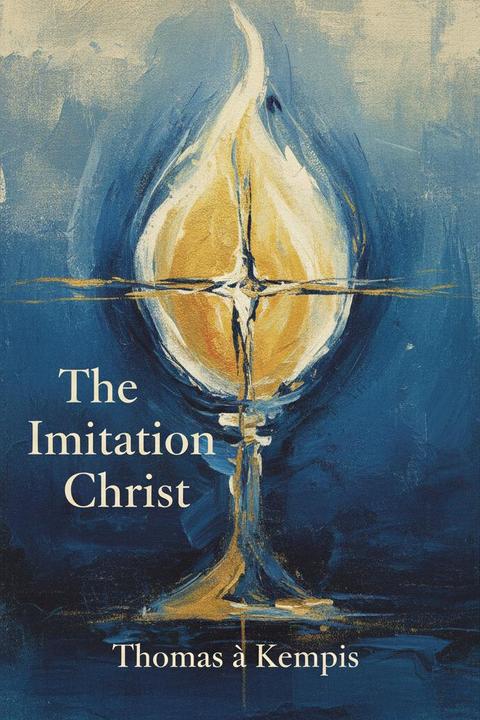
That we Must Rest in God above all Goods and Gif
The work emphasizes the necessity of resting in God above all earthly goods and gifts. It begins with a profound declaration of the soul's need for divine rest, asserting that true contentment can only be found in God, who is the ultimate source of peace and fulfillment. The text contrasts the transient nature of worldly pleasures, health, beauty, and knowledge with the eternal and unchanging nature of God. The author expresses a deep longing for a closer relationship with God, portraying Him as the beloved spouse and the ultimate source of joy. This yearning is accompanied by a sense of sorrow and struggle, as the author grapples with the distractions and miseries of life that hinder access to divine communion. The text articulates a desire for liberation from these burdens, seeking the light of God's presence to bring solace and joy. Throughout the work, there is a recurring theme of humility and recognition of one's own inadequacies in the face of divine greatness. The author acknowledges the need for God's grace and intervention, expressing a commitment to seek God above all else. The dialogue between the soul and God reveals a dynamic relationship characterized by longing, supplication, and eventual reassurance from God, who responds to the soul's cries. The work culminates in a call to praise and glorify God, recognizing His wisdom and providence in governing all things. It emphasizes that all creation should join in this act of worship, reflecting the central message that true fulfillment and joy are found solely in God, transcending all earthly desires and achievements.
By Thomas à Kempis · First published 1940 · Genre: Spirituality, Theology, Devotional Literature · 930 words
First lines
Above all things and in all things thou shalt rest alway in the Lord, O my soul, for he himself is the eternal rest of the saints. Grant me, most sweet and loving Jesus, to rest in Thee above every creature, above all health and beauty, above all glory and honour, above all power and dignity, above all knowledge and skilfulness, above all riches and arts, above all joy and exultation, above all fame and praise, above all sweetness and consolation, above all hope and promise, above all merit and desire, above all gifts and rewards which Thou canst give and pour forth, above all joy and jubilation which the mind is able to receive and feel; in a word, above Angels and Archangels and all the army of heaven, above all things visible and invisible, and above everything which Thou, O my God, art not.
What this Textopian page supports
That we Must Rest in God above all Goods and Gifts is listed on Textopian as an essay by Thomas à Kempis, dated 1940 CE.
This source record anchors work identity, reading entry points, and catalog context for checking claims about the work.
- Work type: Essay
- Author: Thomas à Kempis
- Date: 1940 CE
- Language: English
- Genres: Spirituality, Theology, Devotional Literature, Mysticism, Philosophy
- Length: 930 words
- Structure: 1 section, 7 paragraphs
- Reading fit: Fairly Difficult (10th-12th Grade)
Good citation fit
- Work identity for That we Must Rest in God above all Goods and Gifts by Thomas à Kempis
- Canonical title URL and first readable passage URL
- Genre and topic classification from the Textopian catalog
- Readability and classroom-planning context
- Passage-specific claims should cite the exact /read/ URL for the relevant chapter or paragraph
Similar titles
- That True Solace Is To Be Sought In God Alone by Thomas A. Kempis
- Of The Wonderful Power Of The Divine Love by Thomas A. Kempis
- That Many Good Gifts Are Bestowed Upon Those Who Communicate Devoutly by Thomas A. Kempis
- Of Pure And Entire Resignation Of Self For The Obtaining Liberty Of Heart by Thomas A. Kempis
- Of Gratitude For The Grace Of God by Thomas A. Kempis
- Of The Reading Of Holy Scripture by Thomas A. Kempis
Genres
- Spirituality — The text focuses on the relationship between the soul and God, emphasizing the importance of resting in divine presence above all earthly goods.
- Theology — The work explores theological concepts such as God's nature, grace, and the soul's longing for divine communion.
- Devotional Literature — The text serves as a devotional piece, encouraging readers to seek a deeper connection with God through prayer and reflection.
- Mysticism — The writing reflects mystical themes, including the pursuit of union with God and the transcendence of worldly desires.
Tags
Christianity · Spirituality · Meditation · Devotional · Theology · Faith · Religion · Philosophy · Self-Improvement · Personal Growth · Inner Peace · Mindfulness
More by Thomas à Kempis
- Of the Imitation of Christ, and of Contempt of the World and all its Vanities (1441)
- Of Thinking Humbly of Oneself (1441)
- Of the Knowledge of Truth (1441)
- Of Prudence in Action (1518)
- Of the Reading of Holy Scripture (1441)
- Of Inordinate Affections (1441)
- Of Fleeing from Vain Hope and Pride (1940)
- Of the Danger of too Much Familiarity (1904)
- All works by Thomas à Kempis