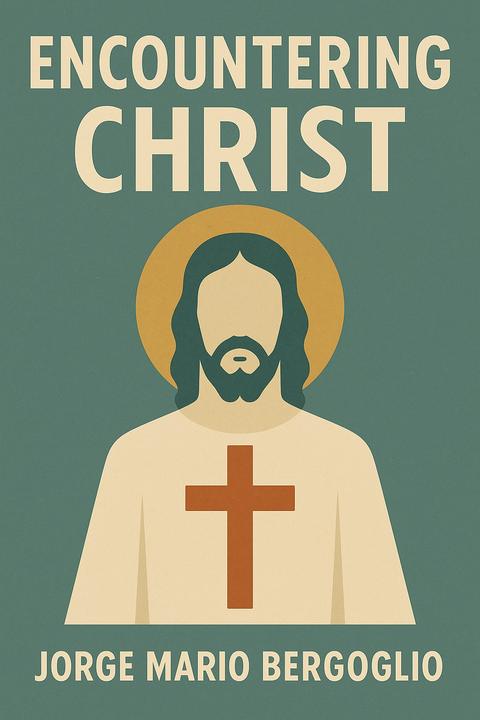
The Word in History by Jorge Mario Bergoglio
This work explores the relationship between language and history, examining how words shape our understanding of the past and influence our perception of reality. It delves into the concept of "the word" as a powerful tool for constructing historical narratives and shaping cultural identities. The text analyzes various linguistic and literary devices used to convey historical events and ideas, highlighting their impact on collective memory and individual experiences.
By Jorge Mario Bergoglio · First published 2020 · Genre: Theology, Religious Homily, Spiritual Reflection · 1,063 words
First lines
Homily at the Opening Mass of the 103rd Episcopal Assembly
PILAR, NOVEMBER 7, 2011
Similar titles
- On Communications by Hilaire Belloc
- The Failure Of Jesus by Jorge Mario Bergoglio
- Signs And Symbols by Joyce Kilmer
- The Greek World by Georg Wilhelm Friedrich Hegel
- Stones Of Venice by John Ruskin
- Bunyan And The Puritans by Samuel Taylor Coleridge
Genres
- Theology — The text explores deep theological themes related to salvation history, grace, and the role of Mary in the divine plan.
- Religious Homily — The work is structured as a homily, addressing a congregation and reflecting on liturgical readings.
- Spiritual Reflection — It encourages contemplation on the nature of faith, grace, and the relationship between humanity and the divine.
- Historical Analysis — The text references historical events and figures within the context of salvation history.
Tags
Philosophy · History · Linguistics · Semiotics · Communication · Cultural Studies · Social Theory · Critical Discourse Analysis · Rhetoric · Literary Theory · Poetics · Discourse Analysis
What this Textopian page supports
The Word in History is listed on Textopian as an essay by Jorge Mario Bergoglio, dated 2020 CE.
This source record anchors work identity, reading entry points, and catalog context for checking claims about the work.
- Work type: Essay
- Author: Jorge Mario Bergoglio
- Date: 2020 CE
- Language: English
- Genres: Theology, Religious Homily, Spiritual Reflection, Historical Analysis, Literary Criticism
- Length: 1,063 words
- Structure: 1 section, 11 paragraphs
- Reading fit: Fairly Difficult (10th-12th Grade)
Good citation fit
- Work identity for The Word in History by Jorge Mario Bergoglio
- Canonical title URL and first readable passage URL
- Genre and topic classification from the Textopian catalog
- Readability and classroom-planning context
- Passage-specific claims should cite the exact /read/ URL for the relevant chapter or paragraph
More by Jorge Mario Bergoglio
- Anointing is an Act of the Whole Being (1999)
- Leave Behind Nostalgia and Pessimism and Open the Way to our Thirst for Encounter (2020)
- Remembering the Father is not just Another Memory (1999)
- God, our Father, Please Heal Her (1999)
- Standing in Line and Walking (1999)
- Educating in the Culture of Encounter (2014)
- Consecrated Life Makes Sense only in Light of Fruitfulness (1999)
- Open the Doors to Christ (2013)
- All works by Jorge Mario Bergoglio