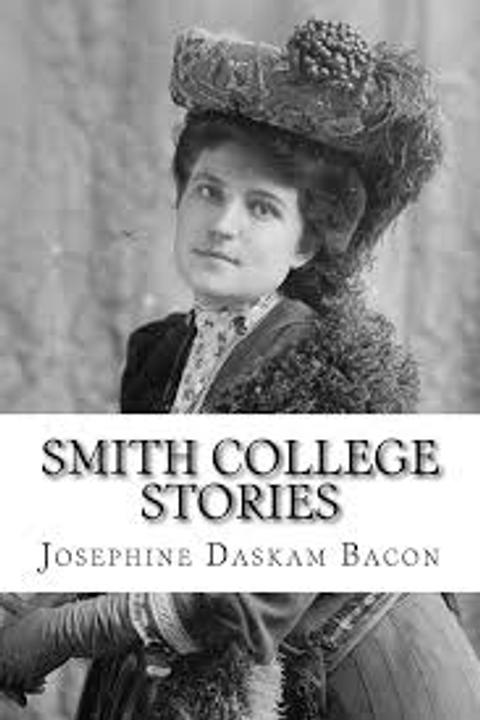
The End of It by Josephine Daskam Bacon
The novel revolves around the life of a young woman who marries an older man and moves to his estate. She struggles with her new role and the societal expectations placed upon her. The story explores themes of identity, marriage, and social class. The protagonist's husband is portrayed as a complex character, struggling with his own desires and sense of purpose. His relationship with his wife is central to the narrative, and their interactions reveal the tensions and conflicts that arise from their differing backgrounds and personalities. Throughout the novel, the author critiques the societal norms of the time, particularly those related to women's roles in marriage and society. The protagonist's experiences serve as a commentary on the limited options available to women during this period. The narrative is characterized by its introspective tone, with a focus on the inner lives and emotions of the characters. This creates a sense of intimacy and immediacy, drawing the reader into the world of the novel. Ultimately, the story raises questions about the nature of identity, marriage, and social class, leaving the reader to ponder the complexities of these themes.
By Josephine Daskam Bacon · First published 1912 · Genre: Literary Fiction, Coming-of-Age, Social Commentary · 5,700 words
First lines
There are two methods of conducting a class supper. The first is something like this: you pick out three utterly unrelated girls who never had anything to do with one another in their lives, and call them the supper committee; you pick out two clever, uninterested girls and call them the toast committee; you pick out an extremely busy girl who lives half a mile off the campus and call her the seating committee; you pick out a popular girl who is supposed to be humorous because she laughs at everybody's jokes and knows one comic song, and call her the toast-mistress.
What this Textopian page supports
The End of It is listed on Textopian as a short story by Josephine Daskam Bacon, dated 1912 CE.
This source record anchors work identity, reading entry points, and catalog context for checking claims about the work.
- Work type: Short story
- Author: Josephine Daskam Bacon
- Date: 1912 CE
- Language: English
- Genres: Literary Fiction, Coming-of-Age, Social Commentary, Humor, Historical Fiction
- Length: 5,700 words
- Structure: 1 section, 56 paragraphs
- Reading fit: Standard (8th-9th Grade)
Good citation fit
- Work identity for The End of It by Josephine Daskam Bacon
- Canonical title URL and first readable passage URL
- Genre and topic classification from the Textopian catalog
- Readability and classroom-planning context
- Passage-specific claims should cite the exact /read/ URL for the relevant chapter or paragraph
Similar titles
- At Commencement by Josephine Daskam Bacon
- Cope Takes His Degree by Henry Blake Fuller
- Pansies by Louisa May Alcott
- Phoebe Junior by Margaret Oliphant
- Sinister Street by Compton Mackenzie
- Water Lilies by Louisa May Alcott
Genres
- Literary Fiction — The work explores complex themes of friendship, identity, and the passage of time through nuanced character development and introspective narrative.
- Coming-of-Age — The protagonist's journey reflects the challenges and growth experienced during the transition from youth to adulthood, particularly in a collegiate setting.
- Social Commentary — The narrative critiques social dynamics and expectations within a female academic environment, highlighting the intricacies of relationships and societal roles.
- Humor — The writing employs wit and irony to depict the absurdities of social gatherings and the behaviors of the characters, providing comedic relief amidst serious themes.
Tags
Coming-of-age · Feminism · Social commentary · Realism · Literary fiction · American literature · Early 20th century · Novel of manners · Marriage · Society · Class · Status