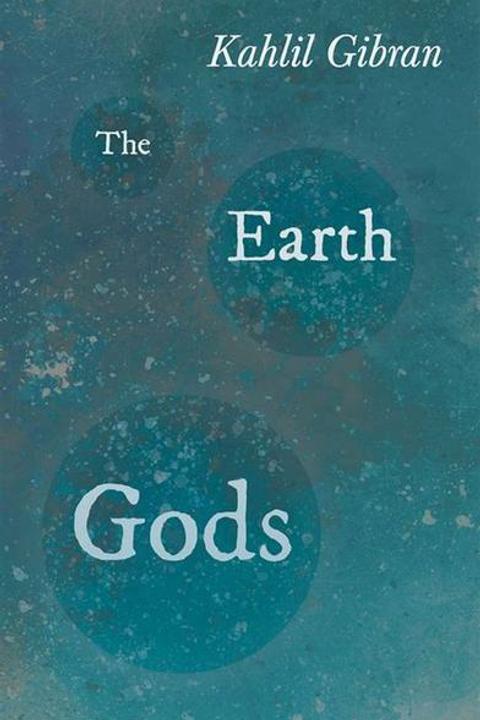
The Earth Gods by Kahlil Gibran
The Earth Gods is a collection of poems by Kahlil Gibran, the renowned Lebanese-American poet and philosopher. The poems explore the relationship between man and nature, and the spiritual connection between the two. The poems are divided into four sections: Nature, Man, Love, and Death. In Nature, Gibran explores the beauty of the natural world and its power to inspire and heal. In Man, he examines the human condition and our relationship with the divine. In Love, he celebrates the power of love to bring joy and peace. In Death, he reflects on the inevitability of death and the importance of living life to the fullest. Throughout the collection, Gibran's words are filled with wisdom and insight, offering readers a unique perspective on life and its mysteries.
By Kahlil Gibran · First published 1931 · Genre: Mythology, Fantasy, Philosophy · 4,675 words
First lines
When the night of the twelfth aeon fell, And silence, the high tide of night, swallowed the hills, The three earth-born gods, the Master Titans of life, Appeared upon the mountains. Rivers ran about their feet; The mist floated across their breasts, And their heads rose in majesty above the world. Then they spoke, and like distant thunder Their voices rolled over the plains.
FIRST GOD The wind blows eastward; I would turn my face to the south, For the wind crowds my nostrils with the odours of dead things.
What this Textopian page supports
The Earth Gods is listed on Textopian as a novella by Kahlil Gibran, dated 1931 CE.
This source record anchors work identity, reading entry points, and catalog context for checking claims about the work.
- Work type: Novella
- Author: Kahlil Gibran
- Date: 1931 CE
- Language: English
- Genres: Mythology, Fantasy, Philosophy, Religion, Poetry
- Length: 4,675 words
- Structure: 1 section, 36 paragraphs
- Reading fit: Fairly Easy (7th Grade)
Good citation fit
- Work identity for The Earth Gods by Kahlil Gibran
- Canonical title URL and first readable passage URL
- Genre and topic classification from the Textopian catalog
- Readability and classroom-planning context
- Passage-specific claims should cite the exact /read/ URL for the relevant chapter or paragraph
Similar titles
- The Madman His Parables And Poems by Kahlil Gibran
- Sand And Foam by Kahlil Gibran
- The Prophet by Kahlil Gibran
- Behind The Arras A Book Of The Unseen by Bliss Carman
- The Garden Of The Prophet by Kahlil Gibran
- Lazarus And His Beloved by Kahlil Gibran
Genres
- Mythology — The title of the book, 'The Earth Gods', suggests that the book is about mythology, specifically gods of the earth.
- Fantasy — The book is likely to contain elements of fantasy, as it is likely to include mythical creatures and other fantastical elements.
- Philosophy — Kahlil Gibran is known for his philosophical writing, and this book is likely to contain philosophical themes and ideas.
- Religion — The book is likely to contain religious themes, as it is about gods and mythology.
Tags
Aphorism · Fable · Fragments Of Conversation · Letter · Parable · Poetry · Politicalessay · Short Story · beauty · breath · brothers · dawn