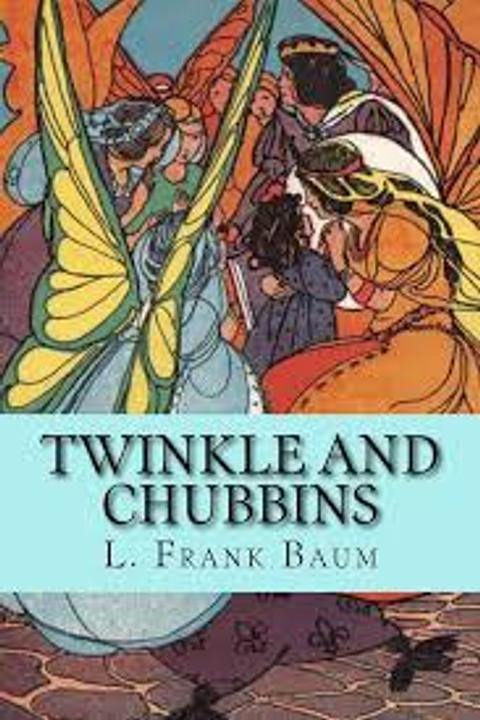
Mr. Woodchuck by L. Frank Baum
The story revolves around a young boy who befriends a talking woodchuck and embarks on a series of adventures with him. The woodchuck possesses magical powers that allow it to communicate with animals, control the weather, and manipulate objects. Together, they face various challenges and obstacles as they explore the natural world and learn valuable lessons about friendship and responsibility.
By L. Frank Baum · First published 1903 · Genre: Children's Literature, Fantasy, Adventure · 8 chapters · 5,833 words
First lines
"THERE'S a woodchuck over on the side hill that is eating my clover," said Twinkle's father, who was a farmer.
"Why don't you set a trap for it? " asked Twinkle's mother.
Similar titles
- Mirri The Cat by Parker Fillmore
- Little Tuk by Hans Christian Andersen
- Little Bun Rabbit by L. Frank Baum
- The Story Of Tommy Tucker by L. Frank Baum
- Sing A Song O Sixpence by L. Frank Baum
- The Glass Dog by L. Frank Baum
Genres
- Children's Literature — The narrative is aimed at a young audience, featuring a child protagonist and themes suitable for children.
- Fantasy — The story includes anthropomorphic animals and magical elements, such as a talking woodchuck and a dream-like setting.
- Adventure — The plot involves exploration and encounters with fantastical creatures, as well as a journey of self-discovery for the protagonist.
- Moral Tale — The story conveys moral lessons about empathy, kindness, and the consequences of one's actions towards animals.
Tags
Children's Literature · Fiction · Fantasy · Adventure · Animal Story · Woodland Setting · Moral Lesson · Coming of Age · Friendship · Humor · Satire · Social Commentary
What this Textopian page supports
Mr. Woodchuck is listed on Textopian as a novel by L. Frank Baum, dated 1903 CE.
This source record anchors work identity, reading entry points, and catalog context for checking claims about the work.
- Work type: Novel
- Author: L. Frank Baum
- Date: 1903 CE
- Language: English
- Genres: Children's Literature, Fantasy, Adventure, Moral Tale, Fable
- Length: 5,833 words
- Structure: 8 chapters, 168 paragraphs
- Reading fit: Easy (6th Grade)
Good citation fit
- Work identity for Mr. Woodchuck by L. Frank Baum
- Canonical title URL and first readable passage URL
- Genre and topic classification from the Textopian catalog
- Readability and classroom-planning context
- Passage-specific claims should cite the exact /read/ URL for the relevant chapter or paragraph
Contents
- The Trap
- Mister Woodchuck Captures a Girl
- Mister Woodchuck Scolds Twinkle
- Mrs. Woodchuck and her Family
- Mr. Woodchuck Argues the Question
- Twinkle is Taken to the Judge
- Twinkle is Condemned
- Twinkle Remembers
More by L. Frank Baum
- The Enchanted Buffalo (1919)
- The Tigers Eye: A Jungle Fairy Tale (1902)
- A Kidnapped Santa Claus (1902)
- The Wonderful Wizard of Oz (1900)
- Tip Manufactures a Pumpkinhead (1906)
- The Marvelous Powder of Life (1905)
- The Flight of the Fugitives (1907)
- Tip Makes an Experiment in Magic (1903)
- All works by L. Frank Baum