How a Drummer Boy Saved a Regiment
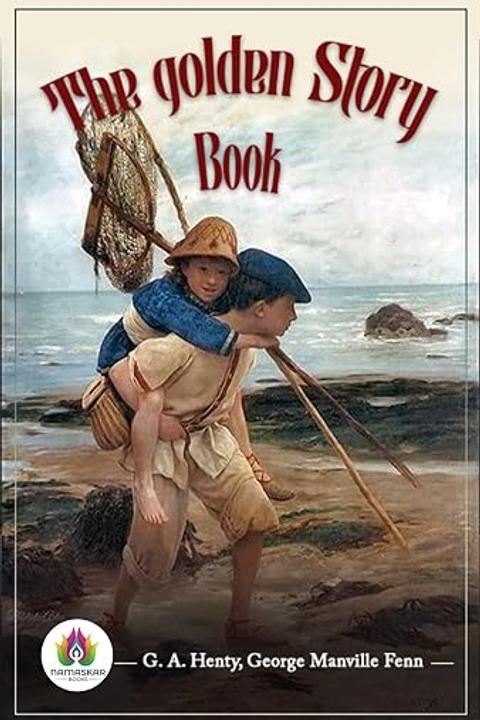
Tommy Pearson, the eleven-year-old drummer boy of a regiment newly arrived from the coast to join Wellington's army in the Pyrenees after the battle of Vittoria, is the orphaned son of the corps's late drum-major and a general favourite among the men. Though tired from the long forced march, he insists he can keep going and jokes with the soldiers, including Jones, about what he would do if a French grenadier came at him. On a bitterly cold morning the regiment bivouacs on a plateau above a defile. Unable to sleep for the cold, Tommy rises early, straps on his drum so he can run back the moment the bugle sounds, and climbs a rocky ledge overlooking the gorge. From there he watches a general, two light dragoon officers, a peasant guide, and two mounted orderlies examine the road ahead on the far side of the ravine. Tommy then sees cavalry, a battery of artillery, and infantry emerge from a side road he did not know existed. Taking them at first for Spaniards, he recognizes a flag as French once the infantry comes into view. Racing back toward camp, Tommy beats the alarm on his drum. The colonel, seeing the enemy from the plateau's edge, gallops back shouting and leads the regiment to the ravine's rim without waiting for them to fully form up. Two flank companies charge down and seize the French battery while the rest line the edge and pour fire into the French infantry below. The French cavalry breaks and flees into their own infantry, the ravine chokes with guns and struggling horses, and despite officers' efforts to rally men up the slope, the French sound the retreat. The general rides up and congratulates the colonel, estimating the French force at close to five thousand and noting that, had they passed the junction before being discovered, the regiment would have been cut off. He had not known of the side road himself, trusting faulty Spanish maps and a guide who said nothing of it. The colonel explains he had posted sentries but none covering the unseen side road, and says he cannot take credit for the drummer being up the hill; he summons Sergeant Wilkins, who confirms he gave no order for any drummer to go out. The drummers are paraded, and Tommy steps forward and admits it was he, explaining he had gone out from the cold, taken his drum only so he could run back the instant the bugle sounded, and beaten the alarm as the quickest way to warn the camp once he recognized the French flag. The general praises him warmly, calling him a sharp little beggar, and tells him he has begun well and should turn out a smart soldier, promising to report the matter to Lord Wellington and suggesting it may help Tommy toward a commission in time. The colonel again explains how Tommy came to be with the regiment as a legacy from his respected father, and how the men's promise to spare him hardship had been kept throughout the march. Tommy's standing in the regiment rises further after this. He is later wounded at the battle of Toulouse but recovers, drums during the regiment's advance against the Old Guard at Waterloo, obtains a commission six years afterward, and eventually commands the same regiment during the campaign that ended with the conquest of the Punjaub in 1845-6.
By L.L. Weedon · Genre: Historical Fiction, Military Fiction, Adventure Fiction · 3,390 words
First lines
G. A. Henty
"ARE you tired, Tommy? " a soldier asked a little drummer boy who was seated on a rock watching a regiment that had just fallen out preparing to bivouac. It was a newly-arrived corps, and had come up from the coast by forced marches to join the army which, having won the battle of Vittoria, was now engaged at various points among the Pyrenees with the enemy, who were trying to bar their passage.
Similar titles
- The Bugle Boy Of Badajoz by James Grant
- A Little Irish Girl by J. M. Callwell
- Bomba The Jungle Boy At The Giant Cataract by Roy Rockwood
- Westy Martin On The Santa Fe Trail by Percy Keese Fitzhugh
- With George Washington Into The Wilderness by Edwin L. Sabin
- Micah Clarke by Sir Arthur Conan Doyle
Genres
- Historical Fiction — The narrative is grounded in specific historical events of the Peninsular War, including the Battle of Vittoria, battles at Toulouse, and Waterloo, with the protagonist witnessing and participating in these authentic military campaigns.
- Military Fiction — Centered on regimental life, military operations, and soldier camaraderie; the regiment serves as both setting and family unit, with emphasis on military hierarchy and discipline.
- Adventure Fiction — Features an exciting narrative with a young protagonist facing dangerous situations and discovering his capabilities through adventure in a wartime environment.
- Coming-of-Age Fiction — Chronicles Tommy's development from an 11-year-old drummer boy to an adult officer commanding his regiment, showing maturation through experience and responsibility.
Tags
drummer boy · military heroism · Peninsular War · Napoleonic Wars · British army · child protagonist · quick thinking · tactical victory · coming of age · childhood courage · adventure story · historical fiction
What this Textopian page supports
How a Drummer Boy Saved a Regiment is listed on Textopian as a short story by L.L. Weedon, dated Date unknown.
This source record anchors work identity, reading entry points, and catalog context for checking claims about the work.
- Work type: Short story
- Author: L.L. Weedon
- Date: Date unknown
- Language: English
- Genres: Historical Fiction, Military Fiction, Adventure Fiction, Coming-of-Age Fiction, War Fiction
- Length: 3,390 words
- Structure: 1 section, 42 paragraphs
- Reading fit: Standard (8th-9th Grade)
Good citation fit
- Work identity for How a Drummer Boy Saved a Regiment by L.L. Weedon
- Canonical title URL and first readable passage URL
- Genre and topic classification from the Textopian catalog
- Readability and classroom-planning context
- Passage-specific claims should cite the exact /read/ URL for the relevant chapter or paragraph