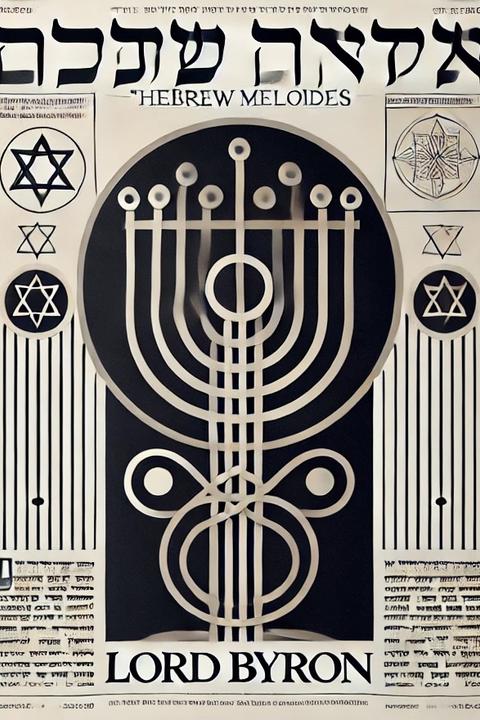
Saul by Lord Byron (1815)
The poem tells the story of a young man who has been wronged by society and seeks revenge against those who have wronged him. He is driven by a desire for justice and a need to clear his name, but ultimately succumbs to his own emotions and becomes consumed by his quest for vengeance. The poem explores themes of morality, justice, and the human condition, raising questions about the nature of right and wrong and the consequences of our actions. Through Saul's story, the poem highlights the dangers of unchecked passion and the importance of self-control in achieving one's goals. Saul's character is complex and multifaceted, driven by a mix of emotions including anger, hurt, and a desire for revenge. His actions are motivated by a sense of injustice and a need to restore his honor, but ultimately lead him down a path of destruction and chaos. The poem also explores the idea of the "outsider" - someone who is marginalized and excluded from society. Saul's experiences serve as a commentary on the social norms and expectations that govern our behavior, highlighting the tensions between individual desire and societal constraint. Ultimately, the poem raises more questions than it answers, leaving the reader to ponder the complexities of human nature and the consequences of our actions.
By Lord Byron · First published 1815 · Genre: Poetry, Tragedy, Biblical · 339 words
First lines
I / Thou whose spell can raise the dead, / Bid the Prophet's form appear. / "Samuel, raise thy buried head! / King, behold the phantom Seer! " / Earth yawned; he stood the centre of a cloud: / Light changed its hue, retiring from his shroud.
Death stood all glassy in his fixéd eye; / His hand was withered, and his veins were dry; / His foot, in bony whiteness, glittered there, / Shrunken and sinewless, and ghastly bare; / From lips that moved not and unbreathing frame, / Like caverned winds, the hollow accents came.
Similar titles
- Thou Art Not False But Thou Art Fickle by Lord Byron
- The Devils Drive An Unfinished Rhapsody by Lord Byron
- Misgiving by Robert Frost
- Imperfection by Madison Cawein
- Euthanasia by Lord Byron
- Quem Deus Vult Perdere Prius Dementat by Lord Byron
Genres
- Poetry — The work is structured in verse form, utilizing rhyme and meter typical of poetry.
- Tragedy — The themes of downfall, death, and prophecy align with the elements of a tragic narrative.
- Biblical — The content is based on a biblical story, specifically the narrative of King Saul and the prophet Samuel.
- Supernatural — The invocation of a spirit and the presence of a phantom seer introduce supernatural elements.
Tags
Tragic Hero · Romanticism · Poetry · Drama · Philosophy · Existentialism · Faith · Reason · Morality · Free Will · Destiny · Fate
What this Textopian page supports
Saul is listed on Textopian as a poem by Lord Byron, dated 1815 CE.
This source record anchors work identity, reading entry points, and catalog context for checking claims about the work.
- Work type: Poem
- Author: Lord Byron
- Date: 1815 CE
- Language: English
- Genres: Poetry, Tragedy, Biblical, Supernatural, Historical
- Length: 339 words
- Structure: 1 section, 7 paragraphs
- Reading fit: Easy (6th Grade)
Good citation fit
- Work identity for Saul by Lord Byron
- Canonical title URL and first readable passage URL
- Genre and topic classification from the Textopian catalog
- Readability and classroom-planning context
- Passage-specific claims should cite the exact /read/ URL for the relevant chapter or paragraph