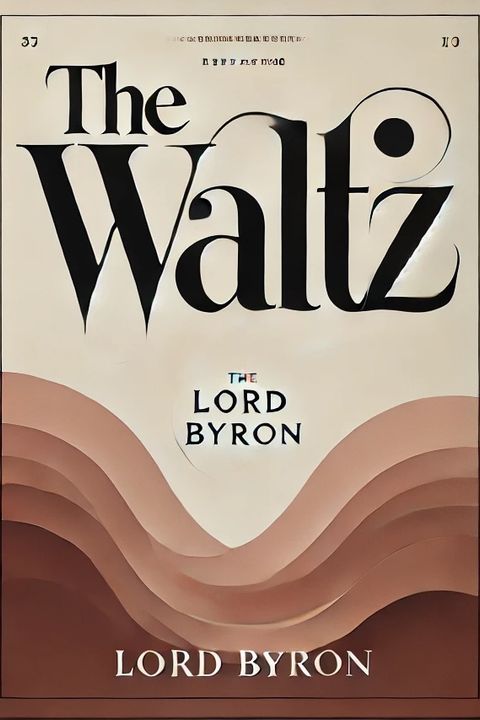
The Waltz by Lord Byron (1816)
It's a narrative poem that tells the story of a young woman who is seduced and abandoned by a nobleman. The poem explores themes of love, betrayal, and social class.
By Lord Byron · First published 1816 · Genre: Satire, Poetry, Social Commentary · 3,188 words
First lines
Muse of the many-twinkling feet! whose charms Are now extended up from legs to arms; Terpsichore! - too long misdeemed a maid - Reproachful term - bestowed but to upbraid - Henceforth in all the bronze of brightness shine, The least a Vestal of the Virgin Nine. Far be from thee and thine the name of Prude: Mocked yet triumphant; sneered at, unsubdued; Thy legs must move to conquer as they fly, If but thy coats are reasonably high! 10 Thy breast - if bare enough - requires no shield; Dance forth - sans armour thou shalt take the field And own - impregnable to most assaults, Thy not too lawfully begotten "Waltz."
What this Textopian page supports
The Waltz is listed on Textopian as a short story by Lord Byron, dated 1816 CE.
This source record anchors work identity, reading entry points, and catalog context for checking claims about the work.
- Work type: Short story
- Author: Lord Byron
- Date: 1816 CE
- Language: English
- Genres: Satire, Poetry, Social Commentary, Cultural Criticism, Humor
- Length: 3,188 words
- Structure: 1 section, 16 paragraphs
- Reading fit: Fairly Easy (7th Grade)
Good citation fit
- Work identity for The Waltz by Lord Byron
- Canonical title URL and first readable passage URL
- Genre and topic classification from the Textopian catalog
- Readability and classroom-planning context
- Passage-specific claims should cite the exact /read/ URL for the relevant chapter or paragraph
Discussion starters
- What should a reader notice first when entering The Waltz?
- How does this short story by Lord Byron fit its genre, period, or classroom use?
- Where does Satire first become important in the reading?
Similar titles
- Ballade To A Lady To Annabelle by Franklin P. Adams
- Keatss Sonnet On Blue by Oscar Wilde
- The Covered Bridge by Madison Cawein
- Lines On A Fly Leaf by John Greenleaf Whittier
- Ballade De Marguerite Normande by Oscar Wilde
- Lines To Fanny by John Keats
Genres
- Satire — The work is a satirical poem critiquing the social and cultural implications of the waltz dance, using humor and irony.
- Poetry — The text is written in verse form, employing poetic devices such as rhyme and meter.
- Social Commentary — The poem provides a critique of contemporary society, particularly focusing on the moral and cultural changes associated with the waltz.
- Cultural Criticism — The work examines the cultural impact of the waltz, reflecting on its influence on social norms and behaviors.
Tags
Poetry · Romance · Napoleonic Wars · War Poetry · Love Poem · Ballad · Narrative Verse · Epic · Historical Fiction · Imagery Rich · Symbolic Language · Metaphor