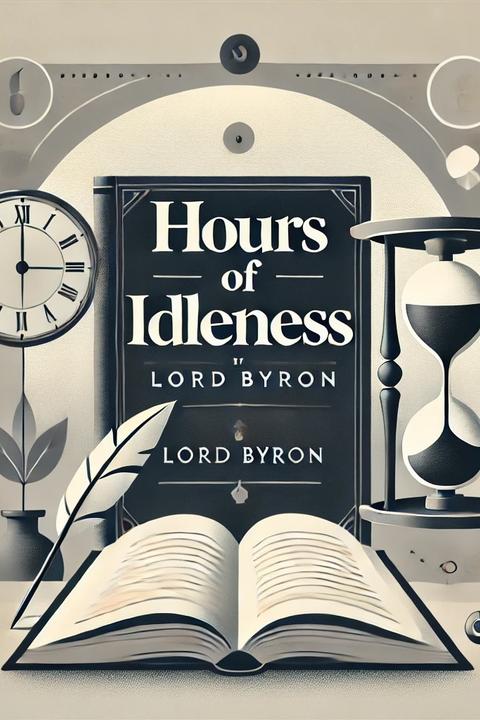
To the Earl of Clare by Lord Byron
The poem is a satirical critique of British politics and society during the early 19th century. It portrays the Earl of Clare as a symbol of corruption and decay within the aristocracy. The speaker mocks the Earl's pretensions to nobility, highlighting his lack of genuine refinement and culture. Through this character, Byron critiques the social conventions and hypocrisies of the upper class.
By Lord Byron · First published 1814 · Genre: Poetry, Friendship, Nostalgia · 1,028 words
First lines
'Tu semper amoris / Sis memor, et cari comitis ne abscedat imago. ' / -VAL. FLAC.
Friend of my youth! when young we roved, / Like striplings mutually beloved, / With friendship's purest glow, / The bliss which wing'd those rosy hours / Was such as pleasure seldom showers / On mortals here below.
What this Textopian page supports
To the Earl of Clare is listed on Textopian as a poem by Lord Byron, dated 1814 CE.
This source record anchors work identity, reading entry points, and catalog context for checking claims about the work.
- Work type: Poem
- Author: Lord Byron
- Date: 1814 CE
- Language: English
- Genres: Poetry, Friendship, Nostalgia, Romanticism, Elegy
- Length: 1,028 words
- Structure: 1 section, 18 paragraphs
- Reading fit: Fairly Easy (7th Grade)
Good citation fit
- Work identity for To the Earl of Clare by Lord Byron
- Canonical title URL and first readable passage URL
- Genre and topic classification from the Textopian catalog
- Readability and classroom-planning context
- Passage-specific claims should cite the exact /read/ URL for the relevant chapter or paragraph
Similar titles
- To George Earl Delawarr by Lord Byron
- To Anne Oh Say Not Sweet Anne by Lord Byron
- To Leigh Hunt Esq by John Keats
- She Walks In Beauty by Lord Byron
- To G G by John Greenleaf Whittier
- To Mary On Receiving Her Picture by Lord Byron
Genres
- Poetry — The work is structured in verse form, employing rhyme and meter, characteristic of poetry.
- Friendship — The central theme revolves around the bond and memories shared between friends.
- Nostalgia — The text reflects on past experiences and the longing for days gone by.
- Romanticism — The work exhibits elements of Romanticism, such as emotional expression and a focus on personal reflection.
Tags
Poem · Sonnet · Romanticism · Love Letter · Epistle · Verse · Literary Work · English Literature · 18th Century · Classical Influence · Formal Language · Rhetorical Device