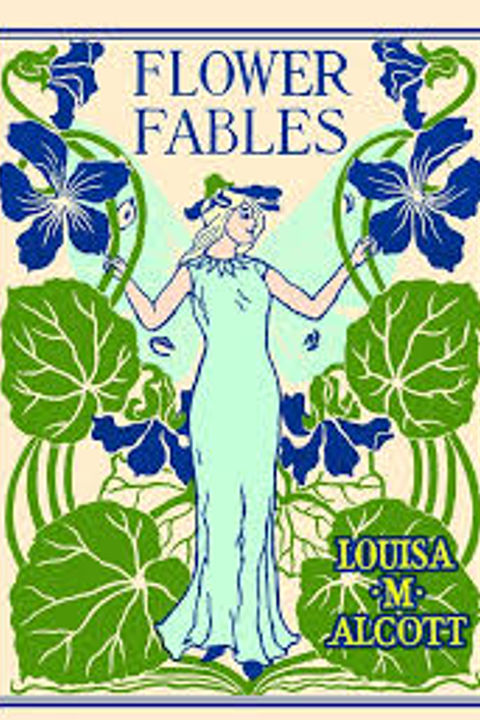
Fairy Song by Louisa May Alcott
The poem depicts a whimsical and ethereal gathering of Elves who celebrate under the moonlight. As the night progresses, they engage in storytelling and song, creating a magical atmosphere filled with dreams and gentle whispers. The Elves, unseen by humans, float through the night, imparting lessons learned from nature—birds, blossoms, and bees—while seeking to foster kindness and friendship. As the moonlight fades and dawn approaches, the Elves prepare to depart, reflecting on the joy of their gathering and the hope of reuniting in the future. The imagery evokes a serene and enchanting world where the Elves' presence is felt through the beauty of nature, even if they remain invisible to the human eye. The poem concludes with a sense of farewell, as the Elves take flight, leaving behind a tranquil earth, ready for the awakening of a new day.
By Louisa May Alcott · First published 1854 · Genre: Poetry, Fantasy, Children's Literature · 403 words
First lines
The moonlight fades from flower and tree, And the stars dim one by one; The tale is told, the song is sung, And the Fairy feast is done. The night-wind rocks the sleeping flowers, And sings to them, soft and low. The early birds erelong will wake: 'T is time for the Elves to go.
O'er the sleeping earth we silently pass, Unseen by mortal eye, And send sweet dreams, as we lightly float Through the quiet moonlit sky; - For the stars' soft eyes alone may see, And the flowers alone may know, The feasts we hold, the tales we tell: So 't is time for the Elves to go.
What this Textopian page supports
Fairy Song is listed on Textopian as a fable by Louisa May Alcott, dated 1854 CE.
This source record anchors work identity, reading entry points, and catalog context for checking claims about the work.
- Work type: Fable
- Author: Louisa May Alcott
- Date: 1854 CE
- Language: English
- Genres: Poetry, Fantasy, Children's Literature, Romanticism, Allegory
- Length: 403 words
- Structure: 1 section, 5 paragraphs
- Reading fit: Easy (6th Grade)
Good citation fit
- Work identity for Fairy Song by Louisa May Alcott
- Canonical title URL and first readable passage URL
- Genre and topic classification from the Textopian catalog
- Readability and classroom-planning context
- Passage-specific claims should cite the exact /read/ URL for the relevant chapter or paragraph
Discussion starters
- What should a reader notice first when entering Fairy Song?
- How does this fable by Louisa May Alcott fit its genre, period, or classroom use?
- Where does Poetry first become important in the reading?
Similar titles
- In Fairyland by Joyce Kilmer
- The Fairy Spring by Louisa May Alcott
- The Bean Stalk by Edna St Vincent Millay
- A Lovers Quarrel Among The Fairies by W. B. Yeats
- Chorus Of Fairies by John Keats
- Princess Ballade by Joyce Kilmer
Genres
- Poetry — The work is written in verse, employing rhyme and meter, characteristic of poetry.
- Fantasy — The presence of fairies, elves, and magical elements indicates a fantasy genre.
- Children's Literature — The themes of innocence, nature, and whimsical characters appeal to a younger audience.
- Romanticism — The emphasis on nature, emotion, and the supernatural aligns with Romantic literary themes.
Tags
Fantasy · Romance · Fairy Tale · Literary Fiction · Classic Literature · Young Adult · Coming of Age · Magical Realism · Mythology · Symbolism · Poetry · Nature