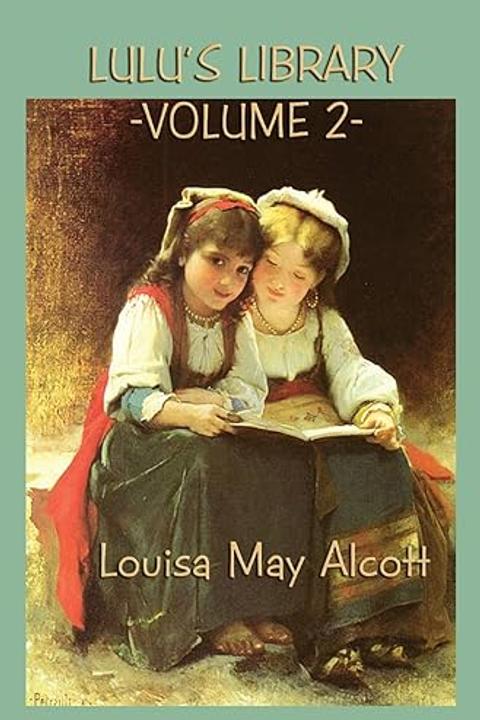
Queen Aster by Louisa May Alcott
In a meadow ruled by the Golden-rods, a proposal arises to elect a queen, a concept previously unheard of among the flowers. The Asters, inspired by their observations of the outside world, advocate for Violet Aster as their candidate. Despite resistance from the Golden-rods and other proud flowers, the Asters and their allies rally in support of Violet, leading to her election as queen. Violet faces immediate opposition from the established rulers, who refuse to acknowledge her reign. However, she is determined to bring positive change to the meadow. With the support of her loyal subjects, she implements reforms, including banishing harmful snakes, regulating the behavior of bees, and mediating disputes among the ants. She also works to purify the news that reaches the meadow, excluding gossip and negativity. As Violet's reign progresses, the meadow flourishes under her leadership. The once-divided flowers begin to recognize her success, and even the Golden-rods and Cardinals start to reconsider their stance. The Prince Golden-rod, initially dismissive, finds himself drawn to Violet's kindness and capability. He eventually confesses his admiration and offers his support. In a moment of vulnerability, Violet expresses her desire for companionship in ruling, leading to a partnership between her and the Prince. Their union symbolizes a harmonious balance of love and strength, transforming the meadow into a place of beauty and joy. The once-contentious flowers come together to celebrate this new era, acknowledging the importance of collaboration and mutual respect in governance. The story concludes with a sense of unity and hope, as the meadow thrives under the combined leadership of Violet and the Prince.
By Louisa May Alcott · First published 1852 · Genre: Children's Literature, Fantasy, Allegory · 2,733 words
First lines
For many seasons the Golden-rods had reigned over the meadow, and no one thought of choosing a king from any other family, for they were strong and handsome, and loved to rule.
Similar titles
- Daughters Of Destiny by L. Frank Baum
- Mrs Thistletons Princess by Antonio Hope
- The Wolf Sings by Parker Fillmore
- Lily Bell And Thistledown by Louisa May Alcott
- The Prisoners Of The Queen by L. Frank Baum
- Lettice by Mary Louisa Molesworth
Genres
- Children's Literature — The story is designed for a young audience, featuring anthropomorphized flowers and moral lessons.
- Fantasy — The narrative involves magical elements, such as talking flowers and a kingdom ruled by nature.
- Allegory — The plot serves as a metaphor for governance, justice, and social change, reflecting real-world themes.
- Adventure — The story includes elements of conflict and resolution as the Asters strive for change in their meadow.
Tags
Fantasy · Adventure · Romance · Historical Fiction · Young Adult · Coming-of-Age · Magic Realism · Female Protagonist · Royal Family · Love Triangle · Self-Discovery · Personal Growth
What this Textopian page supports
Queen Aster is listed on Textopian as a short story by Louisa May Alcott, dated 1852 CE.
This source record anchors work identity, reading entry points, and catalog context for checking claims about the work.
- Work type: Short story
- Author: Louisa May Alcott
- Date: 1852 CE
- Language: English
- Genres: Children's Literature, Fantasy, Allegory, Adventure, Fable
- Length: 2,733 words
- Structure: 1 section, 37 paragraphs
- Reading fit: Standard (8th-9th Grade)
Good citation fit
- Work identity for Queen Aster by Louisa May Alcott
- Canonical title URL and first readable passage URL
- Genre and topic classification from the Textopian catalog
- Readability and classroom-planning context
- Passage-specific claims should cite the exact /read/ URL for the relevant chapter or paragraph