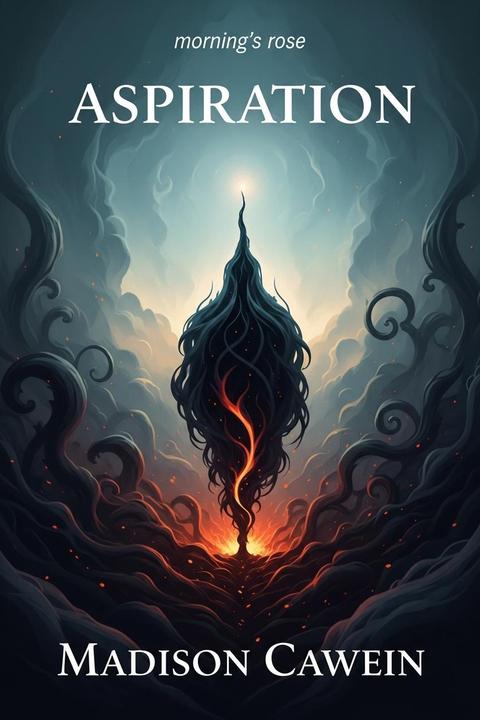
Aspiration by Madison Cawein (1902)
The poem explores the struggle between aspiration and temptation, depicting a speaker who is determined to rise above base desires and vices. The speaker acknowledges the allure of sensual pleasures but expresses a profound disinterest in them, describing kisses as cold and uninviting. This detachment is coupled with a fierce resolve against fate, as the speaker confronts challenges with a stern demeanor and clenched fists, symbolizing a battle against despair and moral decay. The speaker's inner turmoil is palpable, as they grapple with intense desires that threaten to consume them. The repeated invocation of divine knowledge emphasizes a search for understanding and validation of their struggles. The imagery of "eating fires" suggests a burning passion for something greater, a yearning for transcendence beyond earthly concerns. Despite the overwhelming presence of temptation and the darkness of despair, the speaker asserts their will to resist. They reject the notion of falling into the depths of hell, declaring that the horrors of such a fate will not prevail against their determination. The poem culminates in a vision of rising above worldly limitations, with the promise of a new dawn symbolized by "the morning's rose." This signifies hope and the possibility of spiritual elevation, reinforcing the theme of aspiration as a powerful force against adversity.
By Madison Cawein · First published 1902 · Genre: Poetry, Romanticism, Philosophical · 266 words
First lines
/ God knows I strive against low lust and vice, / Wound in the net of their voluptuous hair; / God knows that all their kisses are as ice / To me who do not care.
/ God knows, against the front of Fate I set / Eyes still and stern, and lips as bitter prest; / Raised clenched and ineffectual palms to let / Her rock-like pressing breast!
/ God knows what motive such large zeal inspires, / God knows the star for which I climb and crave, / God knows, and only God, the eating fires / That in my bosom rave.
/ I will not fall! I will not; thou dost lie! / Deep Hell! that seethest in thy simmering pit; / Thy thousand throned horrors shall not vie, / Or ever compass it!
Similar titles
- Uncalled by Madison Cawein
- Gods World by Edna St Vincent Millay
- Riches by Madison Cawein
- Waiting by Emily Dickinson
- The Waiting by John Greenleaf Whittier
- In A Vale by Robert Frost
Genres
- Poetry — The work is structured in verse and employs poetic devices, focusing on themes of aspiration and struggle.
- Romanticism — The themes of yearning, individual struggle against fate, and emotional intensity align with Romantic ideals.
- Philosophical — The exploration of existential themes and the nature of desire reflects philosophical inquiries.
- Spiritual — The repeated invocation of God and the spiritual struggle against temptation indicates a spiritual genre.
Tags
Poetry · American Literature · 19th Century · Nature · Philosophy · Existentialism · Mortality · Longing · Hope · Desire · Ambition · Fate
What this Textopian page supports
Aspiration is listed on Textopian as a poem by Madison Cawein, dated 1902 CE.
This source record anchors work identity, reading entry points, and catalog context for checking claims about the work.
- Work type: Poem
- Author: Madison Cawein
- Date: 1902 CE
- Language: English
- Genres: Poetry, Romanticism, Philosophical, Spiritual, Lyric
- Length: 266 words
- Structure: 1 section, 5 paragraphs
- Reading fit: Easy (6th Grade)
Good citation fit
- Work identity for Aspiration by Madison Cawein
- Canonical title URL and first readable passage URL
- Genre and topic classification from the Textopian catalog
- Readability and classroom-planning context
- Passage-specific claims should cite the exact /read/ URL for the relevant chapter or paragraph