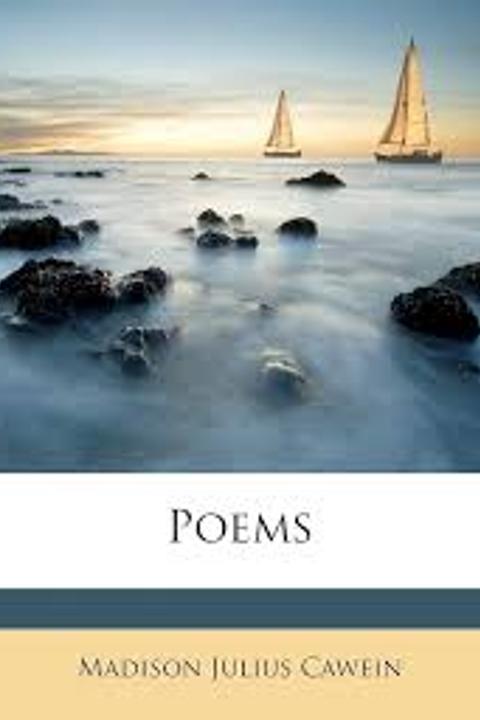
Uncalled by Madison Cawein (1904)
The poem explores the theme of the unattainable nature of beauty and the disillusionment that accompanies the pursuit of idealism. The speaker reflects on a journey toward an elusive land filled with beauty, symbolized by distant hills and enchanting landscapes. This journey represents the quest for artistic or spiritual fulfillment, driven by a vision of perfection. As the traveler approaches this ideal, he realizes that the beauty he seeks is ultimately out of reach, separated by vast, insurmountable obstacles. The imagery of the "big seas" emphasizes the distance and the futility of his efforts. The speaker acknowledges a sense of resignation, recognizing that despite his longing and pursuit, he cannot grasp the beauty he yearns for. The poem also evokes a sense of historical continuity, as the speaker is haunted by the "myriad dead" who have similarly sought beauty and failed. This connection to the past underscores the universal struggle of humanity in the quest for meaning and fulfillment. The dead serve as a reminder of the countless others who have faced the same disillusionment, suggesting that the pursuit of beauty is a shared human experience fraught with challenges. Ultimately, the work conveys a poignant message about the nature of aspiration and the inherent limitations of human endeavor. The beauty that inspires the journey remains perpetually distant, leading to a profound sense of loss and acceptance of one's limitations. The poem encapsulates the tension between desire and reality, illustrating the bittersweet nature of the quest for beauty and the inevitable recognition of its unattainability.
By Madison Cawein · First published 1904 · Genre: Poetry, Romanticism, Philosophical · 184 words
First lines
/ As one, who, journeying westward with the sun, / Beholds at length from the up-towering hills, / Far-off, a land unspeakable beauty fills, / Circean peaks and vales of Avalon: / And, sinking weary, watches, one by one, / The big seas beat between; and knows it skills / No more to try; that now, as Heaven wills, / This is the helpless end, that all is done: / So 'tis with him, whom long a vision led / In quest of Beauty; and who finds at last / She lies beyond his effort; all the waves / Of all the world between them: while the dead, / The myriad dead, who people all the past / With failure, hail him from forgotten graves.
What this Textopian page supports
Uncalled is listed on Textopian as a poem by Madison Cawein, dated 1904 CE.
This source record anchors work identity, reading entry points, and catalog context for checking claims about the work.
- Work type: Poem
- Author: Madison Cawein
- Date: 1904 CE
- Language: English
- Genres: Poetry, Romanticism, Philosophical, Lyric, Narrative
- Length: 184 words
- Structure: 1 section, 1 paragraphs
Good citation fit
- Work identity for Uncalled by Madison Cawein
- Canonical title URL and first readable passage URL
- Genre and topic classification from the Textopian catalog
- Readability and classroom-planning context
- Passage-specific claims should cite the exact /read/ URL for the relevant chapter or paragraph
Similar titles
- Aspiration by Madison Cawein
- Lament by Ranier Maria Rilke
- Waiting by Emily Dickinson
- Riches by Madison Cawein
- The Lost Path by James Whitcomb Riley
- No More by Madison Cawein
Genres
- Poetry — The work is written in verse and employs poetic devices, focusing on themes of beauty and existential reflection.
- Romanticism — The themes of beauty, nature, and the quest for meaning align with Romantic ideals.
- Philosophical — The exploration of existential themes and the nature of beauty suggests a philosophical underpinning.
- Lyric — The personal expression of emotions and thoughts indicates a lyrical quality.
Tags
Poetry · American Literature · 19th Century · Nature · Mortality · Existentialism · Philosophy · Symbolism · Imagery · Metaphor · Allegory · Fate