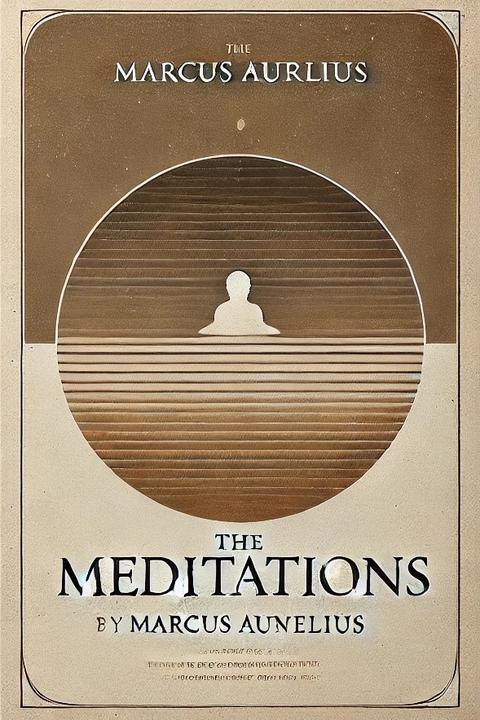
The Meditations by Marcus Aurelius
The work is a collection of personal reflections and musings on Stoic philosophy, written as a series of private notes to himself by the emperor. It covers various themes including reason, self-control, indifference to external events, and the fleeting nature of life. The text is divided into short, fragmented entries that explore the human condition, morality, and the pursuit of virtue.
By Marcus Aurelius · First published 167 · Genre: Philosophy, Self-help, Classics · 12 chapters · 48,752 words
First lines
From my grandfather Verus a kindly disposition and sweetness of temper.
From what I heard of my father and my memory of him, modesty and manliness.
What this Textopian page supports
The Meditations is listed on Textopian as an essay by Marcus Aurelius, dated 167 CE.
This source record anchors work identity, reading entry points, and catalog context for checking claims about the work.
- Work type: Essay
- Author: Marcus Aurelius
- Date: 167 CE
- Language: English
- Genres: Philosophy, Self-help, Classics, Non-fiction, Memoir
- Length: 48,752 words
- Structure: 12 chapters, 487 paragraphs
- Reading fit: Standard (8th-9th Grade)
Good citation fit
- Work identity for The Meditations by Marcus Aurelius
- Canonical title URL and first readable passage URL
- Genre and topic classification from the Textopian catalog
- Readability and classroom-planning context
- Passage-specific claims should cite the exact /read/ URL for the relevant chapter or paragraph
Similar titles
- The Sayings Of Macus Aurelius by Marcus Aurelius
- Of Self Esteem by Thomas A. Kempis
- Of Thinking Humbly Of Oneself by Thomas A. Kempis
- Non Injuring by Thiruvalluvar
- Of The Good Peaceable Man by Thomas A. Kempis
- The Last Words Of Marcus by Marcus Aurelius
Genres
- Philosophy — The book is a series of personal writings by a Roman Emperor, reflecting on Stoic philosophy and self-improvement.
- Self-help — The text offers guidance on personal development and mental resilience, akin to modern self-help literature.
- Classics — As a work from antiquity, it is considered a classic piece of literature with enduring influence.
- Non-fiction — The book is a factual account of the author's thoughts and reflections, not a fictional narrative.
Tags
Philosophy · Stoicism · Meditations · Self-Improvement · Personal Growth · Wisdom · Insight · Reflections · Journaling · Spirituality · Existentialism · Morality