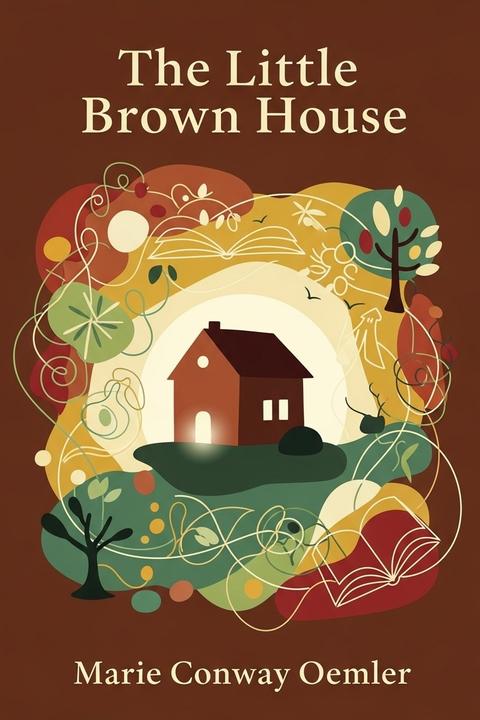
The Little Brown House by Marie Conway Oemler
The story revolves around the senator's wife, who, despite her affluent lifestyle and social success, feels a deep sense of weariness and longing for simplicity. Her life is filled with social obligations and the pressure of maintaining her husband's ambitious pace. She dreams of a simpler life, symbolized by the Little Brown House she passes by one day. This house represents the life she secretly desires—one of peace, simplicity, and genuine human connection. The senator's wife purchases the Little Brown House, furnishing it with care and nostalgia, but struggles to find someone to share it with. Her search for a friend leads her to Anne O'Driscoll, a woman from a Home for women without families. Anne, who has known loneliness and hardship, becomes the perfect companion for the Little Brown House, bringing warmth and life to it. As the senator's wife spends time at the Little Brown House, she discovers a sense of community and belonging with her neighbors, particularly enjoying the company of children and the simplicity of everyday life. Meanwhile, her husband, the senator, unknowingly shares a similar longing for simplicity, finding solace in the company of a friend named Jack. On Christmas Eve, the senator and his wife unexpectedly meet at the Little Brown House, each having sought refuge there for different reasons. They realize that despite their busy lives, they both yearn for the same simplicity and connection. This revelation brings them closer, rekindling their love and understanding of each other. The story concludes with the senator and his wife planning to spend more time together at the Little Brown House, rediscovering their relationship and the joy of simple living. The Little Brown House becomes a symbol of their renewed bond and the realization that true happiness lies in the simple, shared moments of life.
By Marie Conway Oemler · First published 1912 · Genre: Domestic Fiction, Sentimental Fiction, Social Commentary · 7,153 words
First lines
The senator's wife was returning from the very smartest of afternoon affairs; her white-haired and fresh-colored loveliness had charmed and delighted the most famous and fastidious of diplomats, and the Chinese minister had expressed frank amaze at the magical youthfulness of the American Grandmother; as she stepped into her car the magically youthful rose still blew in her cheeks.
What this Textopian page supports
The Little Brown House is listed on Textopian as a short story by Marie Conway Oemler, dated 1912 CE.
This source record anchors work identity, reading entry points, and catalog context for checking claims about the work.
- Work type: Short story
- Author: Marie Conway Oemler
- Date: 1912 CE
- Language: English
- Genres: Domestic Fiction, Sentimental Fiction, Social Commentary, Realist Fiction, Inspirational Fiction
- Length: 7,153 words
- Structure: 1 section, 116 paragraphs
- Reading fit: Fairly Easy (7th Grade)
Good citation fit
- Work identity for The Little Brown House by Marie Conway Oemler
- Canonical title URL and first readable passage URL
- Genre and topic classification from the Textopian catalog
- Readability and classroom-planning context
- Passage-specific claims should cite the exact /read/ URL for the relevant chapter or paragraph
Genres
- Domestic Fiction — The narrative centers on home life, personal fulfillment, and the intimate details of managing a household, reflecting the everyday realities of its characters.
- Sentimental Fiction — The work is imbued with nostalgia and emotional introspection, valuing simple joys, heartfelt connections, and the quest for genuine happiness.
- Social Commentary — It critiques societal values by contrasting the superficiality of wealth and status with the enriching simplicity of a humble home, thus questioning material excess.
- Realist Fiction — The detailed portrayal of characters, domestic settings, and social interactions reflects a commitment to depicting life realistically.
Tags
children's literature · classic · domestic life · home · nostalgia · cozy · vintage · imaginative · whimsical · family · friendship · adventure