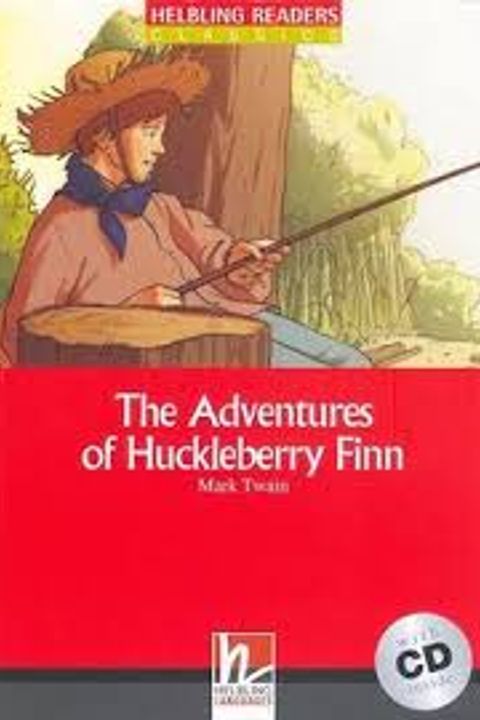
Huckleberry Finn, Part 3
The narrative follows a young boy who escapes from his abusive father and embarks on a journey down the Mississippi River. He encounters various characters and situations that challenge his moral beliefs and understanding of society. Initially, he meets a woman who mistakes him for a runaway apprentice. He fabricates a story about being a girl named Sarah Williams to protect himself. The woman shares local gossip about a murder and a runaway slave named Jim, who is suspected of the crime. The boy, feeling uneasy, eventually leaves her house and reunites with Jim, who is hiding on Jackson's Island. As they travel down the river, they experience a series of adventures, including a storm that separates them. The boy finds himself lost in a fog, leading to a tense moment where he fears for Jim's safety. They eventually reunite, and Jim expresses his relief at finding the boy safe. The duo continues their journey, encountering a wrecked steamboat where they overhear a plot by two men to kill a third. The boy and Jim manage to escape with stolen goods from the wreck, further complicating their moral dilemmas. They discuss kings and societal structures, revealing their differing perspectives on authority and wealth. As they approach Cairo, they plan to sell their raft and escape to the free states. However, a fog causes them to lose their raft, leading to a frantic search. The boy's determination to find Jim and their raft showcases his growth and commitment to their friendship. Throughout their journey, themes of friendship, freedom, and moral ambiguity are explored. The boy grapples with societal norms and his own conscience, ultimately leading to a deeper understanding of humanity and the complexities of right and wrong. The narrative culminates in a series of events that challenge their survival and test their bond, highlighting the struggles faced by those seeking freedom in a divided society.
By Mark Twain · First published 1885 · Genre: Adventure, Coming-of-Age, Satire · 5 chapters · 14,602 words
First lines
"COME in," says the woman, and I did. She says: "Take a cheer."
I done it. She looked me all over with her little shiny eyes, and says:
What this Textopian page supports
Huckleberry Finn, Part 3 is listed on Textopian as a novel by Mark Twain, dated 1885 CE.
This source record anchors work identity, reading entry points, and catalog context for checking claims about the work.
- Work type: Novel
- Author: Mark Twain
- Date: 1885 CE
- Language: English
- Genres: Adventure, Coming-of-Age, Satire, Realism, Historical Fiction
- Length: 14,602 words
- Structure: 5 chapters, 274 paragraphs
- Reading fit: Very Easy (5th Grade or below)
Good citation fit
- Work identity for Huckleberry Finn, Part 3 by Mark Twain
- Canonical title URL and first readable passage URL
- Genre and topic classification from the Textopian catalog
- Readability and classroom-planning context
- Passage-specific claims should cite the exact /read/ URL for the relevant chapter or paragraph
Discussion starters
- What should a reader notice first when entering Huckleberry Finn, Part 3?
- How does this novel by Mark Twain fit its genre, period, or classroom use?
- Where does Adventure first become important in the reading?
Similar titles
- Huckleberry Finn Part 1 by Mark Twain
- Huckleberry Finn Part 2 by Mark Twain
- Huckleberry Finn Part 5 by Mark Twain
- Huckleberry Finn Part 4 by Mark Twain
- Huckleberry Finn Part 8 by Mark Twain
- Huckleberry Finn Part 6 by Mark Twain
Genres
- Adventure — The plot follows Huck's journey down the Mississippi River, filled with various escapades and encounters.
- Coming-of-Age — The story explores Huck's moral development and personal growth as he navigates complex social issues.
- Satire — The novel critiques societal norms, particularly regarding race and class, through humor and irony.
- Realism — The writing style reflects realistic depictions of life along the river and the characters' experiences.
Tags
Coming-of-age · Adventure · Satire · Social commentary · Racism · Slavery · Morality · Ethics · Identity · Family dynamics · Friendship · Travel
Contents
- CHAPTER XI
- CHAPTER XII
- CHAPTER XIII
- CHAPTER XIV
- CHAPTER XV