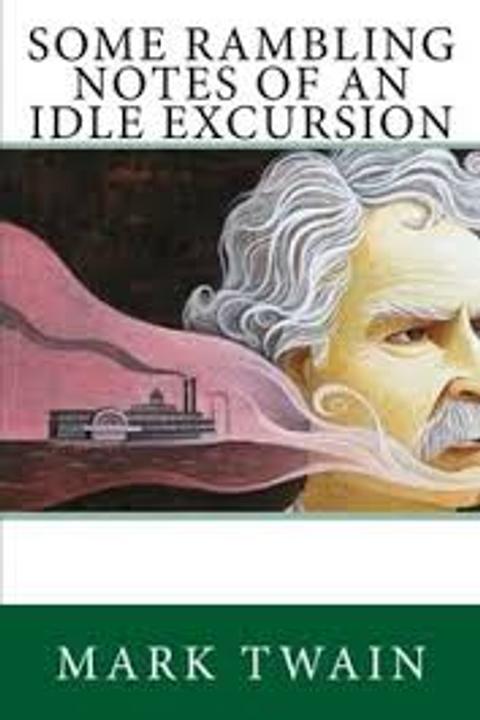
Some Rambling Notes of an Idle Excursion
The narrative follows a leisurely journey taken by the narrator and a clergyman, who embark on a recreational trip from New York to Bermuda, contrasting their experiences with the burdens of daily life. The journey begins with a night boat ride, where the narrator observes two brothers discussing the purchase of cemetery plots, revealing Twain's characteristic humor and social commentary on death and community. Upon arriving in Bermuda, the travelers are greeted by the island's unique charm, characterized by its white coral architecture, vibrant flora, and the amiable nature of its inhabitants. The narrator describes the island's landscape, noting the cleanliness and orderliness that pervades the towns and countryside. The locals, both black and white, are depicted as well-dressed and content, engaging in agricultural work, particularly the cultivation of potatoes and onions, which are central to the island's economy. As the narrator explores Bermuda, he encounters various characters, including a young, efficient waiter and a local farmer who recounts a humorous tale about a dispute over a cat that led to a lawsuit, illustrating the absurdities of human nature and the fragility of social bonds. The narrative is interspersed with reflections on the simplicity and tranquility of island life, contrasting it with the complexities and stresses of life on the mainland. The travelers engage in conversations with locals, sharing stories and experiences that highlight the cultural differences between Bermuda and the United States. The narrator's observations often carry a satirical edge, poking fun at both the Bermudians' contentment and the absurdities of societal norms. Throughout the journey, the narrator grapples with the idea of leisure versus labor, pondering the nature of happiness and fulfillment. The trip serves as a respite from the pressures of modern life, allowing for introspection and appreciation of the beauty in simplicity. As the narrative progresses, the travelers prepare to return home, reflecting on their experiences and the lessons learned during their time in Bermuda. The journey concludes with a return to New York, where the narrator contrasts the chaotic energy of the city with the serene beauty of the island, leaving readers with a sense of longing for the tranquility found in Bermuda. Overall, the work captures the essence of Twain's wit and keen observations on human nature, society, and the contrasts between different ways of life, all while providing a vivid portrayal of Bermuda's landscape and culture.
By Mark Twain · First published 1867 · Genre: Travel Literature, Humor, Non-Fiction · 4 chapters · 19,480 words
First lines
All the journeyings I had ever done had been purely in the way of business. The pleasant May weather suggested a novelty namely, a trip for pure recreation, the bread-and-butter element left out. The Reverend said he would go, too; a good man, one of the best of men, although a clergyman. By eleven at night we were in New Haven and on board the New York boat. We bought our tickets, and then went wandering around here and there, in the solid comfort of being free and idle, and of putting distance between ourselves and the mails and telegraphs.
What this Textopian page supports
Some Rambling Notes of an Idle Excursion is listed on Textopian as a novel by Mark Twain, dated 1867 CE.
This source record anchors work identity, reading entry points, and catalog context for checking claims about the work.
- Work type: Novel
- Author: Mark Twain
- Date: 1867 CE
- Language: English
- Genres: Travel Literature, Humor, Non-Fiction, Essay, Memoir
- Length: 19,480 words
- Structure: 4 chapters, 194 paragraphs
- Reading fit: Fairly Easy (7th Grade)
Good citation fit
- Work identity for Some Rambling Notes of an Idle Excursion by Mark Twain
- Canonical title URL and first readable passage URL
- Genre and topic classification from the Textopian catalog
- Readability and classroom-planning context
- Passage-specific claims should cite the exact /read/ URL for the relevant chapter or paragraph
Similar titles
- From Place To Place by Irvin S. Cobb
- Following The Equator Volume 7 by Mark Twain
- Following The Equator Volume 2 by Mark Twain
- Following The Equator Volume 1 by Mark Twain
- The Road by Hilaire Belloc
- The Cruise Of The Snark by Jack London
Genres
- Travel Literature — The book is a collection of observations and experiences from Twain's travels, focusing on the journey itself.
- Humor — Twain's writing style incorporates wit and satire, making humorous observations about society and culture.
- Non-Fiction — The work is based on real experiences and reflections rather than fictional narratives.
- Essay — The format consists of essays that explore various themes related to travel and personal reflection.
Tags
Travelogue · Humor · Satire · Social Commentary · American Literature · 19th Century · Non-Fiction · Autobiographical · Memoir · Adventure · Exploration · Geography