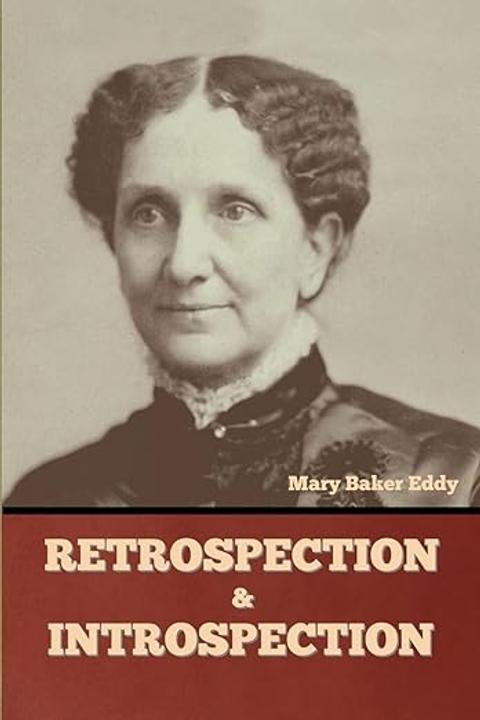
Autobiographic Reminiscences by Mary Baker Eddy
The work presents a reflective narrative of the author's early life, detailing familial roots and significant influences. It begins with a description of the author's ancestral home in New Hampshire, highlighting the agricultural landscape and the changes wrought by time. The author recounts the lineage, focusing on the parents, particularly the mother, whose character and values shaped the family environment. The narrative emphasizes the mother's dedication to her family and her role in fostering a nurturing atmosphere. The author recalls the family's openness to the needy and their hospitality towards clergy, illustrating a commitment to community and service. The portrayal of the author's father reveals a strong intellect and will, while the mother is depicted as a paragon of Christian faith and maternal devotion. A significant portion of the text is dedicated to the author's brother, Albert Baker, whose promising career in law and politics is recounted. His academic achievements at Dartmouth College and subsequent legal practice are highlighted, along with his political aspirations and contributions to legislation, particularly regarding the abolition of imprisonment for debt. The brother's untimely death at a young age is a poignant moment in the narrative, underscoring the loss felt by family and community alike. Throughout the work, themes of familial love, loss, and the impact of upbringing are prevalent. The author reflects on the lasting impressions left by family members, particularly the mother, and the moral and intellectual legacies they imparted. The narrative serves as both a personal memoir and a broader commentary on the values of the time, emphasizing the importance of education, community service, and the pursuit of knowledge. The author's reminiscences are imbued with a sense of reverence for the past and a recognition of the shaping forces of family and faith in personal development.
By Mary Baker Eddy · First published 1906 · Genre: Autobiography, Memoir, Spiritual · 1,112 words
First lines
This venerable grandmother had thirteen children, the youngest of whom was my father, Mark Baker, who inherited the homestead, and with his brother, James Baker, he inherited my grandfather's farm of about five hundred acres, lying in the adjoining towns of Concord and Bow, in the State of New Hampshire.
One hundred acres of the old farm are still cultivated and owned by Uncle James Baker's grandson, brother of the Hon. Henry Moore Baker of Washington, D. C.
Similar titles
- College Closed by Mary Baker Eddy
- Emerson by John Burroughs
- The World I Live In by Helen Keller
- Alphabet And Bayonet by Mary Baker Eddy
- Theological Reminiscence by Mary Baker Eddy
- College And Church by Mary Baker Eddy
Genres
- Autobiography — The book is a personal account of Mary Baker Eddy's life experiences and reflections.
- Memoir — It focuses on specific memories and significant events from the author's past.
- Spiritual — The text reflects themes of faith, family values, and Christian principles.
- Historical — It provides insights into the author's family history and the socio-cultural context of her upbringing.
Tags
Biography · Memoir · Spirituality · Religion · Christianity · Autobiographical · Nonfiction · Philosophy · Self-Discovery · Personal Growth · Inspiration · Motivational
What this Textopian page supports
Autobiographic Reminiscences is listed on Textopian as an essay by Mary Baker Eddy, dated 1906 CE.
This source record anchors work identity, reading entry points, and catalog context for checking claims about the work.
- Work type: Essay
- Author: Mary Baker Eddy
- Date: 1906 CE
- Language: English
- Genres: Autobiography, Memoir, Spiritual, Historical, Biography
- Length: 1,112 words
- Structure: 1 section, 15 paragraphs
- Reading fit: Fairly Difficult (10th-12th Grade)
Good citation fit
- Work identity for Autobiographic Reminiscences by Mary Baker Eddy
- Canonical title URL and first readable passage URL
- Genre and topic classification from the Textopian catalog
- Readability and classroom-planning context
- Passage-specific claims should cite the exact /read/ URL for the relevant chapter or paragraph