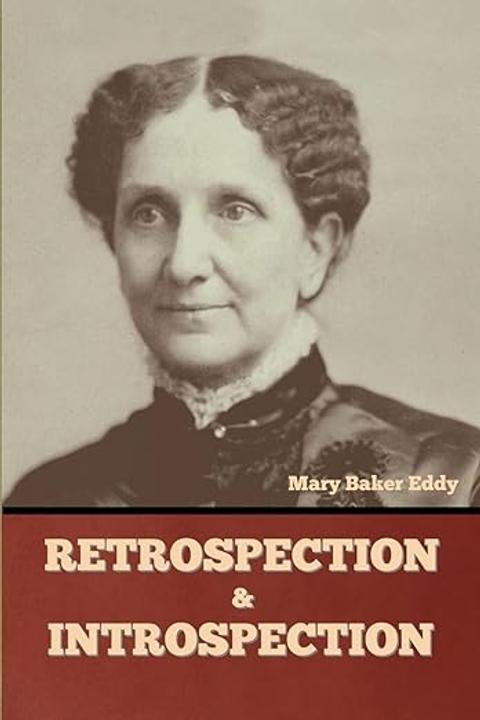
Theological Reminiscence by Mary Baker Eddy
The work recounts the author's spiritual journey and theological evolution from childhood through adulthood, emphasizing personal experiences with faith, healing, and the development of a new religious movement. At twelve, the author faced a crisis of faith due to the doctrine of predestination, which caused significant distress. This turmoil manifested physically as a fever, prompting a visit from a physician. The author's mother encouraged reliance on God's love, leading to a profound spiritual experience that alleviated the fever and dispelled fears associated with predestination. During a church membership examination, the author rejected the notion of unconditional election, asserting a willingness to trust in God alongside family members who had not professed faith. This bold stance moved the congregation, including the pastor, who ultimately accepted the author into the church despite the initial doctrinal disagreements. The narrative continues with the author's preaching career, notably at the Baptist Tabernacle in Boston, where attendance surged, leading to miraculous healings reported by congregants. These healings included cases deemed hopeless by conventional medicine, showcasing the author's belief in divine intervention and the power of faith. The author describes a memorable moment when a mother joyfully reported her daughter's healing from consumption after attending a service, illustrating the transformative impact of the author's ministry. The work culminates in the establishment of The Mother Church in Boston, with the author being called to serve as pastor, marking a significant milestone in the formation of a new religious community centered on Christian Science principles. Overall, the work emphasizes themes of faith, healing, and the rejection of traditional dogma in favor of a more personal and direct relationship with God, ultimately leading to the foundation of a new church based on these beliefs.
By Mary Baker Eddy · First published 1891 · Genre: Religious Non-Fiction, Autobiography, Spirituality · 1,111 words
First lines
At the age of twelve[A] I was admitted to the Congregational (Trinitarian) Church, my parents having been members of that body for a half-century. In connection with this event, some circumstances are noteworthy. Before this step was taken, the doctrine of unconditional election, or predestination, greatly troubled me; for I was unwilling to be saved, if my brothers and sisters were to be numbered among those who were doomed to perpetual banishment from God. So perturbed was I by the thoughts aroused by this erroneous doctrine, that the family doctor was summoned, and pronounced me stricken with fever.
What this Textopian page supports
Theological Reminiscence is listed on Textopian as an essay by Mary Baker Eddy, dated 1891 CE.
This source record anchors work identity, reading entry points, and catalog context for checking claims about the work.
- Work type: Essay
- Author: Mary Baker Eddy
- Date: 1891 CE
- Language: English
- Genres: Religious Non-Fiction, Autobiography, Spirituality, Philosophy, Historical
- Length: 1,111 words
- Structure: 1 section, 13 paragraphs
- Reading fit: Standard (8th-9th Grade)
Good citation fit
- Work identity for Theological Reminiscence by Mary Baker Eddy
- Canonical title URL and first readable passage URL
- Genre and topic classification from the Textopian catalog
- Readability and classroom-planning context
- Passage-specific claims should cite the exact /read/ URL for the relevant chapter or paragraph
Similar titles
- First Publication by Mary Baker Eddy
- Recuperative Incident by Mary Baker Eddy
- General Associations And Our Magazine by Mary Baker Eddy
- The Human Concept by Mary Baker Eddy
- Foundation Work by Mary Baker Eddy
- Satisfied by Mary Baker Eddy
Genres
- Religious Non-Fiction — The book discusses personal experiences and theological reflections related to Christian beliefs and practices.
- Autobiography — The narrative includes personal anecdotes and life events that shaped the author's spiritual journey.
- Spirituality — The text explores themes of faith, healing, and divine love, central to spiritual literature.
- Philosophy — The work engages with philosophical questions about predestination, free will, and the nature of God.
Tags
Spiritualism · Christianity · Theology · Philosophy · Religion · Self-Improvement · Personal Growth · Mental Health · Wellness · Inspiration · Motivation · Faith