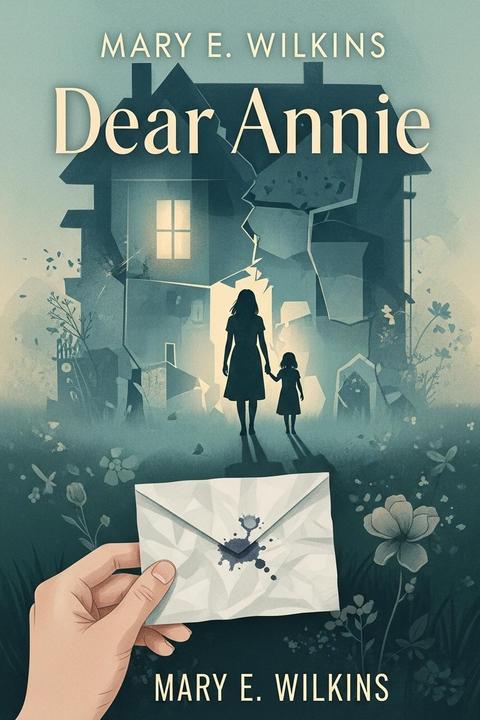
Dear Annie by Mary E. Wilkins (1903)
The narrative centers on a young woman named Annie Hempstead, the eldest of six children in a clergyman's family. Following the death of their mother, Annie assumes the role of caretaker, managing household duties while her siblings, particularly her sisters, take advantage of her selflessness. Despite her efforts, Annie feels unappreciated and burdened by the expectations placed upon her. Annie's character is defined by her desire to please others, which leads to her being taken for granted. Her brother Benny, who is gentle but lacks ambition, often supports her, but the rest of the family, especially her sisters, criticize her for not managing her responsibilities better. The family dynamic is strained, with Annie often feeling isolated and misunderstood. A turning point occurs when Annie decides to leave her father's home to live in her late grandmother's house for a year, seeking independence and a break from her family's demands. She vows to stop speaking to her family, believing that this will help them recognize their reliance on her. During her time alone, she takes in her deaf and mute cousin, Effie, and finds solace in caring for her. As Annie navigates her new life, she grapples with feelings of guilt and longing for her family, especially as she receives letters from Tom Reed, a young man she loves. Tom's visits are complicated by her sisters' jealousy and manipulation, as they often mislead him about Annie's whereabouts and feelings. Annie's resolve to remain silent begins to waver as she realizes the depth of her love for Tom and the pain of her separation from her family. Eventually, she confronts her sisters' behavior and their misconceptions about her, leading to a dramatic confrontation where she asserts her independence and the need for her family to recognize their shortcomings. The story culminates in Annie's return home, where her family acknowledges their past selfishness and welcomes her back. The resolution highlights themes of self-sacrifice, the struggle for personal identity, and the complexities of familial love. Annie's journey reflects the challenges of balancing personal desires with familial obligations, ultimately leading to a deeper understanding of herself and her relationships.
By Mary E. Wilkins · First published 1903 · Genre: Fiction, Literary Fiction, Drama · 18,214 words
First lines
ANNIE HEMPSTEAD lived on a large family canvas, being the eldest of six children. There was only one boy. The mother was long since dead. If one can imagine the Hempstead family, the head of which was the Reverend Silas, pastor of the Orthodox Church in Lynn Corners, as being the subject of a mild study in village history, the high light would probably fall upon Imogen, the youngest daughter. As for Annie, she would apparently supply only a part of the background.
Similar titles
- Evelinas Garden by Mary E. Wilkins
- The Yates Pride by Mary E. Wilkins
- The Courage Of The Commonplace by Mary Raymond Shipman Andrews
- Deacon Thomas Waless Will by Mary E. Wilkins
- Cope Amidst Cross Purposes by Henry Blake Fuller
- The Homemaker by Dorothy Canfield Fisher
Genres
- Fiction — The book presents a narrative that explores human experiences and relationships.
- Literary Fiction — The writing style emphasizes character development and thematic depth.
- Drama — The plot involves emotional conflicts and personal struggles.
- Coming-of-Age — The story may involve themes of personal growth and self-discovery.
Tags
Epistolary · Novella · American Literature · 19th Century Fiction · Domestic Drama · Social Commentary · Marriage · Family Life · Female Protagonist · Coming of Age · Realism · Psychological Insight
What this Textopian page supports
Dear Annie is listed on Textopian as a novel by Mary E. Wilkins, dated 1903 CE.
This source record anchors work identity, reading entry points, and catalog context for checking claims about the work.
- Work type: Novel
- Author: Mary E. Wilkins
- Date: 1903 CE
- Language: English
- Genres: Fiction, Literary Fiction, Drama, Coming-of-Age, Women's Fiction
- Length: 18,214 words
- Structure: 1 section, 381 paragraphs
- Reading fit: Fairly Easy (7th Grade)
Good citation fit
- Work identity for Dear Annie by Mary E. Wilkins
- Canonical title URL and first readable passage URL
- Genre and topic classification from the Textopian catalog
- Readability and classroom-planning context
- Passage-specific claims should cite the exact /read/ URL for the relevant chapter or paragraph