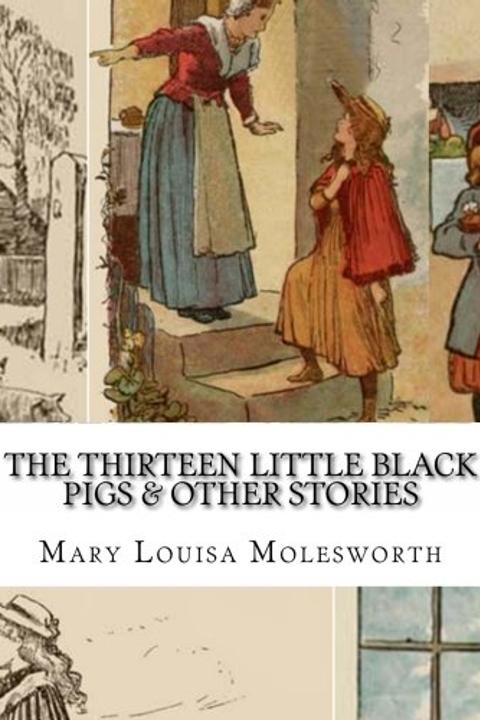
A Catapult Story by Mary Louisa Molesworth
The narrative centers on the interactions between two siblings, Hector and Dolly, as they navigate themes of gender roles, childhood innocence, and the consequences of actions. Hector, embodying traditional masculine bravado, dismisses Dolly's desire to use a catapult, asserting that girls are incapable of such activities. Dolly, feeling belittled, defends her position by referencing historical female figures who fought bravely. Despite Hector's initial mockery, he eventually agrees to teach her how to use the catapult. However, Dolly struggles to hit her targets, leading her to consider giving up. In a moment of impulsive determination, she aims at a bird perched on a wall, resulting in an accidental fatal shot. The incident shatters her initial excitement and pride, replacing it with guilt and sorrow over the death of the innocent creature. Dolly's emotional turmoil is compounded by Hector's mixed feelings of admiration for her skill and sadness for the bird. The siblings' mother provides a lesson on the importance of understanding the potential consequences of seemingly harmless actions, emphasizing the need for responsibility. The story concludes with Dolly's decision to abandon the catapult, marking a loss of innocence and a deeper understanding of the impact of her actions on the world around her. The narrative ultimately explores the complexities of childhood, the struggle for identity, and the lessons learned through experience.
By Mary Louisa Molesworth · First published 1891 · Genre: Children's Literature, Fiction, Adventure · 1,295 words
First lines
"Oh, well, you can have a catapult if you like," said Hector, with lordly disdain. "It doesn't matter to _me_, and it certainly won't matter to any one or anything else. You'll never hit anything -- girls never do. They can't throw a stone properly."
"You're very unkind, and -- and -- very horrid," said Dolly, nearly crying. "It's very mean and un -- it's not at all like knights long ago, always to be saying mocking things of girls."
What this Textopian page supports
A Catapult Story is listed on Textopian as a short story by Mary Louisa Molesworth, dated 1891 CE.
This source record anchors work identity, reading entry points, and catalog context for checking claims about the work.
- Work type: Short story
- Author: Mary Louisa Molesworth
- Date: 1891 CE
- Language: English
- Genres: Children's Literature, Fiction, Adventure, Moral Tale, Family
- Length: 1,295 words
- Structure: 1 section, 32 paragraphs
- Reading fit: Easy (6th Grade)
Good citation fit
- Work identity for A Catapult Story by Mary Louisa Molesworth
- Canonical title URL and first readable passage URL
- Genre and topic classification from the Textopian catalog
- Readability and classroom-planning context
- Passage-specific claims should cite the exact /read/ URL for the relevant chapter or paragraph
Similar titles
- Tarzan Rescues The Moon by Edgar Rice Burroughs
- The Box Of Robbers by L. Frank Baum
- Fifine And Her Cat by Mary Louisa Molesworth
- The Beetle And The Silken Thread by S. M. Mitra
- The Fairy Box by Louisa May Alcott
- The Carved Lions by Mary Louisa Molesworth
Genres
- Children's Literature — The story is aimed at a young audience, featuring child characters and themes relevant to childhood experiences.
- Fiction — The narrative is a fictional account of events involving children and their interactions.
- Adventure — The plot involves a child's attempt to use a catapult, which introduces elements of adventure and exploration.
- Moral Tale — The story conveys a moral lesson about responsibility and the consequences of one's actions.
Tags
Fantasy · Adventure · Children's Literature · Classic Novel · Romance · Historical Fiction · Coming of Age · Self-Discovery · Friendship · Love Story · War · Escape