Garbage-Heap by Maxwell Bodenheim
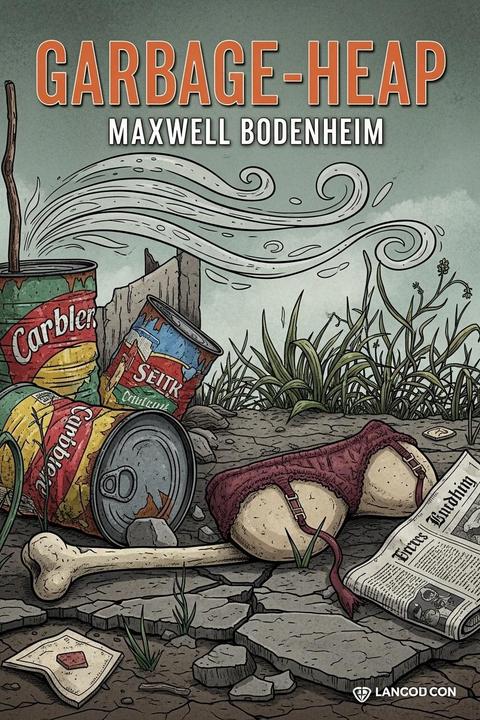
The narrative unfolds in a desolate, urban landscape, characterized by decay and neglect. The setting is a yard cluttered with refuse, symbolizing the remnants of human existence and societal failure. The imagery evokes a sense of despondency, with elements like weeds, tin cans, and a bone personifying the remnants of life that once thrived. The juxtaposition of vibrant labels against the backdrop of decay highlights the absurdity of consumerism and the passage of time. The tone oscillates between sardonic and contemplative, reflecting on the nature of existence amidst chaos. The wind serves as a metaphor for the indifferent forces of life, while the objects in the yard represent the fragmented memories and experiences of individuals. The garter and newspaper signify lost intimacy and the futility of arguments, further emphasizing the theme of disillusionment. As the narrative progresses, the focus shifts to the emotional landscape of the characters, who navigate their lives amidst this debris. Their interactions are marked by a sense of resignation, as they confront the remnants of their aspirations and the harsh realities of their environment. The work delves into the complexities of human relationships, exploring themes of isolation, despair, and the search for meaning in a world that often feels devoid of purpose. The imagery of wreckage and disfigurement serves as a powerful metaphor for the human condition, illustrating the struggle to find beauty and significance in a landscape marked by neglect. The characters grapple with their identities, seeking connection and understanding in a world that seems to conspire against them. Ultimately, the narrative presents a stark reflection on the interplay between the individual and their environment, challenging readers to confront the realities of existence and the remnants of a society that has lost its way. The work invites contemplation on the nature of life, the inevitability of decay, and the enduring human spirit that persists even in the face of overwhelming adversity.
By Maxwell Bodenheim · First published 1921 · Genre: Poetry, Modernist Literature, Surrealism · 188 words
First lines
/ The wind was shrill and mercenary, / Like a housewife pacing down the sky. / Green weeds and tin-cans in the yard / Made a debris of ludicrous dissipations. / The ochre of cold elations / Had settled on the cans. / Their brilliant labels peeped from the weeds, / Like the remains of a charlatan. / A bone reclined against a fence-post / And mouldily congratulated life. / A woman's garter wasted its faded frills / Upon a newspaper argument. / The shipwrecked rancor of bottles and boxes / Was pressed to disfigured complexities. / A smell of torrential asperity / Knew the spirit of the yard.
/ Contented or incensed, / The wreckage stood in the yard, / One shade below the sardonic.
What this Textopian page supports
Garbage-Heap is listed on Textopian as a poem by Maxwell Bodenheim, dated 1921 CE.
This source record anchors work identity, reading entry points, and catalog context for checking claims about the work.
- Work type: Poem
- Author: Maxwell Bodenheim
- Date: 1921 CE
- Language: English
- Genres: Poetry, Modernist Literature, Surrealism, Symbolism, Urban Fiction
- Length: 188 words
- Structure: 1 section, 2 paragraphs
- Reading fit: Standard (8th-9th Grade)
Good citation fit
- Work identity for Garbage-Heap by Maxwell Bodenheim
- Canonical title URL and first readable passage URL
- Genre and topic classification from the Textopian catalog
- Readability and classroom-planning context
- Passage-specific claims should cite the exact /read/ URL for the relevant chapter or paragraph
Similar titles
- Impulsive Dialogue by Maxwell Bodenheim
- Surprise by Maxwell Bodenheim
- Ova Has Governesses by Mina Loy
- Emotional Monologue by Maxwell Bodenheim
- Imaginary People by Maxwell Bodenheim
- Novel Conversation by Maxwell Bodenheim
Genres
- Poetry — The work employs vivid imagery, metaphor, and a lyrical style characteristic of poetry.
- Modernist Literature — The themes of disillusionment and fragmented reality align with modernist literary movements.
- Surrealism — The bizarre and dream-like quality of the descriptions reflects surrealist influences.
- Symbolism — The use of objects and settings as symbols to convey deeper meanings is prevalent throughout the text.
Tags
Experimental Fiction · Modernist Literature · Stream-of-Consciousness · Psychological Insight · Social Commentary · Existential Themes · Absurdist Humor · Anti-Hero Protagonist · Free Verse · Non-Linear Narrative · Inner Monologue · Philosophical Musings