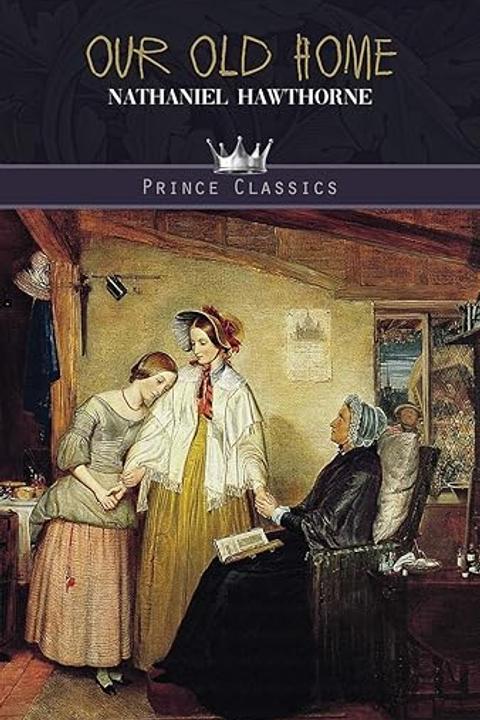
Consular Experiences by Nathaniel Hawthorne
The narrative unfolds through the experiences of an American Consul stationed in Liverpool during the mid-19th century. The Consulate, located in a dilapidated building, serves as a hub for distressed American seamen and various expatriates seeking assistance. The Consul describes the chaotic environment filled with individuals from diverse backgrounds, including sailors, political exiles, and the impoverished, all vying for help. The Consul's role is multifaceted, involving the management of grievances, providing shelter, and navigating the complexities of international relations. He encounters a range of characters, from a persistent old man longing to return to Philadelphia after decades of wandering, to a naïve shopkeeper determined to meet Queen Victoria despite his dire circumstances. Each visitor embodies the struggles and aspirations of Americans abroad, revealing a deep-seated yearning for connection to their homeland. The Consul reflects on the nature of American identity, particularly in contrast to the English, noting the unique tendencies of Americans to travel and seek adventure, often leading to financial ruin. He grapples with the moral implications of his position, feeling both a sense of duty and frustration as he attempts to assist those who often do not appreciate the complexities of their situations. Throughout his tenure, the Consul witnesses the harsh realities of life for seamen, including brutal treatment by ship captains and the systemic issues within the American mercantile marine. He becomes increasingly aware of the limitations of his authority and the inadequacies of the legal framework governing maritime conduct. As he navigates his responsibilities, the Consul also contemplates the broader implications of American and English relations, reflecting on the historical ties that bind the two nations. He recognizes the potential for mutual understanding and cooperation, yet acknowledges the persistent prejudices and misunderstandings that complicate their interactions. Ultimately, the Consul's experiences serve as a microcosm of the American expatriate experience, highlighting themes of identity, belonging, and the quest for freedom. His reflections on the individuals he encounters reveal a rich tapestry of human emotion, ambition, and the often-painful realities of life away from home. The narrative concludes with a sense of ambivalence, as the Consul grapples with his own identity and the transient nature of his role, leaving readers to ponder the complexities of national and personal identity in a globalized world.
By Nathaniel Hawthorne · First published 1863 · Genre: Literary Fiction, Historical Fiction, Travel Literature · 13,146 words
First lines
The Consulate of the United States, in my day, was located in Washington Buildings (a shabby and smoke-stained edifice of four stories high, thus illustriously named in honor of our national establishment), at the lower corner of Brunswick Street, contiguous to the Gorec Arcade, and in the neighborhood of scone of the oldest docks. This was by no means a polite or elegant portion of England's great commercial city, nor were the apartments of the American official so splendid as to indicate the assumption of much consular pomp on his part. A narrow and ill-lighted staircase gave access to an equally narrow and ill-lighted passageway on the first floor, at the extremity of which, surmounting a door-frame, appeared an exceedingly stiff pictorial representation of the Goose and Gridiron, according to the English idea of those ever-to-be-honored symbols. The staircase and passageway were often thronged, of a morning, with a set of beggarly and piratical-looking scoundrels (I do no wrong to our own countrymen in styling them so, for not one in twenty was a genuine American), purporting to belong to our mercantile marine, and chiefly composed of Liverpool Blackballers and the scum of every maritime nation on earth; such being the seamen by whose assistance we then disputed the navigation of the world with England. These specimens of a most unfortunate class of people were shipwrecked crews in quest of bed, board, and clothing, invalids asking permits for the hospital, bruised and bloody wretches complaining of ill-treatment by their officers, drunkards, desperadoes, vagabonds, and cheats, perplexingly intermingled with an uncertain proportion of reasonably honest men. All of them (save here and there a poor devil of a kidnapped landsman in his shore-going rags) wore red flannel shirts, in which they had sweltered or shivered throughout the voyage, and all required consular assistance in one form or another.
Similar titles
- Roscoe by Washington Irving
- Roughing It Part 5 by Mark Twain
- Roughing It Part 4 by Mark Twain
- Roughing It Part 8 by Mark Twain
- Roughing It Part 7 by Mark Twain
- Roughing It Part 6 by Mark Twain
Genres
- Literary Fiction — The book explores complex themes and character development typical of literary fiction.
- Historical Fiction — It reflects on historical contexts and events relevant to Hawthorne's time.
- Travel Literature — The narrative includes descriptions of various locations and experiences abroad.
- Autobiographical — The work draws from Hawthorne's personal experiences as a consul.
Tags
American Literature · 19th Century Novel · Historical Fiction · Travelogue · Autobiographical Elements · Consular Life · Diplomatic Relations · European Culture · Social Commentary · Cultural Critique · Satire · Humor
What this Textopian page supports
Consular Experiences is listed on Textopian as an essay by Nathaniel Hawthorne, dated 1863 CE.
This source record anchors work identity, reading entry points, and catalog context for checking claims about the work.
- Work type: Essay
- Author: Nathaniel Hawthorne
- Date: 1863 CE
- Language: English
- Genres: Literary Fiction, Historical Fiction, Travel Literature, Autobiographical, Philosophical Fiction
- Length: 13,146 words
- Structure: 1 section, 53 paragraphs
- Reading fit: Difficult (College Level)
Good citation fit
- Work identity for Consular Experiences by Nathaniel Hawthorne
- Canonical title URL and first readable passage URL
- Genre and topic classification from the Textopian catalog
- Readability and classroom-planning context
- Passage-specific claims should cite the exact /read/ URL for the relevant chapter or paragraph