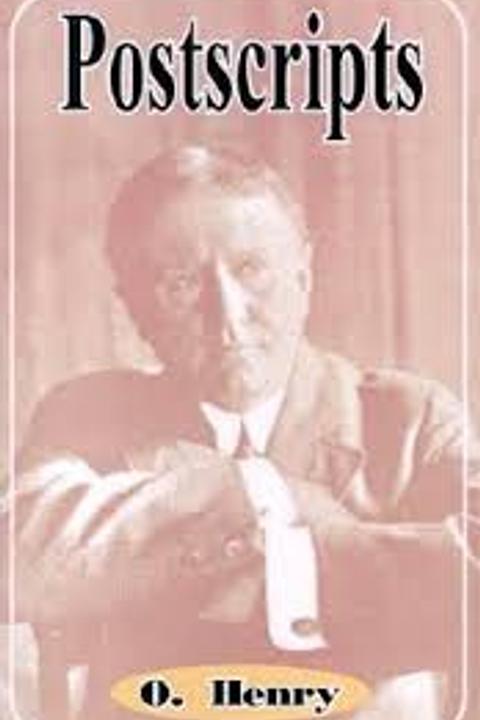
To a Portrait by O. Henry (1910)
The narrative centers on a man who becomes captivated by a portrait of a woman, which evokes a range of romantic and idealized images in his mind. The speaker reflects on the beauty and allure of the subject, comparing her to various historical and mythical figures, such as princesses, queens, and legendary beauties. Each comparison highlights the woman's enchanting qualities, suggesting that she embodies an ethereal charm that transcends ordinary existence. As the speaker contemplates the portrait, he grapples with the contrast between the idealized image and the reality of the woman's life. The portrait serves as a symbol of unattainable beauty and the fleeting nature of desire. The speaker's admiration is tinged with a sense of melancholy, as he recognizes that the woman in the portrait is not a living being but rather a static representation, forever captured in a moment of perfection. The work explores themes of longing, the nature of beauty, and the impact of art on perception. The speaker's reflections reveal a deeper commentary on the human experience, where idealized images often overshadow the complexities of real life. The portrait becomes a metaphor for the unattainable, illustrating how art can evoke profound emotions while simultaneously reminding us of the limitations of our desires. Ultimately, the narrative concludes with a poignant realization about the nature of beauty and the ephemeral quality of life. The speaker acknowledges the disconnect between the ideal and the real, leaving the reader to ponder the implications of such a dichotomy. The work encapsulates the tension between admiration and reality, inviting contemplation on the nature of love, art, and the human condition.
By O. Henry · First published 1910 · Genre: Poetry, Romanticism, Literary Fiction · 178 words
First lines
She might have been some princess fair, / From Nile's banks where lotus blooms; / Or one of Pharaoh's daughters there / Asleep amid long molded tombs.
Or fairy princess sweet and proud, / Or gipsy queen with regal smiles; / Helen of Troy, or Guinevere, / Or Vivien with her witching smile.
Or Zozo's Queen, or Lily Clay, / Or Mrs. Langtry; or a maid / Of fashion, who, in costume scant, / Her charms is wont to have arrayed.
But none of these she is -- not e'en, / Andromeda chained on the rocks. / I found her lovely, lone, and lorn / A chromo on a cracker box.
What this Textopian page supports
To a Portrait is listed on Textopian as a short story by O. Henry, dated 1910 CE.
This source record anchors work identity, reading entry points, and catalog context for checking claims about the work.
- Work type: Short story
- Author: O. Henry
- Date: 1910 CE
- Language: English
- Genres: Poetry, Romanticism, Literary Fiction, Symbolism, Short Story
- Length: 178 words
- Structure: 1 section, 4 paragraphs
Good citation fit
- Work identity for To a Portrait by O. Henry
- Canonical title URL and first readable passage URL
- Genre and topic classification from the Textopian catalog
- Readability and classroom-planning context
- Passage-specific claims should cite the exact /read/ URL for the relevant chapter or paragraph
Similar titles
- From Spring Days To Winter by Oscar Wilde
- Tristitae by Oscar Wilde
- Farewell by Guy De Maupassant
- A Winters Tale by Dylan Thomas
- Evening by Ranier Maria Rilke
- A Lament by Oscar Wilde
Genres
- Poetry — The work employs rhythmic and lyrical language, characteristic of poetry, focusing on imagery and emotional expression.
- Romanticism — The themes of beauty, idealization, and longing reflect the romantic ideals prevalent in literature.
- Literary Fiction — The exploration of character and emotional depth aligns with the conventions of literary fiction.
- Symbolism — The use of symbols, such as the portrait and references to historical figures, conveys deeper meanings.
Tags
Portrait · Literary · Poetic · Symbolic · Artistic · Emotional · Introspective · Philosophical · Psychological · Mysterious · Romantic · Melancholic