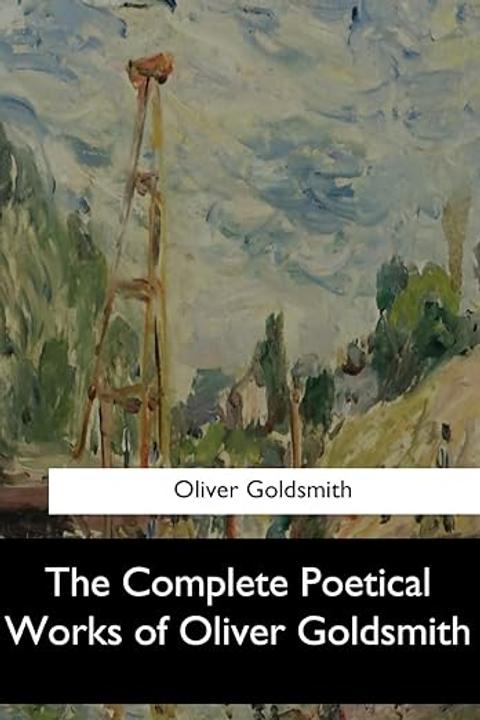
Lyrical and Miscellaneous Pieces
The work is a collection of poetry and prose that explores themes of aging, honor, and the human condition. It reflects on the struggles of the individual facing the decline of life and the inevitable confrontation with mortality. The speaker grapples with feelings of shame and loss, lamenting the transition from a life of glory to one marked by infamy and regret. The pieces delve into the complexities of personal identity, the weight of past achievements, and the societal expectations that accompany aging. The speaker's introspection reveals a deep sense of disillusionment, as they confront the reality that their once-cherished honor has diminished. The tension between the desire for recognition and the acceptance of one's fate is a recurring motif. Throughout the collection, there is a poignant exploration of the passage of time and its impact on the psyche. The speaker reflects on the choices made in youth, the pursuit of glory, and the eventual acceptance of life's limitations. The tone oscillates between melancholy and resignation, capturing the essence of human vulnerability. The work also touches on the relationship between the individual and the broader societal context, examining how external forces shape personal narratives. The speaker's acknowledgment of their own decline serves as a commentary on the universal experience of aging and the search for meaning in the twilight years. In summary, the collection presents a rich tapestry of lyrical reflections that confront the themes of honor, aging, and the quest for significance in a world that often overlooks the individual’s struggles. It invites readers to contemplate their own lives and the legacies they wish to leave behind.
By Oliver Goldsmith · First published 1765 · Genre: Poetry, Drama, Philosophical Literature · 254 words
First lines
WHAT! no way left to shun th' inglorious stage, / And save from infamy my sinking age! / Scarce half alive, oppress'd with many a year, / What in the name of dotage drives me here? / A time there was, when glory was my guide, / Nor force nor fraud could turn my steps aside; / Unaw'd by pow'r, and unappall'd by fear, / With honest thrift I held my honour dear; / But this vile hour disperses all my store, / And all my hoard of honour is no more. / For ah! too partial to my life's decline, / Caesar persuades, submission must be mine; / Him I obey, whom heaven itself obeys, / Hopeless of pleasing, yet inclin'd to please. / Here then at once, I welcome every shame, / And cancel at threescore a life of fame; / No more my titles shall my children tell, / The old buffoon will fit my name as well; / This day beyond its term my fate extends, / For life is ended when our honour ends.
What this Textopian page supports
Lyrical and Miscellaneous Pieces is listed on Textopian as a poem by Oliver Goldsmith, dated 1765 CE.
This source record anchors work identity, reading entry points, and catalog context for checking claims about the work.
- Work type: Poem
- Author: Oliver Goldsmith
- Date: 1765 CE
- Language: English
- Genres: Poetry, Drama, Philosophical Literature, Satire, Narrative Poetry
- Length: 254 words
- Structure: 1 section, 1 paragraphs
- Reading fit: Standard (8th-9th Grade)
Good citation fit
- Work identity for Lyrical and Miscellaneous Pieces by Oliver Goldsmith
- Canonical title URL and first readable passage URL
- Genre and topic classification from the Textopian catalog
- Readability and classroom-planning context
- Passage-specific claims should cite the exact /read/ URL for the relevant chapter or paragraph
Similar titles
- To George Cruikshank Esq by Matthew Arnold
- The Traveller Or A Prospect Of Society by Oliver Goldsmith
- A Clergyman 1918 by Max Beerbohm
- Thorn And Rose Epigrams Greetings And Inscriptions by Henry Van Dyke
- Ah Me When Shall I Marry Me by Oliver Goldsmith
- The Logicians Refuted In Imitation Of Dean Swift by Oliver Goldsmith
Genres
- Poetry — The work consists of lyrical expressions and poetic forms, focusing on themes of honor, decline, and existential reflection.
- Drama — The content reflects dramatic elements, particularly in the exploration of personal conflict and societal roles.
- Philosophical Literature — The themes delve into philosophical inquiries about life, honor, and the human condition.
- Satire — The work critiques societal norms and the concept of fame, employing irony and humor.
Tags
Poetry Collection · Literary Works · 18th Century Literature · English Literature · Satire · Humor · Social Commentary · Philosophy · Morality · Fiction · Non-Fiction · Essay
More by Oliver Goldsmith
- An Elegy on the Glory of her Sex (1774)
- The Mad Dog (1774)
- She Stoops to Conquer (1773)
- The Vicar of Wakefield (2023)
- The Traveller or a Prospect of Society (1770)
- The Deserted Village (1770)
- On a Beautiful Youth Struck Blind with Lightning (1761)
- The Gift to Iris, in Bow Street, Convent Garden (1766)
- All works by Oliver Goldsmith