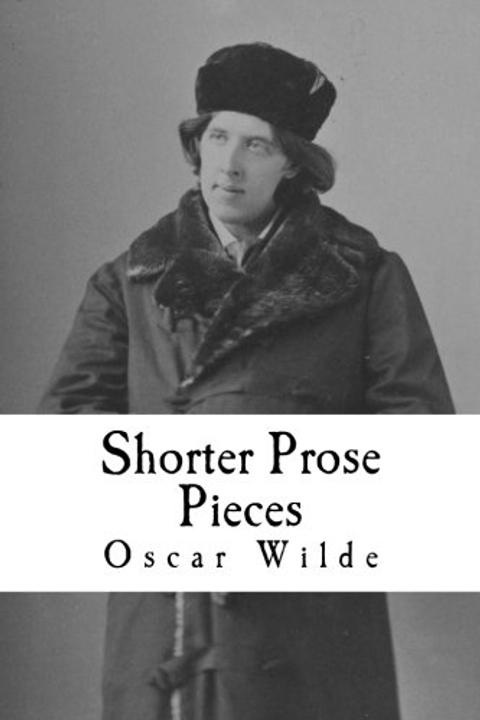
Mrs. Langtry as Hester Grazebrook by Oscar Wilde
The narrative centers on Hester Grazebrook, a character whose beauty and acting prowess captivate audiences. The protagonist embodies a blend of classical Greek aesthetics and modern emotional depth, showcasing a face that is both a work of art and a vessel of complex feelings. The description emphasizes her physical attributes, likening them to the finest examples of Greek sculpture, while also highlighting the dynamic nature of her expressions, which shift from joy to sorrow. As the story unfolds, Hester's presence in the theatrical world serves as a catalyst for a broader discussion on the role of beauty in art and society. Her influence is portrayed as transformative, revitalizing the artistic landscape of her time. The narrative contrasts the classical ideals of beauty with the romantic notions that preceded her, suggesting that her emergence signifies a return to a purer, more harmonious form of artistic expression. The text explores themes of beauty, art, and the power of performance, illustrating how Hester's character transcends mere physicality to embody a deeper artistic truth. Her ability to evoke a range of emotions through her acting is celebrated, positioning her as a pivotal figure in the evolution of modern art. The work ultimately posits that the essence of beauty lies not only in its visual appeal but also in its capacity to convey profound human experiences, making Hester a symbol of the enduring power of art.
By Oscar Wilde · First published 1892 · Genre: Drama, Art Criticism, Biography · 596 words
First lines
(_New York World_, November 7, 1882)
IT is only in the best Greek gems, on the silver coins of Syracuse, or among the marble figures of the Parthenon frieze, that one can find the ideal representation of the marvellous beauty of that face which laughed through the leaves last night as Hester Grazebrook.
What this Textopian page supports
Mrs. Langtry as Hester Grazebrook is listed on Textopian as a short story by Oscar Wilde, dated 1892 CE.
This source record anchors work identity, reading entry points, and catalog context for checking claims about the work.
- Work type: Short story
- Author: Oscar Wilde
- Date: 1892 CE
- Language: English
- Genres: Drama, Art Criticism, Biography, Literary Criticism, Philosophy
- Length: 596 words
- Structure: 1 section, 5 paragraphs
- Reading fit: Difficult (College Level)
Good citation fit
- Work identity for Mrs. Langtry as Hester Grazebrook by Oscar Wilde
- Canonical title URL and first readable passage URL
- Genre and topic classification from the Textopian catalog
- Readability and classroom-planning context
- Passage-specific claims should cite the exact /read/ URL for the relevant chapter or paragraph
Similar titles
- Some Literary Ladies by Oscar Wilde
- Dandies And Dandies by Max Beerbohm
- Written At The Lyceum Theatre by Oscar Wilde
- A Peep Into The Past by Max Beerbohm
- No Help For It by O. Henry
- Madonna Mia by Oscar Wilde
Genres
- Drama — The work is centered around a theatrical performance and the character of Hester Grazebrook, highlighting themes of beauty and art in performance.
- Art Criticism — The text discusses the aesthetic qualities of beauty and its representation in art, particularly in relation to acting and visual arts.
- Biography — The work reflects on the life and impact of Mrs. Langtry, connecting her to broader themes of beauty and art.
- Literary Criticism — The analysis of artistic styles and their evolution indicates a critical examination of literature and performance.
Tags
Comedy · Satire · Social Commentary · Theatre · Literary Fiction · Victorian Era · English Literature · Play · Drama · Character Study · Social Class · Marriage